
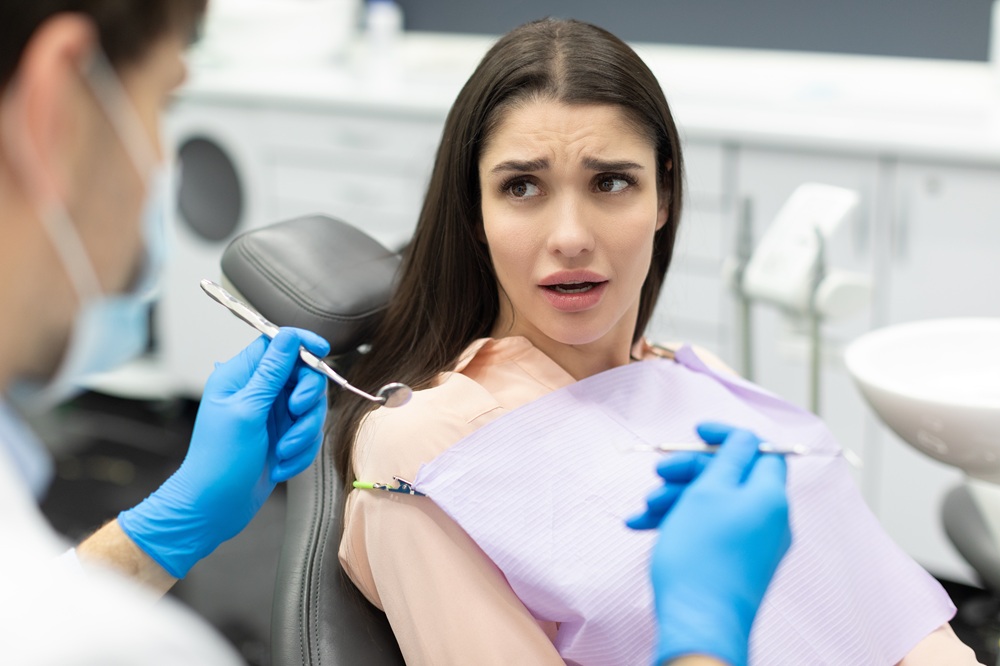
You Keep Putting Off the Dentist—And You’re Not Sure Why
Maybe you’ve driven past your dental office on Virginia Beach Boulevard or postponed an appointment in Chesapeake more than once. You tell yourself you’re busy, but something deeper is holding you back. For many people across the Tidewater Virginia area—from Norfolk’s Ghent neighborhood to families near Kempsville or along I-64—that hesitation is rooted in anxiety or a persistent fear of the dentist that quietly builds over time.
The experience often begins subtly. A few days before an appointment, you may feel restless or distracted. As the date approaches, that unease can intensify into physical tension or difficulty sleeping. This pattern is common among individuals experiencing dental phobia, even if they have not had a negative medical experience in the past. The anticipation itself can feel overwhelming, especially when the environment feels clinical or unfamiliar.
Across Virginia Beach, Suffolk, and Hampton, patients frequently delay visits because of embarrassment about oral health, concern about discomfort, or uncertainty about what a procedure involves. That uncertainty fuels fear of the dentist, reinforcing avoidance and making each postponed visit feel harder to reschedule. Over time, untreated concerns may progress, which can increase both physical symptoms and emotional stress connected to dental anxiety.
Often, it is the unknown that creates the strongest reaction. Not knowing what to expect during treatment or how sensations will feel can heighten dental phobia in ways similar to other medical avoidance patterns. At The Foleck Center, patients throughout the Tidewater region are met with clear explanations, compassionate care, and a calm setting designed to reduce anxiety from the moment they arrive. Recognizing that fear of the dentist is common—and manageable—is the first step toward regaining confidence in your dental health.
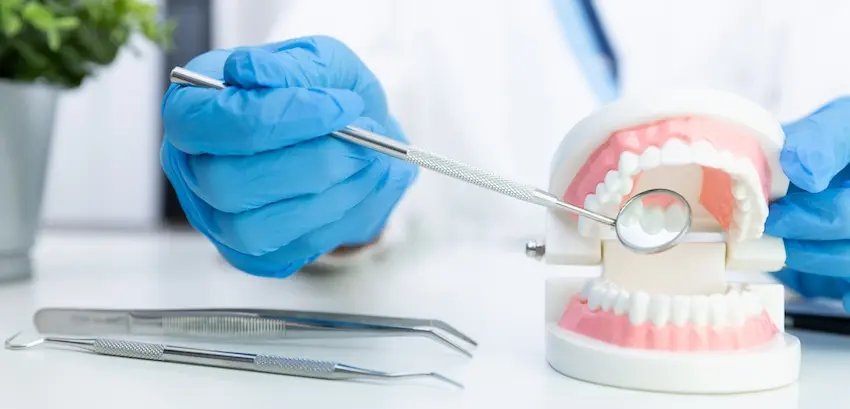
Dental Fear Is More Common Than You Think
Avoiding the dentist can feel isolating, but it is far more common than many people realize. Millions of adults report some level of dental anxiety, and a significant number experience a more intense fear of the dentist that affects how often they seek care. At The Foleck Center, patients are reminded every day that these feelings are valid, manageable, and nothing to be embarrassed about.
Many Adults Quietly Struggle With Appointment Anxiety
Research consistently shows that a large percentage of adults delay cleanings or restorative treatment because of nervousness tied to prior experiences, sensitivity, or uncertainty about procedures. For some, this hesitation reflects mild unease; for others, it signals a deeper dental phobia. Even individuals who regularly attend other medical appointments may still feel heightened stress when it comes to oral health visits.
This reaction is not a character flaw—it is a learned response. Past pain/discomfort, negative memories, or even stories from others can shape how the brain anticipates treatment.
There Is a Difference Between Nervousness and Dental Phobia
Feeling slightly uneasy before a procedure is normal. True dental phobia, however, tends to involve intense avoidance, sleep disruption before appointments, or physical symptoms such as nausea or rapid heartbeat. While general dental anxiety may ease once a patient is seated and informed, phobic reactions often require a more structured, compassionate approach. Understanding this distinction matters because treatment strategies differ. What helps mild nervousness may not fully address a deeper fear of the dentist, and recognizing that difference is the first step toward positive change.
Embarrassment Often Keeps People From Speaking Up
One of the most powerful drivers of avoidance is shame. Many adults feel uncomfortable admitting their anxiety, especially if it has delayed care for years. That silence can reinforce dental anxiety, making future visits feel even more overwhelming. In reality, concerns about treatment are as legitimate as any other medical worry.
Past Experiences Could Be Shaping How You Feel Today
For many adults, today’s hesitation about scheduling a cleaning or procedure is rooted in something that happened years ago. A difficult appointment in childhood, unexpected discomfort during treatment, or even a rushed interaction can leave a lasting impression. Over time, those memories can evolve into dental anxiety or a persistent fear of the dentist, even when current technology and care standards are very different. At The Foleck Center, understanding that history is the first step toward changing the experience.
Childhood moments tend to shape expectations in powerful ways. If early visits felt overwhelming or painful, the brain may associate dental care with threat rather than health. This learned response can resemble other medical avoidance patterns, where past discomfort influences present decisions. In some cases, repeated avoidance gradually develops into dental phobia, making it increasingly difficult to return for routine care.
Concerns about pain, vulnerability, or judgment also play a significant role. Sitting in a treatment chair requires trust and a sense of control. When that control feels uncertain, even minor procedures can heighten dental anxiety. Worry about being criticized for the condition of one’s teeth may further reinforce the fear of the dentist, especially after a long gap in care.
Sensory triggers add another layer. The sound of instruments, the scent of antiseptic, or the brightness of overhead lights can intensify physical stress responses. These reactions are not unusual; they are neurological associations formed over time. Recognizing these triggers helps separate past experiences from present reality. At The Foleck Center, patient comfort, clear communication, and a supportive environment are designed to reduce anxiety at its source, helping individuals move beyond earlier experiences and approach care with renewed confidence.
Putting Off Care Today Can Make Tomorrow Harder
It’s understandable to postpone an appointment when dental anxiety or a lingering fear of the dentist feels overwhelming. In the short term, avoiding treatment may bring relief. Over time, however, delaying routine care can allow minor concerns to grow into more complex problems. At The Foleck Center, patients are supported with a compassionate approach designed to prevent small issues from becoming larger, more stressful experiences.
Early-stage concerns—such as minor decay or gum inflammation—are often simple to address. When appointments are delayed, those same conditions may progress, potentially requiring more extensive restorative procedures. For individuals experiencing dental phobia, the thought of a longer or more involved visit can reinforce avoidance, creating a cycle that increases overall stress.
Discomfort can also intensify when treatment is postponed. Sensitivity that might have been manageable during a routine cleaning can develop into persistent pain if underlying issues advance. This progression mirrors patterns seen in other medical situations, where preventive care reduces both risk and anxiety. By addressing problems early, patients often find that procedures are shorter, less invasive, and easier to tolerate.
Perhaps most importantly, delaying care tends to amplify emotional strain. The longer a visit is postponed, the more uncertainty builds. That uncertainty can heighten dental anxiety and deepen the fear of the dentist, making the eventual appointment feel more intimidating than it needs to be. Breaking the cycle with proactive, supportive treatment can significantly reduce both physical and emotional burdens.

Modern Dentistry Offers a More Comfortable Experience Than You Expect
If past appointments have shaped your fear of the dentist, it may help to know how much dentistry has evolved. Many people who struggle with dental anxiety are reacting to memories from years ago—before today’s technology, communication standards, and comfort-focused techniques became common practice. At The Foleck Center, the goal is to replace outdated expectations with a supportive, patient-centered experience.
Advancements in equipment and treatment methods have significantly improved comfort and precision. For individuals managing dental phobia, these improvements can make a meaningful difference in how care feels from start to finish.
Modern comfort-focused dentistry often includes:
- Digital imaging that reduces exposure time and increases diagnostic accuracy
- Minimally invasive techniques designed to preserve healthy tooth structure
- Improved local anesthetics and numbing methods for more predictable comfort
- Clear, step-by-step explanations before and during treatment
- Options that support relaxation for patients with elevated dental anxiety
Beyond technology, the approach to care has shifted. Today’s dental teams prioritize communication, pacing, and emotional awareness in ways that mirror other patient-centered medical environments. That means listening first, adjusting when needed, and ensuring you understand what to expect before any procedure begins.
For many patients, the biggest difference is feeling heard. When concerns about discomfort or embarrassment are acknowledged openly, fear of the dentist often becomes more manageable. What once felt overwhelming can become structured, predictable, and far less intimidating.
Support and Solutions Exist to Help You Feel at Ease
Living with dental anxiety or a lingering fear of the dentist does not mean you have to avoid care indefinitely. Modern practices recognize that emotional comfort is just as important as clinical precision. At The Foleck Center, patients are encouraged to explore practical strategies that reduce stress and rebuild confidence in a supportive setting.
Honest Conversations Make a Difference
Relief often begins with a simple conversation. Sharing past experiences, sensory triggers, or concerns about discomfort allows the dental team to adjust communication and pacing. Many individuals dealing with dental phobia report that feeling heard significantly reduces tension before treatment even begins. Clear explanations, predictable steps, and the ability to ask questions can transform what once felt overwhelming into a structured, manageable experience.
Open dialogue also helps align expectations. When patients understand what will happen during a procedure—and why—it mirrors the transparency found in other patient-centered medical environments, helping normalize the visit rather than intensify it.
Relaxation and Sedation Options Provide Added Comfort
For some, reassurance alone is not enough. In these cases, relaxation techniques or sedation options may be appropriate. Depending on the situation, approaches may include guided breathing, calming aids, or clinically supervised sedation designed to ease heightened dental anxiety. These tools are especially helpful for individuals whose fear of the dentist has previously prevented them from scheduling care. Every recommendation is tailored to personal comfort levels and health history, ensuring safety remains the priority while addressing emotional well-being.
No two patients experience anxiety the same way. That is why creating a step-by-step care plan can be empowering. Breaking treatment into smaller phases, scheduling shorter visits, or beginning with a non-invasive consultation can gradually reduce dental phobia over time.
Taking the First Step Forward Can Feel Like the Hardest Part
For many individuals living with dental anxiety or a long-standing fear of the dentist, the most difficult moment is not sitting in the chair—it is making the appointment. Avoidance can build over time, especially when past experiences or uncertainty create hesitation. At The Foleck Center, the goal is to make that first step feel approachable, supportive, and entirely at your pace.
Beginning with a consultation instead of treatment can significantly reduce pressure. A simple visit to talk, ask questions, and understand your oral health status allows you to become familiar with the environment before committing to any procedures. For those managing dental phobia, this approach helps separate memories from present care and creates space for clarity rather than stress. Like other patient-centered medical settings, transparency and education replace uncertainty.
Asking questions before agreeing to treatment is another powerful step. Understanding how comfort is prioritized, what options exist, and how procedures are structured can reduce the unknown factors that fuel fear of the dentist. Open communication often lessens dental anxiety because predictability builds confidence. When you know what to expect, the experience becomes more structured and far less intimidating.
Support and Understanding Make Overcoming Dental Fear Possible
Living with dental anxiety or a persistent fear of the dentist can feel isolating, especially if appointments have been postponed for years. At The Foleck Center, the approach begins with empathy. Rather than focusing only on clinical findings, the team prioritizes how you feel walking through the door. Recognizing that dental phobia is common allows care to begin from a place of understanding instead of judgment.
A compassionate, judgment-free atmosphere can immediately lower stress levels. Patients are encouraged to speak openly about past experiences, discomfort, or embarrassment without fear of criticism. This transparency helps reduce dental anxiety because concerns are addressed directly rather than dismissed. Much like other supportive medical environments, respect and clear communication form the foundation of trust.
Comfort strategies are never one-size-fits-all. Some patients benefit from detailed explanations before each step, while others prefer shorter appointments or scheduled breaks during treatment. For individuals managing fear of the dentist, having options restores a sense of control. Personalized pacing, calming techniques, and structured treatment plans are designed to reduce tension while still maintaining high clinical standards.
Ongoing support matters just as much as the first visit. Building confidence is a gradual process, particularly for those with long-standing dental phobias. Follow-up conversations, consistent communication, and preventive-focused care reinforce positive experiences over time. As comfort increases, dental anxiety often decreases naturally.
A Healthy Smile Shouldn’t Be Limited by Fear
Putting off care because of dental anxiety or a lingering fear of the dentist can quietly affect more than just your teeth. Across the Tidewater Virginia area—from Virginia Beach and Chesapeake to Norfolk and Suffolk—oral health plays an important role in daily comfort, confidence, and long-term wellness. At The Foleck Center, patients are reminded that protecting their smile also supports overall medical well-being.
Healthy teeth and gums contribute to easier eating, clearer speech, and reduced inflammation throughout the body. Preventive care helps identify concerns early, minimizing the need for complex procedures later. When dental phobia leads to postponing visits, small issues can gradually become larger ones. Addressing those concerns in a calm, supportive environment allows you to protect both your oral health and your peace of mind.
Many patients feel genuine relief once they address their fear of the dentist directly. What once felt overwhelming often becomes manageable through clear communication and personalized care. As uncertainty fades, dental anxiety frequently decreases, making future appointments easier and more predictable.
If you live anywhere in the Tidewater region and have been delaying care, now is the time to take the first step. Contact The Foleck Center today to schedule a consultation. Whether you’re managing long-standing dental phobia or mild appointment stress, compassionate support is available to help you move forward with confidence and achieve a healthy smile—without fear holding you back.