

Gum Disease in Hampton Roads
Periodontal Disease
Gum disease, formally known as periodontal disease, is a bacterial infection of the gum tissue and the bone structures that support the teeth, ranging in severity from mild inflammation to deep tissue damage capable of causing tooth loss. The condition is caused by plaque buildup along the gum line, which triggers an inflammatory response that, without intervention, can progressively erode both soft tissue and bone. Early detection through routine dental care remains the most reliable path to reversing or managing the disease before permanent damage occurs.
Fight Gum Disease at The Foleck Center
Our experienced team of dental professionals in Southeast Virginia is dedicated to helping patients achieve healthy gums and maintain optimal dental health. The best way to do that is through educating our patients on common dental ailments and their prevention. Gum disease in Hampton Roads is a common condition that can lead to serious oral health problems if left untreated.
From non-surgical treatments to periodontal surgery, our Hampton Roads dentists customize their approach to each patient’s unique needs and goals. We’re committed to providing exceptional care and helping patients achieve a healthy, confident smile no matter what oral problems they may be facing.
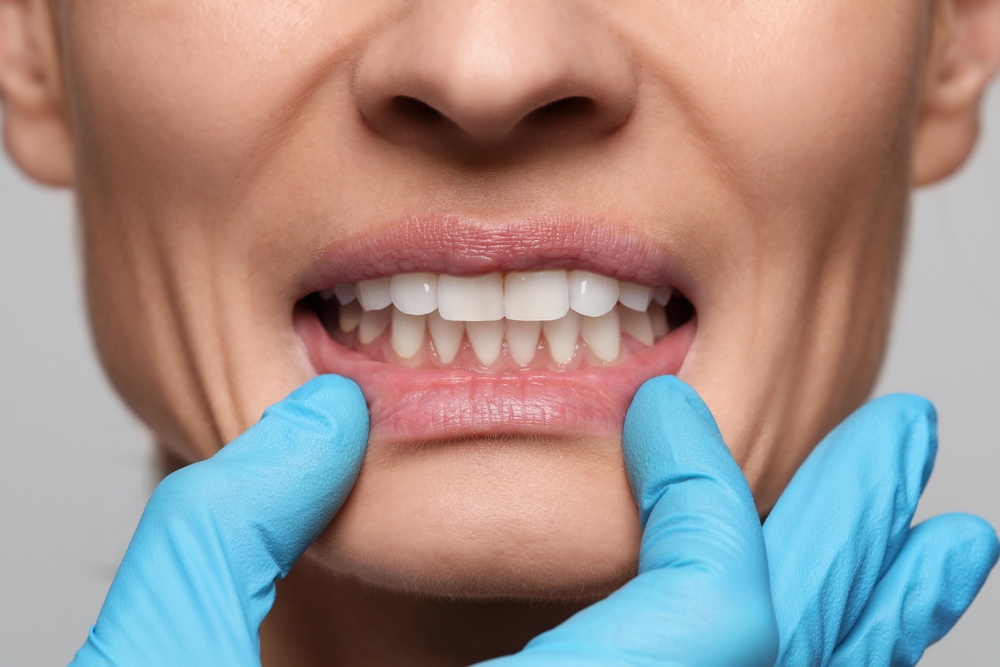
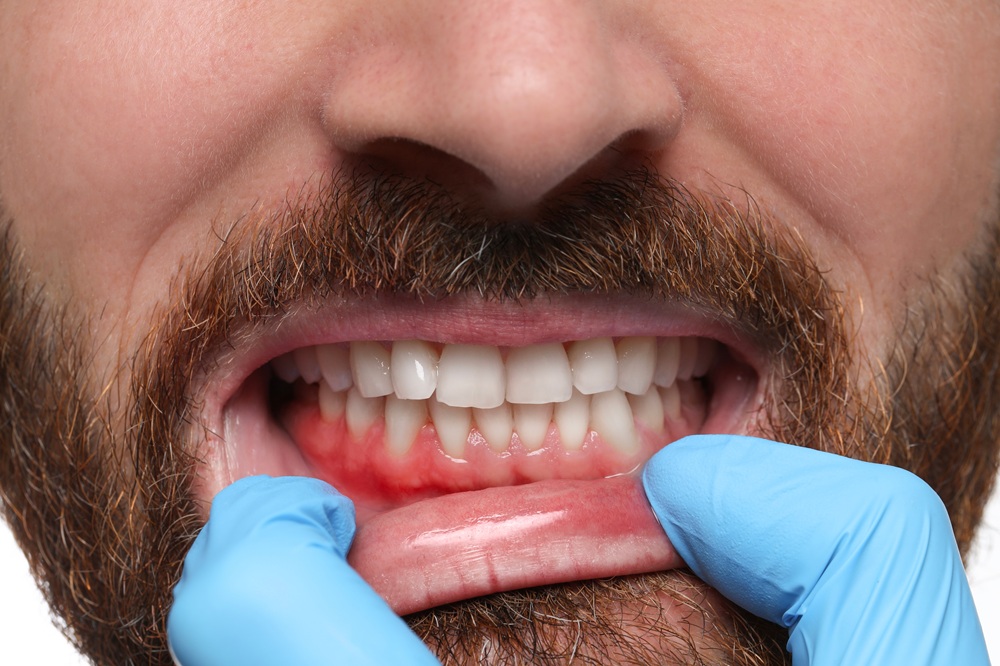
What is gum disease?
Gum Disease, or Periodontal Disease, Affects the Gums and Surrounding Tissues of the Teeth
Gum disease, or periodontal disease, affects the gums and surrounding tissues of the teeth. It’s caused by bacterial buildup and plaque on the teeth, which can lead to inflammation, swelling, and infection. If left untreated, gum disease can cause damage to the teeth and gums, leading to tooth loss and other health complications.
Periodontal disease progression is influenced by various factors, including:
- Poor oral hygiene
- Smoking
- Genetic predisposition
- Hormonal changes
- Certain medications
- Systemic diseases like diabetes
Regular dental checkups and professional cleanings are crucial to detect and treat gum disease at its early stages.
How Periodontal Disease Is Clinically Classified
Each stage of periodontal disease requires different levels of treatment. It’s important to address the condition as early as possible to prevent further damage.
Gingivitis
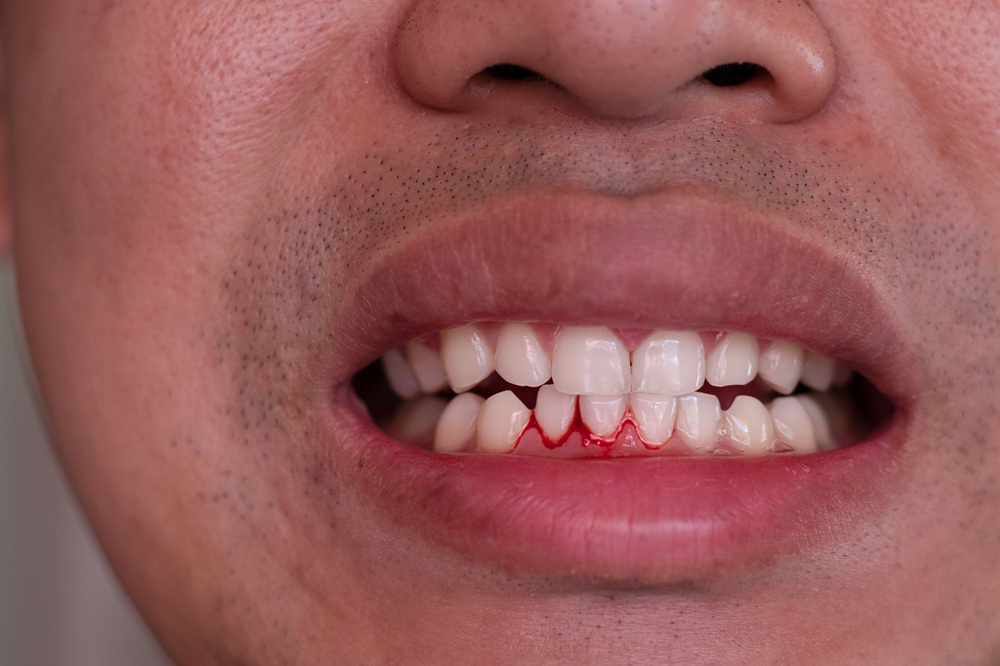
Gingivitis is the earliest stage of periodontal disease and is characterized by inflammation and swelling of the gums. Symptoms of gingivitis include redness, bleeding, and tenderness of the gums. Our dentists can treat gingivitis through dental cleanings and by encouraging patients to maintain good oral hygiene habits at home.
Periodontitis
Early Periodontitis is the second stage of periodontal disease and occurs when inflammation and infection spread from the gums to the surrounding tissues and bone. Symptoms of periodontitis include receding gums, deep pockets between the teeth and gums, and bone loss. Treatment for periodontitis may include scaling and root planing, antibiotics, and surgery.
Advanced Periodontitis
Advanced periodontitis is the most severe stage of gum disease and occurs when the infection has spread deep into the tissues and bone. Symptoms of advanced periodontitis include severe bone loss, tooth loss, and gum recession. Treatment for advanced periodontitis may include gum grafting, bone grafting, and tooth extraction.
Symptoms of Periodontal Disease
While it’s possible to have periodontal disease and not be aware, there are certain symptoms you may experience:
- Bleeding gums
- Red, tender, swollen gums
- Gums that have pulled away from teeth, (gum recession)
- Persistent bad breath or a bad taste in the mouth
- Pus between your teeth and gums
- Separating or loose teeth
- Any change in the way your teeth fit together when you bite
- Any change in the fit of partial dentures
Contact our Hampton Roads dentists for an appointment if you’re experiencing any symptoms of gum disease. By catching the disease early on, you’ll avoid the development of permanent complications, such as tooth loss.
Understanding Periodontal Grade: How Fast Is the Disease Progressing?
Staging tells a clinician how much damage has occurred; grading tells them how quickly it is happening and what risk factors are driving it. The AAP’s staging and grading framework states that “grading aims to indicate the rate of periodontitis progression, responsiveness to standard therapy, and potential impact on systemic health,” and that clinicians should initially assume Grade B disease and look for specific evidence to shift toward Grade A or Grade C.
- Grade A: Slow Progression: Minimal risk factors present; favorable response to treatment is expected.
- Grade B: Moderate Progression: Moderate risk profile; treatment response is generally predictable.
- Grade C: Rapid Progression:High-risk profile, often associated with heavy smoking, poorly controlled diabetes, or other significant systemic factors; less predictable treatment outcomes.

Periodontal Disease Affects More Adults Than Most Realize
The CDC Division of Oral Health reports that nearly half of all adults aged 30 and older in the United States have some form of periodontitis, with severe periodontitis affecting approximately 8% of adults. These numbers make periodontal disease one of the most common chronic conditions in U.S. adults, and one that most people can address when caught early.
When should you see a dentist for periodontal disease?
The American Dental Association advises on MouthHealthy.org that “there is no one-size-fits-all dental treatment. Some people need to visit the dentist once or twice a year; others may need more visits.” For patients experiencing bleeding gums, gum recession, persistent bad breath, or loose teeth, a professional evaluation, rather than a watchful wait, is the appropriate next step.
Preventing Periodontal Disease: Hygiene and Home Care
Good oral hygiene is the primary line of defense against periodontal disease. Both the CDC and the American Dental Association recommend brushing twice daily with fluoride toothpaste, flossing daily to clear plaque from between teeth, and scheduling regular professional cleanings. For individuals with existing risk factors, including diabetes, a family history of periodontal disease, or tobacco use, providers may recommend more frequent visits to stay ahead of the disease.
Popular Home Remedies for Gum Inflammation
Oil pulling, saltwater rinses, and turmeric-based pastes are among the most widely shared at-home practices for managing gum discomfort and inflammation. Oil pulling, which involves swishing natural oil, typically coconut or sesame, for 10 to 20 minutes, has a history rooted in traditional Ayurvedic medicine dating back over 3,000 years and has seen a significant resurgence in recent years. Proponents claim it reduces oral bacteria, addresses bad breath, and supports gum health with consistent daily use.
What Research Actually Says About DIY Periodontal Treatments
Research indicates that select at-home practices may offer supplementary benefits, but do not replace professional periodontal care. A 2024 systematic review and meta-analysis published in the International Journal of Dental Hygiene found that oil pulling showed clinically measurable improvements in gingival health scores, but noted “very low certainty in the evidence” when weighed against chlorhexidine-based mouthwashes, the established clinical standard.
A 2025 randomized controlled clinical study published in Clinical Oral Investigations similarly found that oil pulling produced statistically higher plaque reduction than a control group, while concluding that “further high-quality trials are needed to understand the mechanisms and effectiveness of oil pulling, to finally clarify the evidence.” Home care practices may support hygiene between appointments; they are not a substitute for professional diagnosis or treatment.
Meet Our Hampton Roads Dental Team
The Foleck Center is led by Dr. Adam Foleck, DMD, whose clinical background spans general dentistry, dental implants, and the bone and gingival grafting procedures central to advanced periodontal care. Dr. Foleck earned his dental degree from Temple University School of Dentistry in 1997 and completed post-graduate training in an Advanced Education in General Dentistry program at the University of Mississippi Medical Center, where he trained in implant placement, bone grafting, and full mouth rehabilitation.
He has since lectured internationally on implants and grafting, contributed a chapter to the textbook Modern Implant Dentistry, and served on committees for the American Academy of Implant Dentistry and the Academy of Osseointegration. Dr. Foleck is joined by a team of doctors committed to the same patient-first standard of care that defines The Foleck Center.


Stages of Gum Disease
Each stage of periodontal disease requires different levels of treatment. It’s important to address the condition as early as possible to prevent further damage.
1 Gingivitis
Gingivitis is the earliest stage of periodontal disease and is characterized by inflammation and swelling of the gums. Symptoms of gingivitis include redness, bleeding, and tenderness of the gums. Our dentists can treat gingivitis through dental cleanings and by encouraging patients to maintain good oral hygiene habits at home.


2 Periodontitis
Early Periodontitis is the second stage of periodontal disease and occurs when inflammation and infection spread from the gums to the surrounding tissues and bone. Symptoms of periodontitis include receding gums, deep pockets between the teeth and gums, and bone loss. Treatment for periodontitis may include scaling and root planing, antibiotics, and surgery.
3 Advanced Periodontitis
Advanced periodontitis is the most severe stage of gum disease and occurs when the infection has spread deep into the tissues and bone. Symptoms of advanced periodontitis include severe bone loss, tooth loss, and gum recession. Treatment for advanced periodontitis may include gum grafting, bone grafting, and tooth extraction.
Periodontal Disease Treatment Options
Professional Dental Cleanings
Professional dental cleanings are a simple and effective way to remove plaque buildup and bacteria from the teeth and gums. During professional teeth cleanings, a dental hygienist will use specialized tools to remove buildup from the teeth and gums, leaving them clean and healthy.
Scaling and Root Planing
Scaling and root planing is a deep cleaning procedure that removes plaque and bacteria from below the gum line. This procedure is typically used to treat periodontitis and can help prevent further damage to the teeth and gums.
Laser Periodontal Therapy
Laser periodontal therapy is a minimally invasive treatment option for periodontal disease that utilizes laser technology to remove infected tissue and promote healing. This treatment can be an effective alternative to traditional gum surgery, with less pain, swelling, and downtime.
Bone and Gum Grafting
Bone and gum grafting restores lost bone and gum tissue due to advanced periodontal disease or tooth loss. During the procedure, grafts of bone or tissue are taken from other areas of the mouth or a donor source and transplanted to the affected area to promote new tissue growth.
Antibiotics
Antibiotics can help kill the bacteria that cause gum disease and reduce inflammation and infection.
Surgery
In some cases, surgery may be necessary to treat advanced gum disease. Surgery options may include gum grafting, bone grafting, or tooth extraction.
Costs of Gum Disease Treatment
When it comes to treating gum disease, costs can range between $1,700 to $8,000, depending on the stage of the disease. The more severe the gum disease, the more expensive treatment is likely to become.
Industry Average Pricing for Periodontal Care
Scaling and root planing, the most common non-surgical treatment for periodontitis, generally averages $200 to $300 per quadrant, or $800 to $1,200 for a full-mouth procedure.
Periodontal maintenance visits following initial treatment generally run $150 to $300 every three to four months. Surgical procedures, including flap surgery and osseous surgery, range from $1,000 to $3,000 per quadrant, while gum grafting averages $600 to $1,200 per tooth. Most dental insurance plans cover 50% to 80% of periodontal treatment costs, with preventive cleanings often covered at a higher rate.
Common Dental Insurance Providers
Many dental plans offer partial or full coverage for periodontal treatment, particularly for non-surgical procedures. According to Money magazine’s Best Dental Insurance Plans guide, some of the most widely recognized dental insurance carriers in the United States generally include Delta Dental, Cigna, Humana, MetLife, Aetna, and Guardian Direct, though plan availability, coverage levels, and provider networks vary by state and individual plan type.
This list reflects nationally recognized carriers and is not a confirmed list of accepted insurance at this practice. To verify whether your current insurance or preferred payment method is accepted, speak directly with your practitioner.
Take the Next Step Toward Healthier Gums
Periodontal disease is common, progressive, and highly manageable when addressed early. The information on this page covers the clinical picture, but the clearest picture of your own gum health comes from a professional evaluation. At The Foleck Center, Dr. Adam Foleck and a team of experienced doctors are equipped to assess where you stand and put together a plan that fits your specific situation, whether that means a routine cleaning or a more involved course of treatment.
Reaching out is straightforward. Schedule a consultation online at our Hampton, Norfolk, or Virginia Beach locations. You can also follow our practice on Facebook, Instagram, TikTok, and YouTube, where we share oral health education, patient resources, and updates from the practice. However you prefer to connect, our team is ready to help you move forward.
Frequently Asked Questions
Can gum disease be prevented?
Yes, gum disease can be prevented by practicing good oral hygiene habits, such as brushing and flossing daily, using fluoride toothpaste, and visiting your dentist regularly for professional cleanings and checkups.
How do I know if I have periodontal disease?
Symptoms of periodontal disease include redness, swelling, bleeding gums, and tenderness of the soft tissue. If you‘re experiencing any of these symptoms, see your dentist for an evaluation.
Is gum disease contagious?
No, gum disease is not contagious. However, bacteria that cause periodontal disease can be spread through saliva, so it’s important to practice good oral hygiene habits to prevent the spread of bacteria and gum infection.
Can gum disease cause other health problems?
Yes, gum disease has been linked to other health problems, including heart disease, stroke, and diabetes. Maintaining good oral hygiene and treating gum disease promptly can help reduce the risk of these other health conditions and complications.

Let Us Help You Fight Gum Disease in Southeastern Virginia
If you’re experiencing symptoms or warning signs of gum disease or have concerns about your dental health, don’t hesitate to schedule an appointment with our Virginia dentists. Our team of dental professionals is here to provide you with the care and support you need to maintain healthy teeth and gums.
Call us now at our Hampton, Norfolk, or Virginia Beach offices, and let us restore your smile and comfort today. Your health can’t wait, and neither should you.