Dental Bridges in Virginia

Bridging Gaps, Restoring Confidence

Your smile isn’t just a feature; it’s a reflection of your well-being, and we prioritize your comfort and satisfaction above all else. Here at The Foleck Center, our mission revolves around providing you with exceptional care tailored to your unique needs. Whether you’re seeking to replace missing teeth or improve your oral health in the Virginia area, Dr. Foleck and our team are ready to accompany you on this transformative journey, ensuring every moment is met with expertise, empathy, and personalized attention. Contact our Southeast Virginia dentists to schedule an appointment today. We have dental offices in four locations for your convenience: NorfolkVirginia BeachHampton Kecoughtan, and Hampton Coliseum.

What are dental bridges?

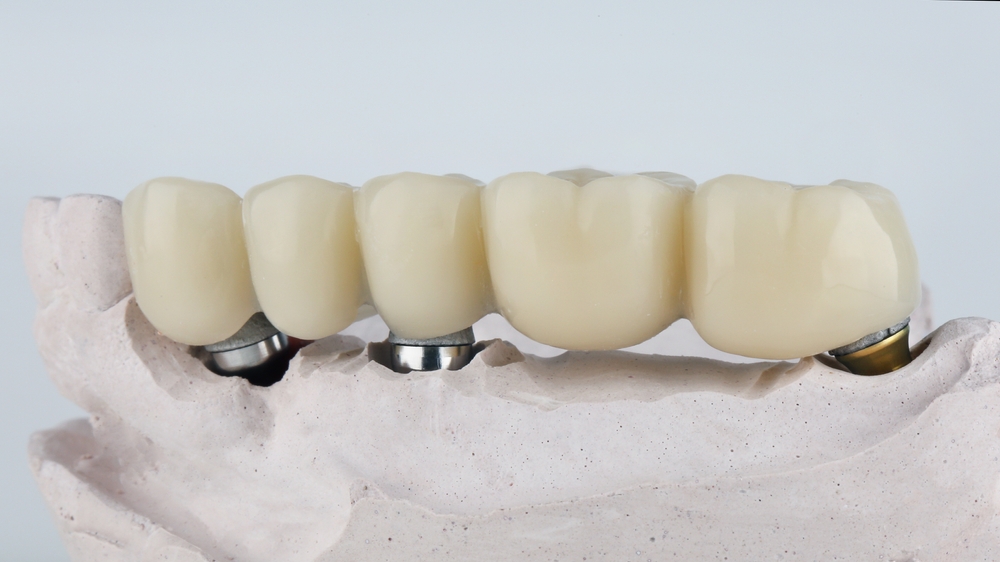
Dental bridges serve as a restorative solution for individuals missing one or more teeth. These prosthetic devices consist of pontics (artificial teeth) anchored between two dental crowns or implants. Acting as a bridge, they fill gaps left by missing teeth, preventing adjacent teeth from shifting and restoring the appearance and functionality of a complete smile.

Causes of Tooth Loss

Various factors contribute to tooth loss, including:

  • Decay
  • Gum disease
  • Trauma
  • Genetic predisposition

Dr. Foleck emphasizes the importance of addressing tooth loss promptly, as it can lead to a cascade of oral health issues if left untreated.

Impact of Missing Teeth on Oral Health

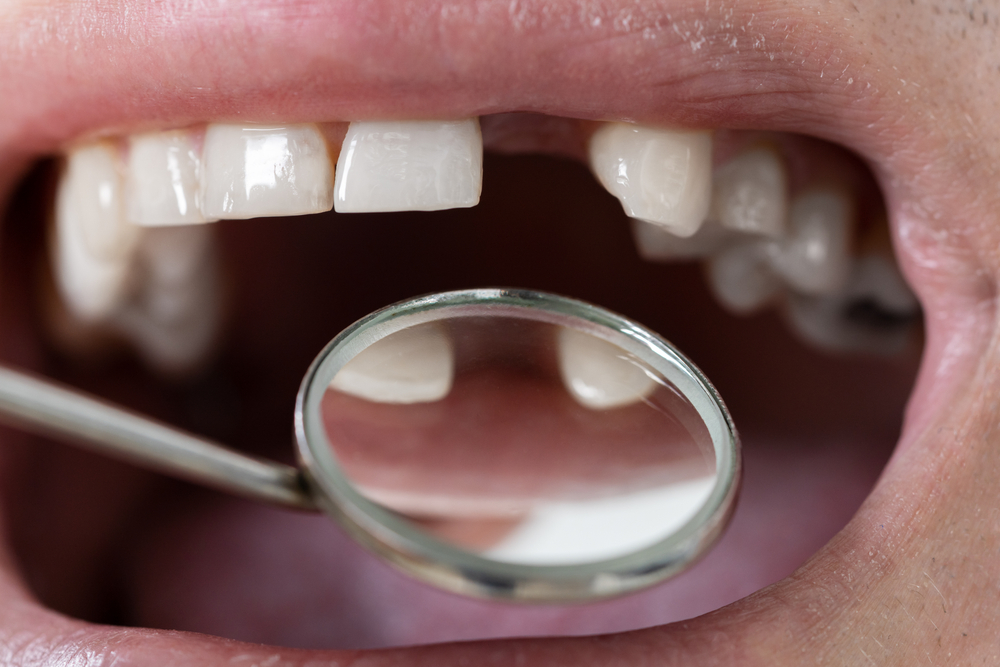
Beyond aesthetic concerns, missing teeth can detrimentally impact oral health. The absence of teeth may cause bone loss, speech impediments, bite misalignment, and difficulty chewing. Over time, these issues can lead to further tooth loss and compromise the structural integrity of surrounding teeth.

The connection between oral health and overall systemic health is well documented. Poor oral health has been associated with cardiovascular disease, diabetes, and pulmonary conditions, and may contribute to or worsen a range of existing health conditions. According to a 2025 study published in Cureus, tooth loss serves as a measurable biomarker of systemic health decline. Further research suggests that the number of missing teeth can be a factor in reduced life expectancy and earlier onset of dementia, gastric disease, and psychological health challenges, a finding supported by research published in Periodontology 2000 and a large-scale longitudinal study in Frontiers in Medicine.

More Adults Are Missing Teeth Than You'd Expect

According to the CDC’s 2024 Oral Health Surveillance Report, the average number of permanent teeth drops from 27 at ages 20–34 to just 19.8 by age 75 and older. The report notes that “the mean number of missing teeth increased with age, from 5.6 at 60–74 years to 7.4 at 75 years or older.” Tooth loss this widespread is the reason why replacing missing teeth is one of the most routine procedures in restorative dentistry.

When should you seek a professional?

Research shows the alveolar ridge (the section of jawbone that holds teeth in place) can start losing both width and height within months of a tooth being extracted, with deterioration continuing if the space isn’t addressed. As neighboring teeth shift toward the gap and opposing teeth begin to erupt into the open space, bite alignment changes with them. Left untreated, these shifts can compromise the surrounding teeth, often creating misalignment that requires additional dental work to correct.

Process of Getting a Dental Bridge

Initial Consultation

The journey toward a dental bridge begins with an initial consultation with our skilled dental professionals. During this appointment, a dentist will conduct a thorough examination of your oral health. X-rays, impressions, and discussions about your dental history and preferences will help in formulating the most suitable treatment plan.

Treatment Planning

Based on the assessment, if you are deemed a suitable candidate for a dental bridge, a personalized treatment plan will be crafted. This plan takes into account the number of missing teeth, the condition of adjacent teeth, and the type of bridge that best fits your needs.

Preparation of Adjacent Teeth

For a traditional dental bridge, the teeth adjacent to the gap are prepared to serve as anchors for the bridge. This process involves reshaping these teeth to accommodate dental crowns that will provide support for the bridge. If dental implants are being used, the implants will be surgically placed in the jawbone to serve as the foundation for the bridge.

Impression Taking

We’ll take precise impressions of your teeth to create a custom-fit bridge that matches the natural color, size, and shape of your existing teeth. These impressions are sent to a dental laboratory where skilled technicians fabricate the bridge to ensure a seamless fit.

Temporary Bridge (if necessary)

While the permanent bridge is being created, we may place a temporary bridge to protect the exposed teeth and gums. This temporary solution helps maintain functionality and aesthetics until the final bridge is ready for placement.

Bridge Placement

Once the custom bridge is ready, you’ll return to our Southeast Virginia dental offices for placement. We’ll carefully check the bridge for fit and aesthetics. We may make adjustments to ensure proper alignment and comfort. Once approved, the bridge is permanently bonded or secured in place using dental cement or other appropriate means.

Post-Placement Care and Instructions

After the bridge is in place, our team will provide detailed instructions on proper aftercare. This typically includes maintaining excellent oral hygiene through regular brushing, flossing, and attending scheduled check-ups. Regular follow-ups with our dental professionals at The Foleck Center in Hampton Roads are recommended to monitor the bridge’s condition and ensure its long-term success.

Candidacy

Not everyone is an ideal candidate for dental bridges. Factors such as overall oral health, bone density, and the condition of adjacent teeth play a pivotal role. Our expert dentists carefully evaluate each patient to determine candidacy and suggests alternative treatments if necessary.

Exploring the Types of Dental Bridges Available

There are several types of dental bridges available to meet different patient needs. The most common option is the traditional bridge, which uses abutment teeth on either side of the gap created by missing teeth. Cantilever dental bridges are used when there is only one adjacent tooth to support the structure, making them suitable for areas with less biting force. Maryland bridges, also called resin bonded bridges, rely on metal wings or porcelain frameworks bonded to surrounding teeth, making them ideal for front teeth. For added durability and stability, an implant supported bridge may be recommended, especially for patients missing multiple teeth in a row.

Dental Implants and Implant Supported Bridges

When patients ask how to replace missing teeth with maximum longevity, dental implants and implant-supported crowns often provide the most secure solution. These options use one or more titanium posts placed in the jaw to support a fixed bridge or an implant bridge, which can be especially helpful when many factors make traditional bridges less suitable. For example, patients with tooth loss on both sides of a gap may benefit from two implant supported crowns that act as stable anchors. In some cases, one implant may be used if the gap caused by tooth loss is smaller. While two surgeries may be required for full healing and placement, the result is often more comfortable and natural-feeling than traditional options.

Are dental bridges painful?

A common concern is whether a dental bridge is painful. While discomfort can vary depending on the type of bridge and the number of teeth involved, most procedures involve only mild soreness during recovery. Local anesthesia helps manage sensitivity during the placement process, and most patients resume daily activities quickly. If pain persists, it may signal an issue with the dental crowns, abutment teeth, or improper fit. Follow-up visits are important to ensure the bridge functions as intended and doesn’t place strain on other teeth.

Maintenance and Long-Term Success

The longevity of a dental bridge depends heavily on proper care and good oral hygiene. Patients are advised to brush twice a day, floss carefully around the bridge, and avoid chewy foods that can stress the false teeth or the adjacent teeth supporting the structure. Regular office visits for professional cleanings and exams allow your dentist to monitor both your bridge and the condition of remaining teeth. Failing to care for your bridge can result in tooth decay, gum disease, or even the need for additional oral surgery.

What People Try at Home Before Calling a Dentist

Salt water rinses, clove oil, and pharmacy dental cement are the most common at-home approaches for oral pain or a restoration that feels off. While these remedies may take the edge off discomfort short-term, they won’t resolve an issue with an existing restoration and can mask the problem or delay necessary treatment. The only way to properly address the issue is to schedule an appointment with your dentist.

What the Research Actually Tells Us

A 2023 study published in Clinical and Experimental Dental Research examined over 1,100 fixed prostheses across 423 patients and found that “even with excellent fixed dental prostheses, there will be a substantial risk of biological complications, such as caries, if proper oral hygiene is not maintained.” For bridge patients, professional cleanings aren’t optional. They’re what keeps the restoration standing.

Materials Used in Dental Bridge Fabrication

The bridges we provide are crafted using high quality materials designed for both durability and aesthetics. Many patients opt for porcelain fused to metal or ceramic for a look that blends seamlessly with natural teeth. The design process starts with dental impressions that allow our team to create custom restorations in a trusted dental lab, ensuring precise fit and color matching. The choice of material can also depend on the location—back teeth may benefit from stronger materials to aid chewing function, while front teeth may emphasize cosmetic appearance.

What a Dental Bridge Actually Costs and What Insurance Tends to Cover

The cost of a dental bridge depends on bridge type, materials, the extent of decay or tooth damage, and the number of teeth involved. In some cases, a root canal may be needed prior to beginning the bridge, which can affect the overall treatment cost. For most patients with coverage, a portion of the cost is offset by their plan.

Industry Average Pricing for a Dental Bridge

CareCredit’s 2024 Synchrony Average Procedural Cost Study puts the national industry average for a traditional 3 unit bridge at $5,197, with a range of $4,100 to $9,650. These are industry-wide figures, not a reflection of any specific practice’s pricing. For the numbers that apply to your situation, reach out to our team directly.

Common Insurance Providers That Cover Dental Bridges

According to the National Association of Dental Plans’ 2025 Dental Benefits Report, 83% of Americans carry some form of dental coverage. Major carriers, including Delta Dental, Cigna, Aetna, Humana, MetLife, and UnitedHealthcare, typically classify dental bridges as a major restorative service, with reimbursement ranging from 50% to 70% after deductibles. This list reflects nationally recognized carriers and isn’t confirmation of acceptance at any specific practice. To verify your coverage, reach out to our team.

Why Only a Dentist Can Recommend the Right Solution

When considering how many teeth need to be replaced, whether to place dental implants, or what type of bridge is most appropriate, it’s crucial to consult with a qualified dentist. Only a dentist can evaluate your oral structure, bone health, and preferences to recommend the ideal treatment path. Relying on professional advice reduces the increased risk of complications and ensures you’ll receive care that’s safe, effective, and tailored to your needs.

Dr. Adam Foleck, DMD, dental implant dentist serving Virginia Beach, Norfolk, and Hampton, VA

Meet Dr. Adam Foleck, DMD

Dr. Adam Foleck earned his Doctor of Dental Medicine from Temple University School of Dentistry in 1997 and completed post-graduate training at the University of Mississippi Medical Center, focusing on implant placement, bone and gum grafting, and full mouth rehabilitation.

In 2011, he was among only thirteen dental professionals in North America to earn Diplomate status from the American Board of Oral Implantology, the highest credential in the field, and earned Fellow status in the American Academy of Implant Dentistry in 2012. He has since authored a chapter in Modern Implant Dentistry and continues to lecture nationally and internationally. The Foleck Center’s four locations across Norfolk, Virginia Beach, Hampton Kecoughtan, and Hampton Coliseum all carry that same standard of care.

Meet The Doctors

Frequently Asked Questions

How long do dental bridges typically last?

Dental bridges can last anywhere from five to 15 years or more with proper care and maintenance. Regular dental check-ups are recommended to monitor the bridge’s condition and ensure its longevity.

Are there any dietary restrictions with a dental bridge?

Initially, patients might be advised to stick to softer foods and gradually transition to a regular diet. Avoiding hard or sticky foods can help maintain the integrity of the bridge.

Can a dental bridge be repaired if damaged?

Yes, minor damages to dental bridges can often be repaired. It’s essential to contact your dental professional promptly for assessment and necessary repairs in case of any issues

Will getting a dental bridge be painful?

The procedure is typically performed under local anesthesia, ensuring minimal discomfort during the process. Any post-procedural discomfort can be managed with prescribed medications and follow-up care as advised by your dental professional.

Your Solution to Missing Teeth

Your smile holds the power to brighten every moment, but missing teeth can dim that light. Reclaim your confidence and joy by taking a step towards restoring your smile. Contact our centers in Hampton, Norfolk, and Virginia Beach. Let the warmth of our care rekindle your hope, ensuring that every laugh and every moment shared is adorned with the brilliance of your complete, radiant smile. Act today to rediscover the beauty of your smile and embrace a future filled with confidence and happiness.

Request Appointment