Porcelain Veneers in Virginia

What are porcelain veneers?

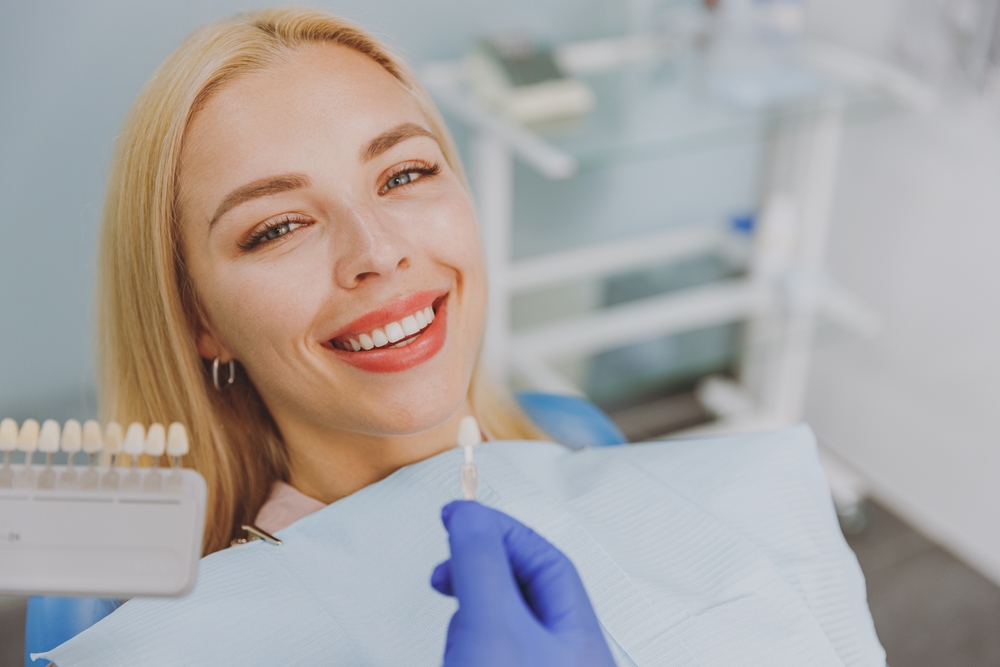
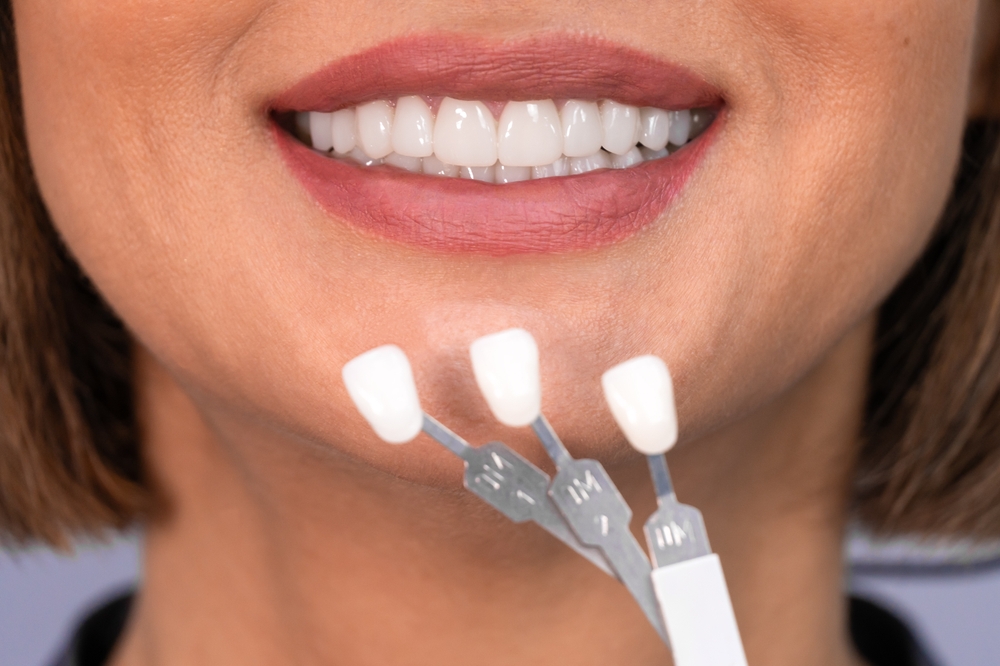
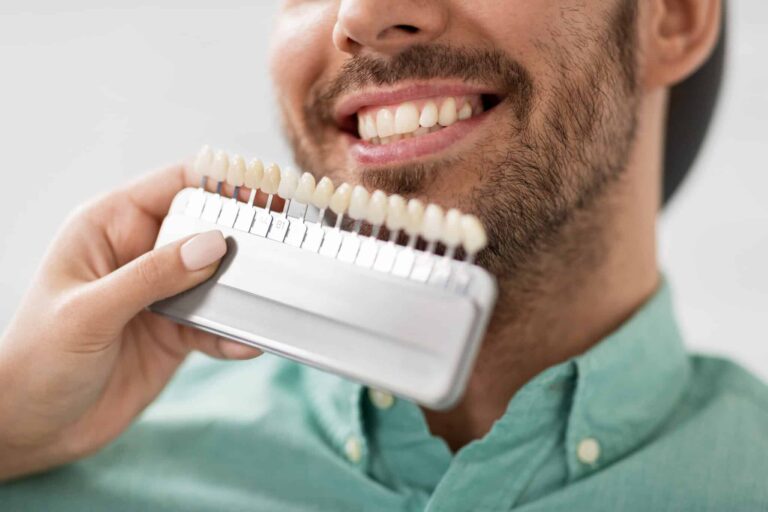
Porcelain veneers can drastically change the look of your smile. These thin, porcelain shells are attached to the front of your smile and can work to cover flaws and imperfections. If you’re unhappy with your smile and ready for a change, veneers are a great go-to option for many patients. Despite being lightweight and thin in nature, most veneers can last for up to 10 years before you may need to replace them. Contact our Southeast Virginia dentists to schedule an appointment. We have dental offices in four locations for your convenience: NorfolkVirginia BeachHampton Kecoughtan, and Hampton Coliseum.
Why are porcelain veneers needed?

Veneers can cover an array of imperfections and flaws at the front of your smile. They can even save you money by preventing the need for more complicated cosmetic work. Some of the issues that veneers can cover include:

  • Discoloration and staining
  • Gaps and spaces
  • Uneven, unsightly teeth
  • Chipped and cracked teeth

Nearly All Adults Say a Smile Is Their Most Important Social Asset

Research consistently shows that a bright smile actively shapes how others perceive you. A peer-reviewed study published in Scientific Reports found that smiling increases socially perceived attractiveness and is considered a signal of trustworthiness and intelligence. For patients who’ve quietly managed concerns about their smile for years, that dynamic helps explain why improving it often feels like more than a cosmetic decision, it’s about showing up more confidently in everyday interactions.

When is the right time to see a cosmetic dentist?

When a concern has been present long enough to affect daily confidence, a consultation is worth having. The American Dental Association advises patients to discuss their history and expectations directly with their dentist first. Any underlying decay or gum disease gets resolved before veneers are ever considered.

Keeping Cosmetic Veneers in Shape Is Mostly Just Good Dental Hygiene

Dental veneer maintenance follows the same routine that protects natural teeth:

  • Non-abrasive fluoride toothpaste
  • Regular brushing and flossing
  • Professional cleanings every six months
  • A night guard for patients who grind

Avoid biting directly into very hard foods with the front teeth and don’t use them to open packaging. Coffee, tea, and red wine affect porcelain slowly, but consistently. Smoking accelerates both staining and gum tissue changes. With proper care, most patients go 10 to 20 years before any maintenance conversation becomes relevant.

What the Internet Gets Wrong About At-Home Smile Fixes

Whitening strips, charcoal powders, oil pulling, and mail-order bonding kits circulate online as lower-cost alternatives to professional cosmetic work. However, the ADA confirms whitening products do not work on veneers, crowns, caps, or fillings. They act only on natural enamel.

DIY bonding kits carry a separate risk. Without proper surface preparation and professional-grade adhesives, marginal failures create gaps where bacteria collect and decay develops beneath the surface, often without any visible sign until the damage is more involved to fix.

What Research Finds on Abrasive Whitening Products and Dental Porcelain

A 2022 systematic review published in the journal Oral found that bleaching protocols affect the surface roughness of enamel and can reduce the bond strength between enamel and ceramic restorations. This is an important detail worth discussing with a dental provider before starting any whitening regimen, particularly for patients with ceramic crowns or veneers.

What Dental Veneer Treatment Actually Costs: What Insurance Will and Won’t Cover

Veneer treatment lands in a broader, more flexible range than most people assume. The figures below come from publicly available industry data and are national averages only. They do not represent the pricing at any specific practice.

What Patients Typically Pay for Veneers Nationally

According to 2025 pricing data from CareCredit, the national average for a single veneer is approximately $1,765, with a range of $500 and $2,895 per tooth. Spread across a 10-to-15-year lifespan. Full-smile cases are often packaged, and financing is widely available to spread costs over time.

These are industry averages only, contact your practitioner directly for specific costs.

Will your dental insurance cover veneers?

The American Dental Association notes that veneers are cosmetic and generally not covered unless medically necessary. FSAs, HSAs, and third-party financing are the most common paths when standard coverage doesn’t apply.

Carriers commonly seen in dental benefit rosters nationally include Delta Dental, Cigna, Aetna, MetLife, Humana, and Guardian. This is a national overview, not a confirmation of accepted plans at your local practitioner.

Meet The Foleck Center: Virginia’s Cosmetic Dental Team

Cosmetic dental veneer work at The Foleck Center is led by Dr. Adam Foleck, DMD, an international lecturer and contributing author to Modern Implant Dentistry, the field’s leading clinical textbook. His team of doctors, hygienists, and front office staff has served the Norfolk, Virginia Beach, and Hampton communities since the late 1990s with a patient-first approach at every stage of care.

Meet The Doctors

Dr. Adam Foleck, DMD, dental implant dentist serving Virginia Beach, Norfolk, and Hampton, VA

Who is a Good Candidate for Porcelain Veneers?

You’re a good candidate for veneers if you’re unhappy with your smile and ready for a change. The teeth underneath the veneers should be free of decay, and not need any restorative work prior to having the veneers placed. Many patients choose to have veneers placed for special events like weddings, reunions, and graduations. Others choose this cosmetic option because they want to feel better about their smile on a day-to-day basis.

Your Smile Doesn’t Have to Stay the Way It Is. Dr. Foleck and The Foleck Center Can Help

Staining that won’t lift, a chip that’s been quietly bothering you for years, spacing that never corrected itself: these are the concerns Dr. Adam Foleck and The Foleck Center team hear most. They’ve guided patients across Norfolk, Virginia Beach, Hampton Kecoughtan, and Hampton Coliseum through them for decades. Every consultation starts with listening, and every treatment plan is built around what you actually want. The first step is a conversation, not a commitment.

Schedule an appointment on our website, or find us on Facebook, Instagram, TikTok, and YouTube to see real patient results and get a feel for the practice before you ever set foot inside.

FAQs

How much are veneers?

According to 2025 pricing data from CareCredit, the national average for a single veneer is approximately $1,765, with costs ranging from $500 to $2,895 per tooth depending on geographic location, the number of teeth treated, and the clinician’s experience. Full-smile cases covering the front six to eight teeth are often priced as a package, and most practices offer financing options to spread the cost over time.

How long do veneers last?

With proper care, porcelain veneers typically last 10 to 20 years before replacement becomes relevant. Regular professional cleanings, non-abrasive toothpaste, and a night guard for patients who grind are the main factors in reaching the higher end of that range. Avoiding biting into very hard foods with the front teeth and keeping up with routine dental visits also plays a role in how long they hold up.

Are veneers permanent?

Placement requires removing a thin layer of enamel, which does not grow back, making the decision irreversible. The veneers themselves are replaced every 10 to 20 years, but the treated teeth will always need some form of coverage going forward. That’s why the evaluation step matters. A qualified clinician will confirm the underlying tooth structure is healthy and the patient is a good candidate before any enamel is touched.

Does insurance cover veneers?

The ADA classifies veneers as cosmetic dentistry, so most insurance plans exclude them unless deemed medically necessary. In cases where veneers address significant structural damage or a documented functional concern, partial coverage may apply. For purely cosmetic cases, flexible spending accounts, health savings accounts, and third-party dental financing programs are the most commonly used alternatives. Contacting The Foleck Center’s front office directly is the best way to confirm what options are available.

Are veneers bad for your teeth?

Veneers placed by a licensed dentist on healthy teeth do not damage the underlying tooth structure. The primary consideration is that enamel removal is irreversible, which is why the ADA recommends resolving any decay or gum disease before placement moves forward. When the process is done correctly on qualified candidates, the teeth underneath remain protected by the bonded veneer and are not exposed to additional risk.

What happens during the porcelain veneer process?

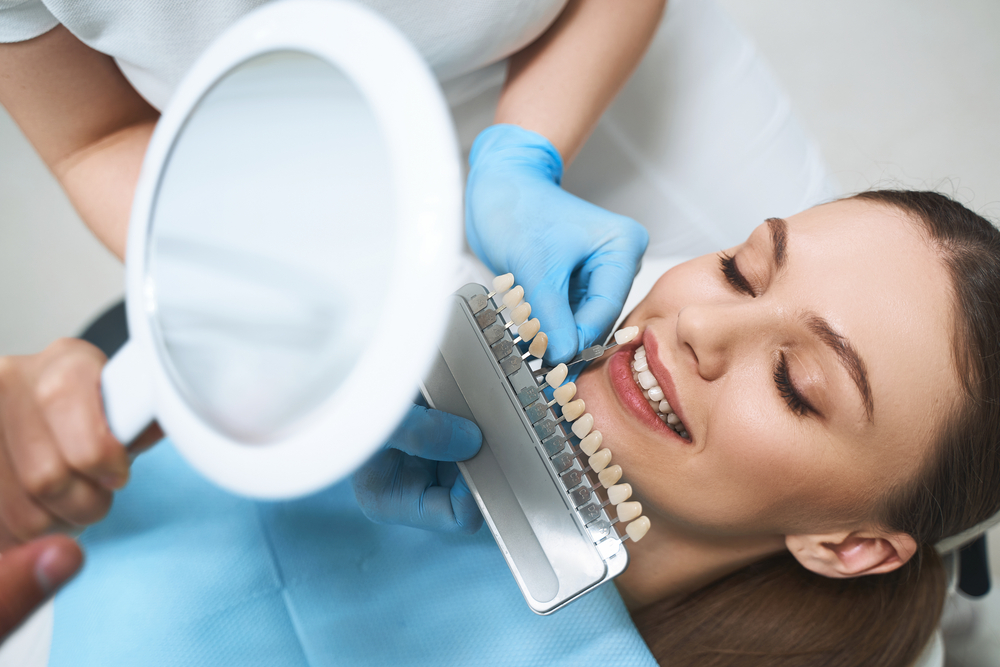
We begin by subtly shaping the front surface of your teeth. This creates just enough space so your custom porcelain veneers look flawlessly natural, not bulky. Impressions will then be taken of your teeth and used to create the new porcelain veneers. Your second appointment involves actually placing the veneers. The process is done quickly and easily, and the veneers are bonded permanently in place. We’ll make some slight adjustments to the veneers so that they fit and feel more natural. You will be amazed and shocked at how different your smile looks with veneers. The veneers can be replaced over time in the same manner that they were first placed.

If you would like to come into our office for veneers and want to learn more about the procedure, call us today and we can work to answer any of your questions.

Request Appointment