Teeth Whitening in Virginia

What is teeth whitening?

Teeth whitening at our Southeast Virginia offices can remove years of stains and discoloration from your natural teeth. We utilize two different whitening systems at our offices. The first is known as BriteSmile, which is an in-office treatment that can be done in about an hour. Our take-home whitening option is called Day White, because the whitening trays are worn for about an hour each day, providing drastic results you can achieve in the comfort of your own bedroom. Contact our Virginia dentists to schedule an appointment. We have dental offices in four locations for your convenience: NorfolkVirginia BeachHampton Kecoughtan, and Hampton Coliseum.

Smiling woman with a bright, whitened smile relaxing at home after teeth whitening in Hampton Roads

Who is a good candidate for teeth whitening?

You may be a good candidate for whitening if you’re tired of feeling badly about your smile, or if you are planning on attending an upcoming event that wants to look your best. Keep in mind that whitening only has an effect on your natural teeth. If you have restorations, like veneers, fillings, crowns, and bridges, they may not lighten with the use of whitening treatments. However, you can choose to have your natural teeth whitened before these restorations are made and placed for you.

Understanding Tooth Discoloration and Staining Causes

Tooth discoloration occurs for a variety of reasons, including the buildup of surface stains from coffee, tea, red wine, and tobacco products. These extrinsic staining examples affect the outer enamel surface and can often be corrected with professional teeth whitening methods. Intrinsic staining examples, such as tetracycline stain or discoloration due to trauma, can be more difficult to address, often requiring specialized whitening treatment or cosmetic restorations.

Staining Develops Gradually

Tooth discoloration is one of the most common aesthetic concerns in dentistry. According to the ADA’s MouthHealthy resource on teeth whitening, staining develops gradually through everyday habits like drinking coffee, tea, and red wine, as well as through aging and certain medications. In most cases it reflects cumulative dietary and lifestyle patterns rather than poor oral hygiene, and professional whitening is specifically designed to address it.

When should you seek a professional?

Research published in the British Dental Journal found that bleaching is the recommended initial treatment consideration for stained teeth, confirming that professional protocols outperform over-the-counter products for cases involving intrinsic discoloration. If surface staining persists despite consistent oral hygiene, or if prior whitening attempts have caused gum irritation or sensitivity, a professional evaluation is the right next step.

The Foleck Center logo, offering teeth whitening at four Hampton Roads dental office locations

What happens during professional teeth whitening?

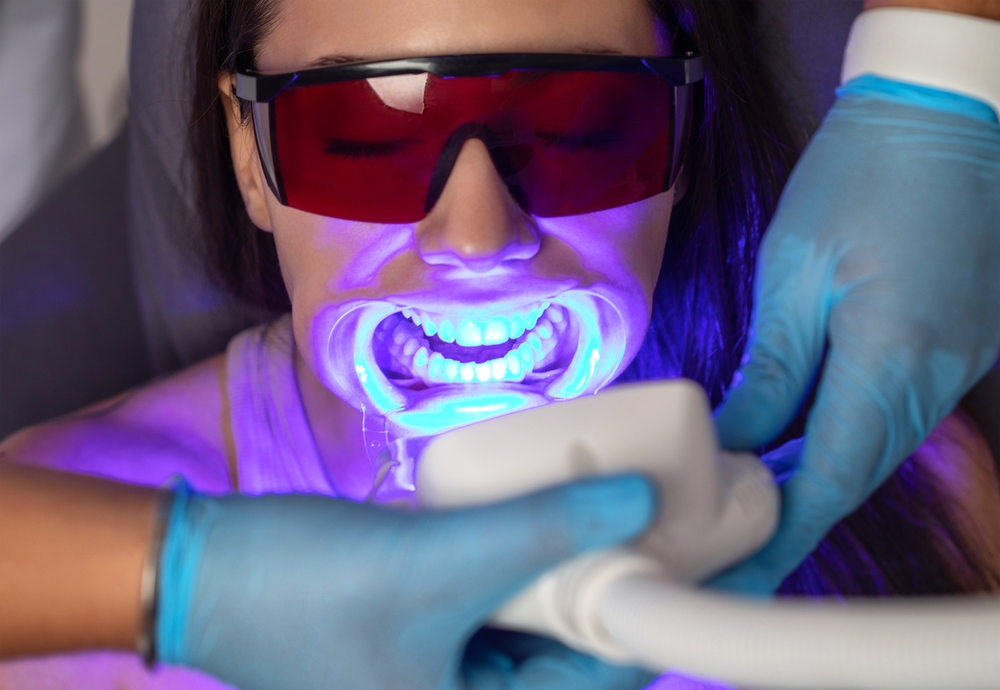
For our BriteSmile system, you’ll come into our office and have a gel applied to the teeth. A bright light is used to accelerate the results you’ll achieve with the system. The gel is removed and reapplied shortly after beginning, and the procedure is considered finished in about an hour. You can experience a smile that’s up to 14 shades lighter before leaving the office. Our Day White system provides you with whitening trays and a patented gel formula that you use at home. The trays should be worn for an hour each day, for about two weeks. You’ll experience a smile that’s 14 shades whiter than before beginning the process.

The KöR Whitening System: For Stains That Other Treatments Can’t Reach

KöR whitening is a professional deep bleaching system that uses refrigerated gels and custom KöR-Seal trays to keep the whitening agent active far longer than conventional systems, most of which are deactivated by saliva within 25 to 35 minutes. That extended contact time allows the gel to penetrate deeper into the tooth structure, making KöR effective even on resistant cases like fluorosis and tetracycline staining.

KöR is offered in four tiers based on the severity of staining and the patient’s goals. Your dentist will recommend the right tier during your consultation.

KöR Home

Best for patients with mild staining or those maintaining results from a previous whitening treatment. Uses refrigerated 16% hydremide peroxide gel worn in custom trays overnight, or a 9% daytime formula for patients with sensitivity concerns. No in-office visit required for this tier.

KöR MAX

The most popular KöR option for patients with moderate to significant staining. Begins with two weeks of nightly at-home whitening using 16% carbamide peroxide in custom refrigerated trays, followed by a single in-office visit using KöR’s 34% Dual-Activated, Tri-Barrel Hydremide Peroxide gel. Periodic at-home maintenance follows to hold results long-term.

KöR ULTRA

Designed for stubborn cases including fluorosis and advanced age-related discoloration. Includes an in-office conditioning visit using 13% gel, followed by six to eight weeks of nightly at-home whitening, then a final in-office session with 34% Dual-Activated, Tri-Barrel Hydremide Peroxide gel. Ongoing maintenance keeps results stable.

KöR ULTRA-T

The most intensive KöR protocol, developed specifically for tetracycline-stained teeth, a type of intrinsic discoloration that most whitening systems cannot meaningfully address. Follows an extended version of the ULTRA protocol with a treatment plan customized to the depth and pattern of the staining.

Meet the Team at The Foleck Center

At The Foleck Center, our doctors are committed to delivering exceptional dental care with compassion, precision, and a patient-first mindset. Dr. Adam Foleck, DMD, leads the practice with over 25 years of experience, earning Diplomate status in the American Board of Oral Implantology, authoring a chapter in the top-selling implant textbook Modern Implant Dentistry, and lecturing internationally on implants, grafting, and CAD/CAM surgical integration. Supported by a skilled team of hygienists, dental assistants, and front office staff, The Foleck Center serves patients across Norfolk, Virginia Beach, and Hampton with care that goes well beyond the chair.

Learn About Your Doctor!

Dr. Adam Foleck, DMD, dental implant dentist serving Virginia Beach, Norfolk, and Hampton, VA

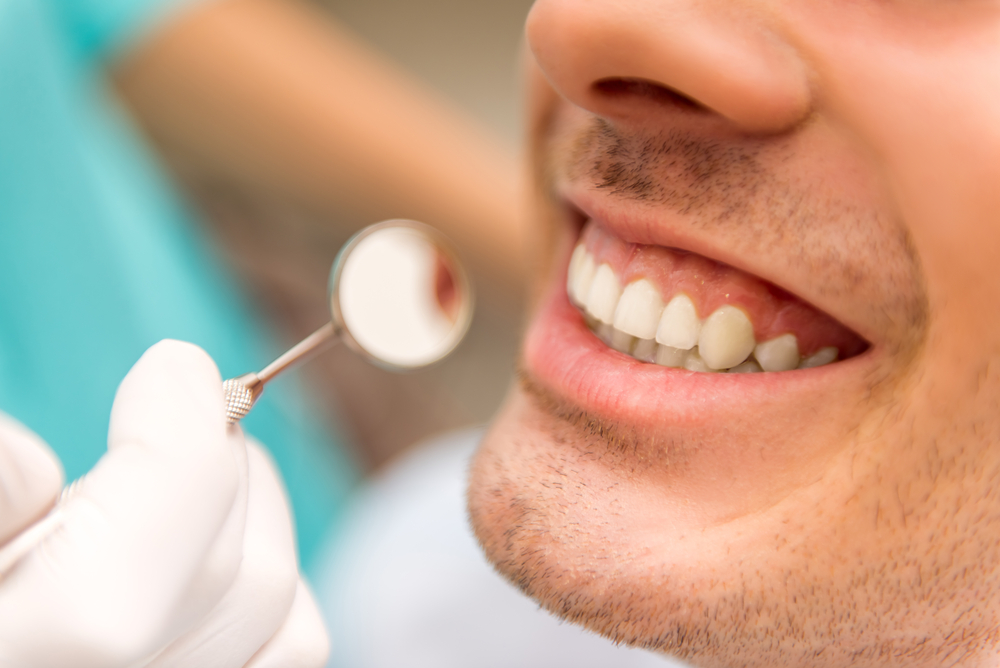
Close-up of a man's bright smile being checked with a dental mirror after a whitening visit in Norfolk

The Science Behind the Whitening Process

Most in office whitening procedures use a peroxide gel, typically hydrogen peroxide or carbamide peroxide, as the active bleaching agent. These ingredients work by releasing oxygen molecules that break down colored compounds on the tooth surface. The bleaching efficacy depends on the strength of the compound and the application technique. In our dental office locations throughout Norfolk, Virginia Beach, and Hampton, our dental professionals rely on evidence-based dental practice and advanced whitening products to ensure optimal results.

Managing Tooth Sensitivity and Gum Irritation

It’s common for patients to experience increased tooth sensitivity or gingival irritation during and after a whitening procedure. This is due to the penetration of the bleaching solution into the tooth enamel and dentin, sometimes affecting the nerve. Our in office bleaching options are carefully applied to avoid overexposure and help minimize the risk of aggressive bleaching or damage to the enamel surface. If you’re using whitening strips or over the counter products at home, be mindful of how frequently you apply them, especially if you already have sensitive teeth.

How Whitening Interacts with Oral Health and Restorations

Teeth whitening is safe when performed under the supervision of trained dental professionals. However, it’s important to understand that whitening toothpastes and rinses may not work on ceramic crowns or other dental restorations. These products can improve surface stain removal, but won’t change the shade of prosthetic materials. Individuals with gum disease or periodontal disease should treat those conditions before undergoing any whitening procedure.

Lifestyle Choices That Affect Whitening Results

After your whitening treatment, our team recommends that you avoid acidic foods and beverages for at least 48 hours. Acidic foods can temporarily soften the tooth structure, increasing the risk of enamel erosion and reducing the effectiveness of the whitening results. To preserve your whiter teeth, limit consumption of staining agents such as red wine, dark sodas, and coffee.

Popular Home Remedies and What People Are Trying on Their Own

Common DIY whitening remedies circulating online include brushing with baking soda, swishing with coconut oil (oil pulling), applying activated charcoal powder, and using lemon or strawberry pulp directly on the teeth. Baking soda’s mild abrasiveness does provide some surface stain removal, which is why it has been incorporated into many commercial whitening toothpastes.

Oil pulling has roots in Ayurvedic tradition, though its whitening claims have gained more traction in wellness communities than in peer-reviewed dental research. Activated charcoal and acidic fruit applications remain considerably more contested, with clinical literature raising concerns about their long-term effect on enamel.

Myth Busting

A 2024 study in the British Dental Journal evaluated activated charcoal-based dentifrices and found that most produced insignificant changes in tooth color while demonstrating measurable surface roughness and enamel wear compared to conventional toothpastes. Research indicates that acidic DIY applications, including lemon juice and vinegar-based rinses, can temporarily soften enamel, accelerating surface erosion over time rather than safely removing staining compounds.

Patient undergoing an in-office LED teeth whitening treatment at a Hampton Roads dental office

The Long-Term Value of Professional Whitening

While over the counter products like whitening rinses or strips may offer limited results, the controlled environment of in office treatment provides longer-lasting and more dramatic outcomes. By using a professional-grade carbamide peroxide bleaching gel and expert techniques, we can safely remove stains caused by the acquired dental pellicle and improve your oral health with fewer side effects.

The Foleck Center logo, offering teeth whitening at four Hampton Roads dental office locations

Why Teeth Whitening Matters for Your Smile

Teeth whitening is one of the most effective ways to refresh your appearance and restore confidence in your smile. Over time, everyday habits like drinking coffee, red wine, or tea can leave behind surface stains that dull your teeth. Smoking, certain medications, and natural aging can also lead to deeper tooth discoloration. That’s where professional teeth whitening comes in, delivering safer, faster, and more noticeable results compared to over the counter products.

At The Foleck Center, our dental professionals use advanced whitening systems designed to lift stains from the tooth enamel without compromising your oral health. Whether you visit us in Norfolk, Virginia Beach, or Hampton, we tailor your whitening treatment to your smile’s unique needs.

Choosing the Right Whitening Method

There are many teeth whitening methods available today, from whitening strips and whitening toothpastes to in office whitening treatments. But not all options are equally effective. In office bleaching with professional-grade peroxide gel provides quicker and longer-lasting whitening results by penetrating deeper layers of the tooth structure and breaking up stains at their source.

Our in office treatment uses a powerful yet safe carbamide peroxide bleaching gel, which releases hydrogen peroxide during the whitening process. This bleaching agent targets both surface and deeper stains, even helping with tough cases like tetracycline stain or intrinsic discoloration. Compared to whitening products bought in stores, professional teeth whitening is more precise, better monitored, and less likely to cause gum irritation or tooth sensitivity.

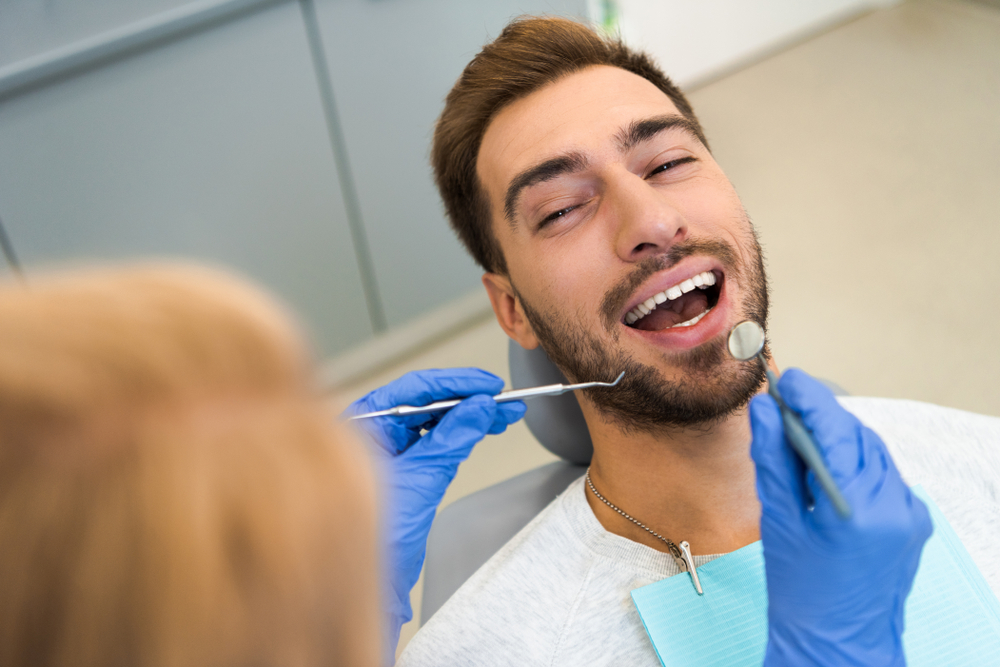
Man smiling in the dental chair after a teeth whitening procedure at a Virginia Beach dental office

Professional Whitening Fits More Budgets Than Most People Expect

Professional teeth whitening is one of the more accessible cosmetic dental investments, and the options available today make it easier than ever to move forward with minimal financial risk. The figures below reflect industry averages. To learn about the specific options our team has made available, reaching out directly is the best way to get accurate information.

Industry Average Pricing

According to the ADA Survey of Dental Fees, the average cost of in-office teeth whitening is $297.12 per arch, meaning a full upper and lower treatment averages just under $600 nationally. These are industry averages only, your dentist can walk you through exact plans and current rates of your local practice.

You Deserve Teeth Whitening Done Right

A brighter, more confident smile is closer than most people think. Whether you’re dealing with years of surface staining from coffee and red wine, or deeper discoloration that hasn’t responded to store-bought products, The Foleck Center has a whitening solution built around your specific needs, not a generic one pulled off a shelf.

Dr. Adam Foleck and his team bring decades of clinical expertise and a genuine commitment to patient care to every appointment. Schedule a consultation on our website to get started.

Request Appointment

FAQs

How much is teeth whitening?

Teeth whitening costs vary depending on the type of treatment, the complexity of the case, and the provider. In-office whitening is generally priced per arch, while professional take-home kits dispensed through a dental office tend to fall in a lower range. Because pricing differs from practice to practice, reaching out to our team directly is the most accurate way to get pricing specific to your situation.

How long does teeth whitening last?

Professional whitening results typically last anywhere from one to three years, though this varies from patient to patient. Diet, oral hygiene habits, and lifestyle factors like coffee, tea, and tobacco use all influence how long results hold. Patients who limit staining beverages, brush consistently, and keep up with regular cleanings tend to maintain their results longer. Periodic touch-up treatments can extend results well beyond the initial window.

Is teeth whitening safe?

Yes, when performed or supervised by a dental professional. Professional-grade whitening systems are calibrated to your tooth structure and applied in a controlled setting, which reduces the risk of overexposure associated with unsupervised at-home use. Patients with active gum disease, significant restorations, or a history of sensitivity are generally advised to speak with their dentist before starting any whitening protocol.

Does teeth whitening damage enamel?

Professional peroxide-based whitening systems work through oxidation rather than abrasion, meaning they break down staining compounds chemically rather than physically wearing down the tooth surface. Enamel concerns are more commonly associated with overuse of abrasive DIY products than with professionally administered bleaching. As with any treatment, following your provider’s recommended guidelines is the best way to protect your enamel and maintain your results.

Does teeth whitening hurt?

Most patients do not find whitening painful. Some experience temporary tooth sensitivity or mild gum irritation during or shortly after treatment, but these effects are generally mild and resolve on their own once treatment is complete. Patients with pre-existing sensitivity may benefit from a desensitizing protocol before or after their appointment, which our team can discuss with you during your consultation.

Keeping Your Smile Bright After Treatment

After completing your whitening procedure, it’s essential to maintain your results by avoiding acidic foods, brushing with non-abrasive toothpaste, and scheduling regular cleanings. Teeth whitening safe practices include limiting your exposure to staining substances and using touch-up whitening products as recommended by your dentist.

Our patients often ask, “Does teeth whitening work on yellow teeth or brown teeth?” The answer is yes, especially when handled by dental professionals. While whitening treatments may not change the color of dental restorations like ceramic crowns, they can dramatically improve the appearance of your natural teeth. We also ensure that those with sensitive teeth, periodontal disease, or past issues with enamel erosion receive personalized care that protects their oral health.

If you think you may need whitening or want to learn more about your options, call us today and we can get you in for a consultation appointment.

Request Appointment

Woman in a sunhat smiling confidently while walking through the city after teeth whitening in Hampton