
A Comprehensive Guide to Permanent Tooth Replacement for Virginia Beach Families, Military Personnel, and Retirees
Losing a tooth affects more than just your smile—it impacts your confidence, your ability to enjoy your favorite foods at Virginia Beach restaurants, and even your long-term oral health. Whether you’re an active-duty service member stationed at NAS Oceana, a retiree enjoying coastal living, or a family in Chesapeake or Portsmouth, understanding your tooth replacement options is the first step toward restoring your quality of life.
Dental implants have become the gold standard for permanent tooth replacement, offering Hampton Roads residents a solution that looks, feels, and functions like natural teeth. This comprehensive guide will help you understand everything you need to know about dental implants in Virginia Beach—from how they work to what makes them superior to other options, and how to choose the right implant specialist for your needs.
Why Virginia Beach Residents Choose Dental Implants
Virginia Beach is home to a diverse community of military families, college students, professionals, and retirees—all with active lifestyles that demand reliable dental solutions. Dental implants have become increasingly popular throughout Hampton Roads because they support the way people actually live.
Supporting Active Hampton Roads Lifestyles
From enjoying fresh seafood at Chic’s Beach to biking the trails at First Landing State Park, Virginia Beach residents lead active lives. Traditional dentures can slip during meals or physical activities, causing embarrassment and limiting food choices. Dental implants eliminate these concerns entirely. They’re permanently anchored in your jawbone, allowing you to bite into corn on the cob at the Oceanfront, enjoy steamed crabs without worry, and speak confidently during business meetings at Town Center.
Meeting the Needs of Military Families
Military personnel and their families near Naval Station Norfolk and NAS Oceana face unique considerations when it comes to dental care. Deployments, relocations, and unpredictable schedules require dental solutions that don’t need constant adjustment or replacement. Dental implants provide a permanent solution that doesn’t require the frequent maintenance of bridges or dentures. Once your implants are fully integrated and restored, routine care is simple—just brush and floss as you would natural teeth, with regular dental check-ups.
Quality of Life for Retirees
Many retirees choose Virginia Beach for its mild climate, beautiful coastline, and relaxed pace of life. After years of dealing with uncomfortable dentures or avoiding certain foods due to missing teeth, dental implants offer freedom. They preserve jawbone health, prevent the facial sagging that often accompanies tooth loss, and restore the ability to eat a full, nutritious diet—important factors for maintaining health and vitality during retirement years.
The Science Behind Dental Implants: What Makes Them Permanent
Understanding how dental implants work helps explain why they’re so successful and why they’re considered a permanent solution rather than a temporary fix.
Osseointegration: The Foundation of Implant Success
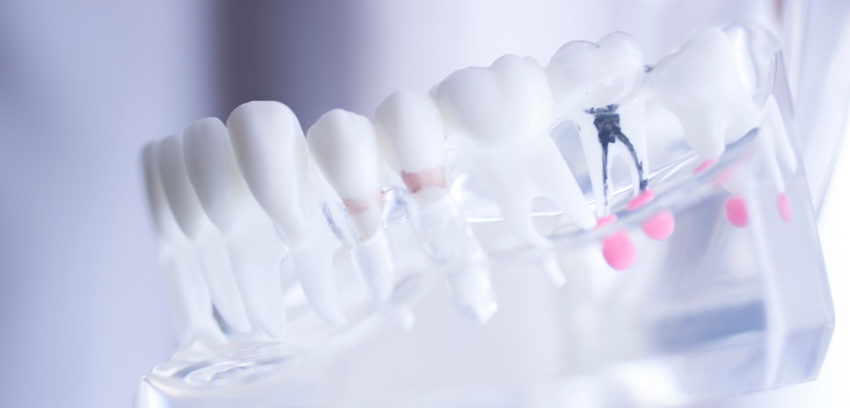
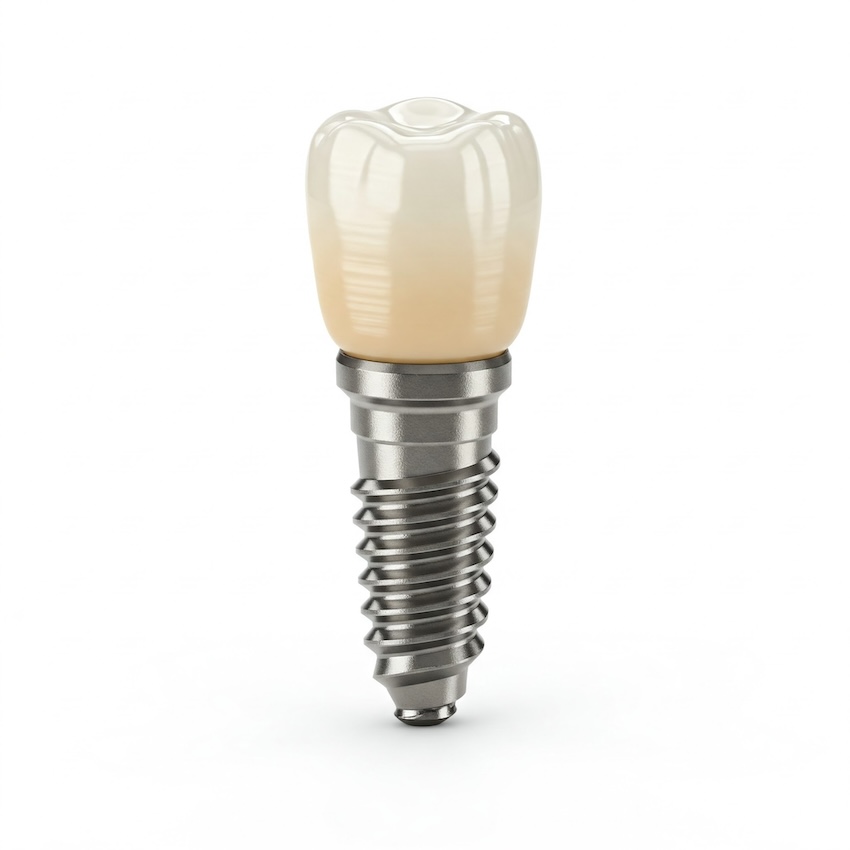
Dental implants work through a biological process called osseointegration. When a titanium implant post is placed into your jawbone, your body doesn’t reject it as a foreign object. Instead, over the course of several months, your bone cells actually grow onto and into the microscopically textured surface of the titanium implant. This fusion creates a bond stronger than the connection between natural tooth roots and bone.
This biological integration is what makes dental implants so stable and permanent. Unlike dentures that rest on your gums or bridges that rely on adjacent teeth for support, implants become part of your jaw structure itself.
Why Titanium Works So Well
Titanium has been used in medical implants for decades because of its unique biocompatibility—the human body accepts it without triggering an immune response. The same material used in hip replacements and other orthopedic implants provides the foundation for your new teeth. Pure titanium and titanium alloys have an established track record of safety and effectiveness, with decades of research supporting their use in dental implantology.
Preventing Bone Loss: A Critical Advantage
One of the most important benefits of dental implants is their ability to preserve jawbone density. When you lose a tooth, the portion of jawbone that once supported that tooth no longer receives stimulation from chewing forces. Without this stimulation, your body begins resorbing that bone—essentially, the bone deteriorates over time.
This bone loss has cascading effects. It can cause your facial structure to change, creating a sunken appearance that makes you look older. It can make dentures fit poorly, requiring frequent adjustments or replacements. And it can compromise your ability to place implants in the future if you wait too long.
Dental implants prevent this bone loss by providing the same stimulation to your jawbone that natural tooth roots provide. Every time you chew, the force transfers through the implant to the surrounding bone, signaling your body to maintain that bone density. This preservation of bone structure is something no other tooth replacement option can provide.
Long-Term Success Rates
Dental implants boast success rates of 95-98% when placed by experienced specialists and properly maintained by patients. These high success rates reflect decades of refinement in implant design, surgical techniques, and materials. Factors that contribute to long-term implant success include:
- Adequate bone density and quality at the implant site
- Precise surgical placement using advanced imaging and planning
- Proper healing protocol following surgery
- Good oral hygiene maintained by the patient
- Regular professional dental care and monitoring
- Overall health factors including non-smoking status and well-controlled chronic conditions
With proper care, dental implants can last 20 years, 30 years, or even a lifetime—making them the most cost-effective long-term tooth replacement solution despite their higher upfront investment.
Real Patient Scenarios: When Virginia Beach Residents Need Dental Implants
Dental implants aren’t just for one type of situation. Virginia Beach residents from all walks of life find themselves needing permanent tooth replacement for various reasons.
The Athlete with a Sports Injury
Sarah, a 28-year-old volleyball player who frequents the Oceanfront courts, lost her front tooth during a tournament. As a young professional working at Town Center, she couldn’t imagine living with a gap in her smile or dealing with a removable partial denture. A single-tooth dental implant gave her back her confidence without affecting the healthy teeth on either side, unlike a traditional bridge which would have required grinding down adjacent teeth.
The Military Veteran with Long-Term Tooth Loss
James, a retired Navy veteran living in the Dam Neck area, had been missing several back molars for years. He’d avoided dealing with it because he didn’t want the hassle of removable partial dentures. As he got older, he noticed it was becoming harder to eat tough foods and his remaining teeth were shifting. Multiple dental implants restored his ability to eat comfortably and prevented further dental problems, and his VA benefits helped cover a portion of the cost.
The Retiree Ready to Replace Failing Dentures
Linda, a 67-year-old retiree in Great Neck, had worn traditional dentures for fifteen years. They’d become increasingly loose and uncomfortable, affecting her ability to enjoy dinners out with friends and causing embarrassing moments when they would slip while talking. After learning about implant-supported dentures and the All-on-4 procedure, she discovered she could have a full arch of stable, permanent teeth without the frustration of traditional dentures.
The Young Adult with Congenitally Missing Teeth
Marcus, a 24-year-old ODU graduate student, was born without two lateral incisors—a relatively common congenital condition. He’d worn a removable partial appliance since his teenage years and was tired of the daily hassle. Two dental implants seamlessly filled the gaps in his smile, and now no one can tell the difference between his implants and his natural teeth.
The Professional Dealing with Severe Decay
Patricia, a 52-year-old businesswoman working in the Pembroke area, had severe decay in several teeth due to a childhood without proper dental care. After exploring her options, she learned that trying to save teeth with extensive decay often leads to repeated root canals, crowns, and eventual extraction anyway. Choosing to extract the damaged teeth and replace them with implants gave her a fresh start and eliminated the cycle of ongoing dental problems.
Comparing Your Options: Implants vs. Bridges vs. Dentures
Understanding the differences between tooth replacement options helps Virginia Beach residents make informed decisions about their oral health and long-term investment.
Dental Implants: The Permanent Solution
How they work: Titanium posts surgically placed in the jawbone, topped with custom crowns, bridges, or dentures.
Lifespan: 20+ years to lifetime with proper care
Advantages:
- Permanent and stable—no slipping or movement
- Preserves jawbone and facial structure
- Looks and feels completely natural
- No impact on adjacent healthy teeth
- Eat any food without restriction
- Simple maintenance—brush and floss normally
- Highest long-term success rate
- Most cost-effective over time despite higher upfront cost
Disadvantages:
- Higher initial investment
- Requires surgery and healing period
- Treatment takes several months from start to finish
- Requires adequate bone density (though grafting can address this)
Best for: Patients seeking a permanent solution who want to preserve oral health and are willing to invest in long-term results.
Dental Bridges: The Traditional Alternative
How they work: Artificial tooth anchored by crowns placed on adjacent natural teeth.
Lifespan: 5-15 years before replacement needed
Advantages:
- Faster treatment—usually completed in 2-3 visits
- No surgery required
- Lower upfront cost than implants
- Fixed in place—not removable
- Restores chewing function
Disadvantages:
- Requires grinding down healthy adjacent teeth
- Does not prevent bone loss under the missing tooth
- More difficult to clean—special floss threaders required
- Neighboring teeth can develop decay or need root canals
- Replacement needed every 5-15 years
- Higher lifetime cost due to repeated replacement
- Cannot be used if adjacent teeth are missing or compromised
Best for: Patients who cannot have surgery or need a faster solution and understand the limitations and maintenance requirements.
Dentures: The Removable Option
How they work: Removable artificial teeth that rest on gums, held in place by suction (full dentures) or metal clasps (partial dentures).
Lifespan: 5-10 years before replacement, with adjustments needed every 1-2 years
Advantages:
- Lowest upfront cost
- No surgery required
- Can be adjusted or remade as mouth changes
- Solution for patients with significant bone loss
- Fastest treatment option
Disadvantages:
- Can slip during eating or speaking
- Reduced chewing efficiency—typically only 20-30% of natural bite force
- Dietary restrictions—avoid tough, sticky, or hard foods
- Does not prevent bone loss—actually accelerates it
- Requires removal for cleaning and sleeping
- Can cause sore spots and discomfort
- May affect taste and speech
- Frequent adjustments and eventual replacement needed
- Can look artificial, especially as bone loss progresses
Best for: Patients with limited budget who understand this is a temporary solution that will need eventual replacement, or as a transitional option.
Long-Term Cost Comparison
While dental implants have a higher upfront cost, their longevity makes them the most economical choice over time. Consider a 20-year period:
Single Tooth Replacement:
- Dental implant: One procedure, lasting 20+ years
- Dental bridge: Likely 2-3 replacements, plus potential costs for damage to supporting teeth
- Partial denture: 2-4 replacements, plus adjustment appointments
Full Arch Replacement:
- Implant-supported dentures or All-on-4: One procedure, minimal maintenance
- Traditional full dentures: 2-4 replacements, plus relines and adjustments every 1-2 years
When you factor in the cost of replacements, adjustments, repairs, and the potential need to address problems with adjacent teeth (in the case of bridges), dental implants often cost the same or less over a lifetime while providing superior function and preserving oral health.
What to Expect: The Dental Implant Journey in Virginia Beach
Understanding the dental implant process helps Virginia Beach patients know what to anticipate and how to plan for treatment.
Phase 1: Initial Consultation and Planning
Timeline: 1-2 hours
Your dental implant journey begins with a comprehensive consultation. During this appointment, your implant specialist will:
- Review your complete medical and dental history
- Examine your mouth, gums, and remaining teeth
- Take digital X-rays or a 3D CT scan to assess bone density and structure
- Discuss your goals and concerns
- Explain which type of implant restoration suits your situation
- Review the treatment timeline and what to expect at each stage
- Provide a detailed cost breakdown and discuss financing options
- Answer all your questions
Advanced diagnostic technology like Pearl AI can enhance this evaluation by analyzing your X-rays with artificial intelligence, identifying potential issues and helping create the most accurate treatment plan possible. This comprehensive planning phase is crucial—it sets the foundation for successful treatment and ensures you’re a good candidate for implants.
If bone grafting or other preparatory procedures are needed, your specialist will explain these requirements and how they affect your timeline.
Phase 2: Preparatory Procedures (If Needed)
Timeline: Varies based on procedure; healing typically 3-6 months
Not every patient needs preparatory work, but if you do, it’s an important investment in your implant success.
Bone Grafting: If you lack sufficient bone density or volume, bone grafting can rebuild the foundation needed for implant placement. This might be necessary if you’ve had missing teeth for a long time (bone loss occurs without tooth roots present) or if you have naturally thin bone in the implant area. Grafting materials can come from your own body, donor sources, or synthetic materials. The graft needs time to integrate with your existing bone before implant placement.
Tooth Extraction: If you’re replacing a damaged tooth that’s still present, extraction is necessary before implant placement. In some cases, the implant can be placed immediately after extraction. In other situations, the extraction site needs several months to heal before implant placement. Your specialist will determine the best approach based on the condition of the extraction site and surrounding bone.
Sinus Lift: For implants in the upper back jaw area, sometimes there isn’t enough bone height between the jaw and the bottom of the sinus cavity. A sinus lift procedure adds bone below the sinus, creating adequate space for implant placement.
Gum Disease Treatment: Active periodontal disease must be resolved before implant surgery. Infection and inflammation compromise healing and implant success, so treating gum disease first is essential.
Phase 3: Implant Placement Surgery
Timeline: 1-2 hours for surgery; initial healing 7-14 days
The actual implant placement is performed as an outpatient procedure, typically in your dentist’s office. Here’s what happens:
Before Surgery: You’ll receive detailed pre-operative instructions, including guidelines about eating, drinking, and medications. Most patients are advised to arrange transportation home, especially if sedation is used. Wear comfortable clothing and plan for a relaxed day after your procedure.
During Surgery: The procedure is performed under local anesthesia to numb the area completely. Many Virginia Beach patients also choose sedation dentistry options for added comfort and relaxation. The implant specialist makes a small incision in the gum, prepares the precise location in the bone using specialized instruments, and places the titanium implant post. The surgical site is then closed with sutures. For some cases, temporary teeth can be placed the same day.
What You’ll Feel: Most patients are surprised by how comfortable the procedure is. With proper anesthesia, you shouldn’t feel pain during surgery—perhaps some pressure or vibration, but no sharp pain. If you experience any discomfort, let your dentist know immediately so anesthesia can be adjusted.
After Surgery: Mild to moderate discomfort is normal and typically peaks within the first 48-72 hours. Most Virginia Beach patients manage this easily with over-the-counter pain relievers or prescribed medication. Swelling and minor bruising are common and resolve within a week. You’ll receive detailed post-operative instructions about diet (soft foods for the first week), oral hygiene (gentle care around the surgical site), and activity restrictions (avoid strenuous exercise for several days).
Recovery Timeline: Most patients return to work within 1-2 days. Normal activities can usually resume within a week, though you’ll continue following dietary guidelines to protect the healing implant.
Phase 4: Osseointegration Healing Period
Timeline: 3-6 months
This is where the magic happens—your bone grows onto and integrates with the implant. While this takes several months, most Virginia Beach patients continue their normal routines during this time. You’ll likely have a temporary tooth or restoration to maintain appearance and function while healing occurs.
During this period:
- The implant remains covered by gum tissue (or with a healing abutment visible)
- Avoid putting heavy chewing forces on the implant area
- Maintain excellent oral hygiene around the implant site
- Attend any scheduled follow-up appointments to monitor healing
- Continue normal activities—work, exercise, social events
The lower jaw typically heals in 3-4 months; the upper jaw may take 4-6 months because the bone is less dense. Your specialist uses imaging to confirm osseointegration is complete before moving to the next phase.
Phase 5: Abutment Placement
Timeline: 30 minutes to 1 hour; healing 1-2 weeks
Once osseointegration is confirmed, a second minor procedure connects the abutment—the piece that links your implant to the final crown. For some implant systems, the abutment is placed during the initial surgery, eliminating this step. When a second procedure is needed:
- The gum tissue is reopened (if the implant was buried during healing)
- The abutment is attached to the implant
- The gum tissue is shaped around the abutment
- Sutures may or may not be needed
- Healing takes about 2 weeks while gum tissue adapts to the abutment
This procedure is typically even easier than the initial implant placement, with minimal discomfort and quick recovery.
Phase 6: Final Restoration
Timeline: 2-3 appointments over 2-3 weeks
This is the exciting phase—getting your permanent teeth. The process involves:
Impressions and Design: Detailed impressions or digital scans are taken of your mouth, capturing the exact position of the implant and the relationship to surrounding teeth. These impressions go to a dental laboratory where skilled technicians create your custom crown, bridge, or denture. The restoration is designed to match your natural teeth in color, shape, and size. For front teeth especially, considerable attention is given to aesthetics—creating a natural-looking tooth that blends seamlessly with your smile.
Try-In Appointment: For some restorations, especially multiple teeth or full arches, a try-in appointment allows you to see and approve the appearance before final fabrication.
Final Placement: Your custom restoration is attached to the abutment. For single crowns, this is usually done with dental cement or a screw-retained connection. Your dentist will check your bite carefully, ensuring the new tooth or teeth don’t interfere with your natural bite pattern. Minor adjustments can be made immediately if needed.
The Result: You leave with fully functional, natural-looking teeth. Many Virginia Beach patients report that friends and family can’t tell which teeth are implants—they blend that perfectly with natural teeth.
Phase 7: Ongoing Care and Maintenance
Timeline: Ongoing for life
Dental implants don’t get cavities, but they do require consistent care to ensure long-term success. Your maintenance routine includes:
Daily Home Care:
- Brush twice daily with a soft-bristled toothbrush
- Floss daily around implants just as you would natural teeth
- Consider using a water flosser for additional cleaning around implants
- Use an antimicrobial mouthrinse if recommended
Professional Care:
- Regular dental cleanings every 6 months (or as recommended)
- Periodic X-rays to monitor bone levels around implants
- Professional assessment of implant stability and tissue health
- Early intervention if any issues are detected
With proper care, your implants can last decades or even a lifetime. The crown or restoration may eventually need replacement due to normal wear—similar to how a filling might eventually need replacement—but the implant itself typically remains stable indefinitely.
Advanced Technology at Virginia Beach Dental Implant Centers
Modern dental implant treatment relies heavily on technology, and the most advanced practices in Virginia Beach offer tools that improve accuracy, safety, and outcomes.
3D Imaging and CT Scans
Cone beam computed tomography (CBCT) provides three-dimensional images of your jaw, showing bone density, nerve locations, sinus cavities, and other critical anatomy. This technology allows your implant specialist to:
- Measure exact bone dimensions to select the ideal implant size
- Identify the safest placement locations
- Avoid vital structures like nerves and sinuses
- Detect bone deficiencies that require grafting
- Plan the implant angle and depth for optimal function and aesthetics
Without 3D imaging, implant placement relies on two-dimensional X-rays and estimation—adequate for simple cases but far less precise than modern CT-guided planning.
Computer-Guided Implant Surgery
Virtual planning software allows your dentist to plan the entire surgery on a computer before ever making an incision. The planned positions can then be transferred to your mouth using surgical guides—custom-made devices that fit over your teeth or gums and direct the implant to the exact planned position. This technology offers:
- Exceptional placement accuracy—within fractions of a millimeter
- Reduced surgical time
- Often less invasive surgery with smaller incisions
- More predictable outcomes
- Better positioning for optimal aesthetics and function
For complex cases involving multiple implants or full-arch restorations, computer-guided surgery is especially valuable.
Pearl AI Diagnostic Technology
Pearl AI represents the cutting edge of dental diagnostics—FDA-cleared artificial intelligence that analyzes dental X-rays with remarkable precision. For dental implant planning, Pearl AI offers significant advantages:
Enhanced Diagnostic Accuracy: The AI system can identify bone quality issues, existing decay in adjacent teeth, and other conditions that might affect implant success. It catches details that human eyes might miss, providing an extra layer of diagnostic security.
Comprehensive Assessment: Pearl AI evaluates your overall oral health, identifying any issues that should be addressed before implant surgery. This comprehensive analysis ensures you’re starting from the best possible baseline for implant success.
Better Treatment Planning: By providing detailed insights into your unique anatomy and oral health status, Pearl AI helps your implant specialist create a more precise, personalized treatment plan. This leads to better predictions about healing time, potential complications, and long-term success.
Early Problem Detection: The AI can identify early signs of problems—like incipient bone loss or hidden infections—that could compromise implant outcomes if not addressed. This early detection allows for proactive treatment before moving forward with implant surgery.
Patient Confidence: Knowing that your treatment plan has been analyzed by both expert clinicians and advanced AI technology provides additional peace of mind. You can feel confident that your case has been thoroughly evaluated from every angle.
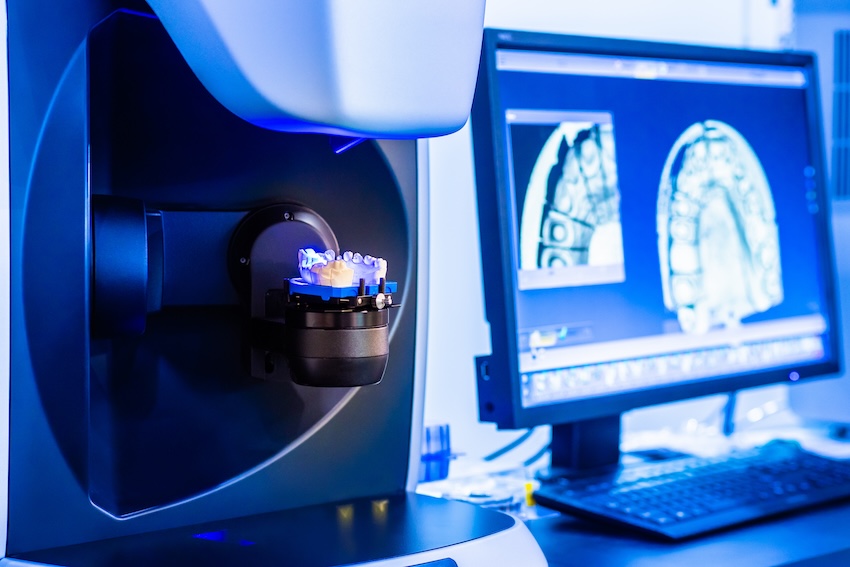
Digital Impressions
Gone are the days of messy impression materials. Digital scanning technology uses a small wand to capture thousands of images of your teeth and gums, creating a precise 3D model. Benefits include:
- More comfortable experience—no gagging on impression trays
- Greater accuracy for better-fitting restorations
- Faster turnaround time for your final teeth
- Easier communication between dentist and lab
- Ability to see a preview of your final results
Same-Day Temporary Teeth
Advanced practices can often provide temporary teeth on the same day as your implant surgery, meaning you never have to go without teeth. This is especially important for visible areas like front teeth. These temporaries are designed to look natural while protecting the healing implant from heavy chewing forces.
Qualifications That Matter: Choosing a Virginia Beach Implant Specialist
Not all dentists who place implants have the same level of training and expertise. Understanding what qualifications to look for helps Virginia Beach residents make informed choices about their care.
Essential Credentials and Training
Advanced Education: Dental implant placement requires specialized training beyond dental school. Look for dentists who have completed extensive continuing education in implantology, including hands-on surgical training. Prestigious programs like the MAXI/Implant program at the Medical College of Georgia or the Implant Residency Program at Loma Linda provide comprehensive training in implant surgery and restoration.
Board Certification: The American Board of Oral Implantology (ABOI) offers board certification—the Diplomate status. Achieving this credential requires:
- Extensive documented implant experience
- Submission of detailed case reports
- Passing rigorous written and oral examinations
- Demonstrated expertise in complex cases
- Ongoing continuing education requirements
ABOI Diplomate status is one of the most respected credentials in implant dentistry, held by only a small percentage of dentists who place implants.
Professional Society Memberships: Active membership in organizations like the American Academy of Implant Dentistry (AAID) demonstrates commitment to staying current with implant dentistry advances. The AAID’s highest honor—Fellow status—recognizes exceptional expertise and contributions to the field.
Teaching and Publishing: Implant specialists who lecture at dental schools, publish research, or contribute to textbooks have demonstrated mastery of their field. They’re recognized by their peers as experts whose knowledge extends beyond their own practice.
Questions to Ask During Your Consultation
Don’t hesitate to ask about your implant dentist’s qualifications and experience:
- What is your specific training in dental implant surgery?
- How many implants do you place annually?
- What is your personal success rate with dental implants?
- Do you hold any board certifications in implant dentistry?
- What technology do you use for implant planning and placement?
- Do you place the implant AND restore it, or do you refer out?
- What implant systems do you use and why?
- Can you provide before-and-after photos of similar cases?
- What happens if a complication occurs?
- Do you offer sedation options?
A confident, experienced implant specialist will welcome these questions and provide clear, detailed answers.
Red Flags to Watch For
Be cautious if you encounter:
- Pressure to proceed immediately without adequate consultation
- Prices significantly below market rate—quality implants and expert care have appropriate costs
- Vague answers about training or credentials
- Use of unknown or discount implant brands without explanation
- Lack of advanced imaging for treatment planning
- Unwillingness to discuss potential complications or alternatives
- No clear explanation of what’s included in the quoted price
- Limited follow-up care or unclear warranty policies
Why Specialized Expertise Matters
Dental implant surgery is both an art and a science. While many dentists have basic implant training, complex cases benefit from the depth of knowledge that comes with specialized credentials, extensive experience, and ongoing advanced education. An implant specialist who has placed thousands of implants has encountered and successfully managed a wide variety of situations, giving them the judgment and skill to handle unexpected challenges and achieve optimal outcomes.
For Virginia Beach residents, choosing a highly qualified implant specialist means better results, fewer complications, and greater confidence in your investment.
Dental Implant Candidacy: Are You a Good Fit?
Most adults are candidates for dental implants, but certain factors affect eligibility and success rates. Understanding these factors helps you know what to expect during your consultation.
Bone Density and Volume Requirements
Adequate bone is essential for implant success—the implant needs sufficient bone to anchor securely. Your jawbone must have adequate:
- Density: Bone quality affects how well the implant integrates. Dense bone provides stronger support; softer bone may require longer healing or additional planning.
- Height: Enough vertical bone dimension to accommodate the implant length
- Width: Sufficient thickness to surround the implant with healthy bone
If you’ve been missing teeth for several years, you’ve likely experienced some bone loss. This doesn’t automatically disqualify you—it may simply mean bone grafting is needed before or during implant placement. Modern grafting techniques are highly successful and have made implants possible for many patients who wouldn’t have been candidates in the past.
Health Conditions That Affect Candidacy
Diabetes: Controlled diabetes doesn’t prevent implant success, but uncontrolled diabetes can impair healing and increase infection risk. If you have diabetes, work with your physician to optimize blood sugar control before implant surgery. With proper management, diabetic patients achieve similar success rates to non-diabetic patients.
Smoking: Smoking significantly increases implant failure risk by impairing blood flow and healing. Nicotine constricts blood vessels, reducing oxygen and nutrients to the surgical site. Many implant specialists require patients to quit smoking several weeks before surgery and remain smoke-free during healing. Vaping carries similar risks.
Osteoporosis: This condition affects bone density throughout the body, including the jaw. While osteoporosis doesn’t absolutely prevent implant placement, it may affect healing time and success rates. Certain osteoporosis medications (bisphosphonates) require special consideration. Discuss your medication history thoroughly during consultation.
Heart Conditions: Most heart conditions don’t prevent implant surgery, but you may need antibiotic prophylaxis or consultation with your cardiologist. Patients with pacemakers can safely undergo implant surgery.
Autoimmune Disorders: Conditions like rheumatoid arthritis or lupus may affect healing but don’t necessarily prevent implant success. Your implant specialist will consult with your treating physician to optimize your care.
Cancer Treatment: If you’ve had radiation therapy to the head or neck, or are currently undergoing chemotherapy, timing and special precautions are needed. Radiation can affect jawbone and reduce implant success rates, but implants may still be possible with careful planning.
Age Considerations
Younger Patients: Implants should not be placed until jaw growth is complete—typically around age 18-21 for most people. For teenagers with missing teeth, temporary solutions bridge the gap until implant placement is appropriate.
Older Adults: There’s no upper age limit for dental implants. Many Virginia Beach retirees in their 70s, 80s, and even 90s successfully receive implants. As long as you’re healthy enough to undergo a routine dental extraction, you’re likely healthy enough for implant surgery. In fact, implants can significantly improve quality of life for older adults by restoring proper nutrition and confidence.
Oral Health Requirements
Before implant surgery, your mouth should be free of:
- Active Gum Disease: Periodontal infection must be treated first. Placing implants in infected tissue leads to complications and failure.
- Untreated Decay: Cavities in remaining teeth should be addressed before implant surgery to reduce oral bacteria levels.
- Infections: Any existing dental infections must be resolved before proceeding.
Good oral hygiene is essential not just for surgery but for long-term implant success. If you have a history of severe gum disease or poor hygiene, your dentist will discuss strategies for improving oral health habits before and after implant placement.
What If You’re Not an Immediate Candidate?
If your consultation reveals obstacles to immediate implant placement, don’t be discouraged. Many issues can be addressed:
- Insufficient bone: Bone grafting builds the foundation you need
- Gum disease: Periodontal treatment can restore gum health
- Health conditions: Working with your physician to optimize control may make implants possible
- Smoking: Quitting smoking improves your candidacy significantly
Your implant specialist will outline what steps are needed to become a candidate and develop a realistic timeline for your treatment.
Cost Transparency: Understanding Dental Implant Investment in Virginia Beach
Cost is a significant consideration for Virginia Beach residents exploring dental implants. Understanding what’s included, why prices vary, and how to evaluate value helps you make informed financial decisions.
What’s Included in the Total Implant Cost
A complete dental implant restoration involves multiple components, each with associated costs:
The Implant Post: The titanium screw that’s placed in your jawbone. Premium implant systems from established manufacturers (like Nobel Biocare, Straumann, or Zimmer Biomet) cost more than lesser-known brands but offer decades of research, proven success rates, and worldwide availability of replacement parts.
Surgical Placement: The expertise and time of your implant surgeon, use of the surgical suite, sterilization protocols, and surgical instruments.
Anesthesia: Local anesthesia is standard; sedation options carry additional fees but provide enhanced comfort.
Imaging and Planning: 3D CT scans, treatment planning software, and surgical guides if used.
Abutment: The connector piece between implant and crown. Custom abutments cost more than stock abutments but provide better aesthetics, especially for front teeth.
Crown or Restoration: The visible tooth portion. Quality varies based on materials (all-ceramic crowns look most natural), laboratory expertise, and customization level.
Follow-Up Care: Post-operative appointments, suture removal, restoration adjustments, and ongoing monitoring.
Possible Additional Costs:
- Tooth extraction if needed before implant placement
- Bone grafting for inadequate bone volume
- Sinus lift for upper posterior implants with insufficient bone height
- Temporary restoration during healing
- Treatment of gum disease if present
Why Prices Vary Between Virginia Beach Providers
Not all implant quotes are equivalent. Price differences reflect:
Provider Experience and Credentials: Highly trained specialists with advanced credentials typically charge more than general dentists with basic implant training. This expertise translates to better outcomes, especially for complex cases.
Implant System Quality: Premium implant brands with extensive research and proven track records cost more than discount or overseas systems. Using established brands ensures replacement parts will be available decades from now if needed.
Technology and Facility: Practices with 3D imaging, computer-guided surgery, Pearl AI diagnostics, and modern sterilization equipment have higher overhead but provide safer, more precise treatment.
Laboratory Quality: Custom restorations from skilled dental laboratories cost more than mass-produced crowns but look more natural and fit better.
Geographic Location: Virginia Beach practices in premium locations like Town Center or near the Oceanfront may have higher costs than those in outlying areas, reflecting their overhead expenses.
What’s Included: Some quotes are all-inclusive; others itemize each component separately. Make sure you’re comparing apples to apples—does the quote include the crown? Follow-up visits? What about potential complications?
The True Cost of Cheaper Alternatives
While discount implants or overseas “dental tourism” may seem attractive, consider:
- Lower-quality implant materials may have higher failure rates
- Limited or no warranty coverage if problems arise
- Difficulty finding providers willing to service implants placed elsewhere
- Lack of recourse if complications occur
- Unknown sterilization standards or safety protocols
- Language barriers affecting communication about your care
- Travel costs and time away from work for multiple trips
Dental implants are medical devices that will be in your body for decades. Choosing based solely on lowest price often leads to poor outcomes and higher long-term costs when corrections or replacements are needed.
Insurance Coverage for Dental Implants
Dental insurance coverage for implants varies widely:
Traditional Dental Insurance: Many plans consider implants elective and provide little or no coverage. However, coverage is changing as implants become the standard of care. Some plans may cover a portion of the restoration (crown) even if they don’t cover the implant itself. Review your specific policy or have your dentist’s office verify your benefits.
Medical Insurance: In certain circumstances—like implants needed due to accident, trauma, or cancer treatment—medical insurance may provide coverage. This requires thorough documentation and prior authorization.
FSA/HSA Accounts: Dental implants qualify as eligible medical expenses for Flexible Spending Accounts and Health Savings Accounts. Using pre-tax dollars effectively reduces your out-of-pocket cost.
Veterans Benefits: VA dental benefits vary based on service-connected status and other factors. Some veterans qualify for implant coverage through VA dental insurance programs. Check with your VA benefits coordinator about eligibility.
Financing Options Available in Virginia Beach
Most implant practices offer multiple payment options:
In-House Payment Plans: Many Virginia Beach dental offices offer interest-free payment plans for qualified patients, allowing you to spread costs over several months.
Healthcare Credit Cards: Services like CareCredit provide lines of credit specifically for medical and dental expenses, often with promotional interest-free periods if the balance is paid within a specified timeframe.
Third-Party Financing: Companies specializing in healthcare financing offer various term lengths and interest rates based on creditworthiness.
Dental Savings Plans: If you don’t have insurance, dental membership plans provide reduced fees in exchange for an annual membership fee.
The key is finding a financial arrangement that makes your implant investment manageable without undue stress. Quality implant practices work with patients to find solutions that fit their budgets.
Evaluating Value, Not Just Price
When comparing implant costs, consider:
- Total cost over the implant’s lifespan, not just upfront expense
- Provider credentials and experience
- Quality of materials and technology used
- Completeness of the quoted price—what’s included vs. extra
- Warranty or guarantee coverage
- Convenience and accessibility for follow-up care
- Patient reviews and outcomes
The best value comes from experienced specialists using quality materials with fair pricing—not necessarily the lowest price, but the optimal combination of cost and quality.
Life After Dental Implants: Maintenance and Longevity
Dental implants can last decades or even a lifetime with proper care. Understanding how to maintain your investment ensures you get maximum longevity from your implants.
Daily Care Routine for Implants
Caring for dental implants is remarkably similar to caring for natural teeth:
Brushing: Brush at least twice daily with a soft-bristled toothbrush. While implants can’t get cavities, the gum tissue around implants can still develop inflammation if plaque accumulates. Use gentle circular motions, paying special attention to where the crown meets the gum line. Electric toothbrushes are excellent for implant care—just avoid excessive pressure.
Flossing: Daily flossing around implants is essential for gum health. Use unwaxed floss, implant-specific floss, or floss threaders if you have implant-supported bridges. Take your time and be thorough—flossing removes bacteria and food particles that brushing misses.
Water Flossing: Water flossers (like Waterpik) are particularly effective around implants. The pulsating water stream cleans areas that are difficult to reach with traditional floss, especially around implant abutments and under implant bridges.
Antimicrobial Rinse: If recommended by your dentist, use an antimicrobial mouthwash to reduce bacteria levels. This is especially important if you have a history of gum disease.
Avoid Harmful Habits:
- Don’t chew ice, hard candy, or other extremely hard objects that could damage crowns
- Avoid using teeth as tools (opening packages, biting nails)
- If you grind your teeth, wear a night guard to protect both implants and natural teeth
- Don’t smoke—smoking dramatically increases long-term implant complications
Professional Maintenance Requirements
Regular Cleanings: Schedule professional cleanings every six months, or more frequently if recommended. Dental hygienists use specialized instruments safe for implants to remove calculus buildup without scratching or damaging the implant or restoration.
Periodic X-Rays: Your dentist will take X-rays periodically (typically annually) to monitor bone levels around implants. Stable bone indicates healthy, successful implants. Any bone loss detected early can often be addressed before it becomes serious.
Professional Examination: At each checkup, your dentist will:
- Check implant stability
- Assess gum tissue health around implants
- Examine the restoration for wear, cracks, or loosening
- Verify your bite remains properly aligned
- Look for any signs of complications
What Can Affect Implant Longevity
Factors That Support Long-Term Success:
- Excellent daily oral hygiene
- Regular professional dental care
- Non-smoking status
- Well-controlled chronic health conditions
- Adequate bone support
- Properly distributed bite forces
- Use of night guard if you grind teeth
Factors That Can Compromise Implant Health:
- Poor oral hygiene leading to peri-implantitis (inflammation around implants)
- Smoking or tobacco use
- Uncontrolled diabetes
- Heavy teeth grinding without protection
- Missed dental appointments and lack of monitoring
- Severe gum disease affecting surrounding tissues
Warning Signs to Watch For
Contact your Virginia Beach dentist promptly if you notice:
- Implant feels loose or mobile
- Pain, swelling, or redness around the implant
- Pus or discharge near the implant site
- Gum recession exposing the implant
- Persistent bad taste or odor around the implant
- Crown feels loose or shifts
- Changes in your bite or how teeth fit together
- Difficulty chewing on the implant side
Most complications are easily treatable when caught early. Don’t delay seeking care if something doesn’t feel right.
Crown Replacement vs. Implant Replacement
It’s important to understand that the crown (visible tooth) may need replacement eventually due to normal wear and tear, but this doesn’t mean the implant itself has failed. Crowns typically last 10-15 years before wear, chipping, or changes in your mouth warrant replacement. Replacing just the crown is straightforward and much less involved than the original implant surgery.
The titanium implant itself, if properly maintained, can last indefinitely. Most implant “failures” are actually crown issues or gum tissue problems, not implant failure.
Making Implants Last 20+ Years
Long-term implant success comes down to partnership between you and your dental team:
- You commit to excellent daily hygiene and healthy habits
- Your dental team provides expert monitoring and maintenance
- Problems are addressed promptly when they arise
- Regular checkups catch small issues before they become serious
Many Virginia Beach patients with implants placed 20 or even 30 years ago still have perfectly functioning implants—proof that with proper care, implants truly can last a lifetime.
Special Considerations for Military Families and Veterans
Virginia Beach’s large military population has unique needs when it comes to dental implants. Understanding available benefits and how to coordinate care makes the process smoother.
VA Dental Benefits and Implant Coverage
Veterans’ dental benefits vary significantly based on several factors:
100% Service-Connected Disability: Veterans with 100% service-connected disability rating qualify for comprehensive VA dental care, which may include dental implants when deemed medically necessary. The VA determines medical necessity based on functional need, oral health impact, and overall health considerations.
Service-Connected Dental Conditions: If your tooth loss or dental problems are directly service-connected (resulted from service-related injury or condition), you may qualify for treatment of that specific condition, potentially including implants.
VA Dental Insurance Program (VADIP): Veterans enrolled in VA healthcare can purchase dental insurance through the VA Dental Insurance Program. Coverage varies by plan, and implants may have specific limitations or waiting periods.
Limited VA Dental Care: Some veterans qualify for specific one-time dental treatments within 180 days of discharge, or treatment related to certain conditions. This typically doesn’t include elective implants but may cover medically necessary tooth replacement.
Camp Lejeune Veterans: Veterans exposed to contaminated water at Camp Lejeune may qualify for dental care related to conditions presumed to be connected to that exposure.
The key is understanding your specific eligibility. Contact your VA benefits coordinator or visit the VA dental benefits website to determine what coverage you qualify for. Many Virginia Beach veterans find they have at least partial coverage for implant treatment.
Tricare and Dental Implants
Active Duty: Active duty service members receive comprehensive dental care through military dental facilities. However, dental implants are typically not covered unless deemed medically necessary due to trauma or service-related injury. Cosmetic or elective tooth replacement usually isn’t covered.
Tricare Retired: Retired service members can purchase Tricare Dental Program (TDP) coverage. These plans may provide partial coverage for implants, though coverage is often limited compared to other procedures. Review your specific plan documents for details on implant coverage, annual maximums, and copayments.
Dependents: Military dependents covered under Tricare or TDP should review their specific plan coverage. Coverage varies based on plan type and whether the implant is considered restorative or cosmetic.
Flexible Scheduling for Active Duty Personnel
Active duty service members near NAS Oceana and Naval Station Norfolk face scheduling challenges due to duty requirements, deployments, and training schedules. Virginia Beach implant practices experienced with military patients typically offer:
- Early morning or late afternoon appointments to work around duty hours
- Flexible rescheduling policies understanding that military obligations sometimes require last-minute changes
- Efficient appointment scheduling to minimize time away from work
- Willingness to condense treatment timeline when deployment is approaching
- Saturday appointments for service members who can’t take time during the week
Deployment Timing Considerations
If you’re facing an upcoming deployment, timing is crucial:
Pre-Deployment: Starting implant treatment shortly before deployment isn’t ideal, as you need to be available for follow-up care during the healing period. If deployment is imminent, consider waiting until after return, or at minimum, complete at least the initial surgery and first month of healing before deploying.
Post-Deployment: Many service members choose to pursue implant treatment shortly after returning from deployment, taking advantage of being stateside for the several-month treatment timeline.
Between Deployments: If you have adequate time between deployments (typically 6+ months), implant treatment can usually be completed. Discuss your schedule with your implant specialist during consultation to create a realistic timeline.
Coordination of Care for Relocating Military Families
Military families often relocate during treatment. If PCS orders come through:
- Inform your Virginia Beach dentist immediately
- Request copies of all records, X-rays, and treatment plans
- Get detailed information about your implant brand and components
- Ask for referrals to qualified implant dentists near your new duty station
- Understand what stage of treatment you’ve completed and what remains
- Clarify any warranty or guarantee coverage that transfers
Most reputable implant practices will work to ensure seamless transfer of care, providing the receiving dentist with all necessary information to continue your treatment.
Support Resources for Military Members
Hampton Roads has robust support systems for military dental needs:
- VA Medical Center in Hampton provides dental services for eligible veterans
- Naval Dental Clinic at Naval Station Norfolk serves active duty personnel
- NAS Oceana Dental Clinic provides care for personnel at that installation
- Veterans Service Organizations can help navigate benefits questions
- Military OneSource offers resources about Tricare dental coverage
Virginia Beach implant practices that regularly treat military families understand these resources and can often help coordinate benefits or answer questions about coverage.
Common Concerns and Misconceptions About Dental Implants
Many Virginia Beach residents have questions or concerns about dental implants based on outdated information or myths. Let’s address the most common ones.
“Dental Implant Surgery Must Be Extremely Painful”
The Reality: Most patients are surprised by how comfortable the implant procedure is. With proper local anesthesia, you shouldn’t feel pain during surgery—perhaps pressure or vibration, but not sharp pain. Post-operative discomfort is typically mild to moderate and well-controlled with over-the-counter pain relievers. Many patients compare the recovery to a tooth extraction—manageable discomfort that resolves within a few days.
The key factors that keep implant surgery comfortable:
- Effective local anesthesia numbs the surgical area completely
- Sedation options provide additional relaxation if desired
- Modern surgical techniques are minimally invasive
- Post-operative medication controls inflammation and discomfort
- Detailed care instructions help you manage recovery at home
“Everyone Will Know I Have Implants”
The Reality: Modern dental implants are virtually indistinguishable from natural teeth. The custom crowns are designed to match your natural tooth color, shape, and size precisely. They emerge from your gums the same way natural teeth do. Even dentists often can’t identify implants visually without taking X-rays.
Your Virginia Beach coworkers, family, and friends won’t know you have implants unless you tell them. Many patients report that their implants look better than their natural teeth because they’re designed with ideal proportions and aesthetics.
“Dental Implants Can Fail”
The Reality: While it’s true that implants can fail, the success rate is 95-98%—meaning implant failure is uncommon. Understanding the difference between implant complications and implant failure is important:
Early Complications: Most issues occur during the initial healing period and are often treatable:
- Infection at the surgical site (prevented with antibiotics and proper care)
- Inadequate bone integration (may require implant replacement)
- Nerve damage (rare with proper planning and 3D imaging)
Late Complications: Long-term issues are usually related to maintenance:
- Peri-implantitis (inflammation around implants due to poor hygiene)
- Mechanical complications (crown loosening or breaking)
- Bone loss around implants (often preventable with good care)
The vast majority of implants succeed and function for decades. Choosing an experienced specialist and maintaining excellent oral hygiene dramatically reduces your risk of complications.
“Implants Are Only for Older People”
The Reality: Dental implants are appropriate for anyone who has completed jaw growth (typically late teens/early twenties) and needs permanent tooth replacement. Young adults in Virginia Beach commonly receive implants after accidents, injuries, or for congenitally missing teeth. Active, health-conscious younger patients often prefer implants precisely because they want a permanent solution that supports their active lifestyle.
“I’m Too Old for Dental Implants”
The Reality: There’s no upper age limit for dental implants. If you’re healthy enough to have a tooth extracted, you’re generally healthy enough for implant surgery. Many Virginia Beach retirees in their 70s, 80s, and beyond successfully receive implants. Age alone doesn’t determine candidacy—overall health and bone quality matter more. Implants can significantly improve quality of life for older adults by restoring proper nutrition and confidence.
“Dental Implants Set Off Airport Security”
The Reality: Dental implants do not trigger airport metal detectors. While implants are metal (titanium), the amount is far too small to set off security systems. Millions of people with implants travel regularly without issues. You don’t need special documentation or medical letters to fly with dental implants.
“I Can’t Have an MRI with Dental Implants”
The Reality: Titanium dental implants are completely safe for MRI scans. Titanium is non-ferromagnetic, meaning it’s not affected by magnetic fields. However, certain dental restorations (not the implant itself) might cause minor image distortion in the immediate area, but this doesn’t affect most diagnostic imaging and doesn’t pose any safety risk.
“Implants Are Too Expensive—I Should Just Get Dentures”
The Reality: While implants have a higher upfront cost, they’re often more economical long-term. Dentures need replacement every 5-10 years, require frequent adjustments, and may need adhesives. Over 20+ years, the cumulative cost of dentures can exceed implants. More importantly, dentures accelerate bone loss, leading to poor fit and facial changes. Implants preserve bone, maintain facial structure, and don’t require replacement—making them the better investment for most patients.
“Bone Grafting Makes Implants Too Complicated”
The Reality: Bone grafting is a routine procedure that many Virginia Beach implant patients undergo. It’s highly predictable and successful. While grafting adds time to your treatment, it creates the foundation for successful, long-lasting implants. The alternative—attempting implants in inadequate bone or accepting dentures—is less favorable. Most patients find that bone grafting is simpler and more comfortable than they anticipated.
“I’ve Had This Missing Tooth for Years—It’s Too Late for an Implant”
The Reality: It’s rarely “too late” for dental implants, though extended tooth loss does present challenges. When teeth have been missing for years, bone loss has usually occurred. This may mean you need bone grafting before implant placement. However, modern grafting techniques can rebuild bone in most cases. Even patients who’ve been told previously they weren’t candidates often find that advances in implant dentistry have made treatment possible.
Virginia Beach Dental Implant Resources
Professional Organizations
American Academy of Implant Dentistry (AAID): The premier professional organization for dentists specializing in dental implants. The AAID website offers patient education resources about implants, information about credentialing, and a provider directory. Visit www.aaid-implant.org
American Board of Oral Implantology (ABOI): The only board that provides certification in dental implants for general dentists and specialists. Board certification (Diplomate status) represents the highest level of competency in implant dentistry. Learn more at their official website.
Patient Education Resources
Educating yourself about dental implants helps you make informed decisions:
- Review before-and-after photo galleries to see realistic implant results
- Read patient testimonials from other Virginia Beach residents who’ve undergone treatment
- Watch educational videos explaining the implant process step-by-step
- Download patient guides about implant care and maintenance
- Access frequently asked questions resources
Insurance Verification Guidance
Understanding your dental insurance coverage can be confusing. Before your consultation:
- Call your insurance company and ask specifically about implant coverage
- Find out if they distinguish between the implant surgery and the restoration (crown)
- Ask about annual maximum benefits and whether implants apply to that maximum
- Inquire about waiting periods or missing tooth clauses
- Request written verification of benefits to bring to your consultation
Most Virginia Beach implant practices will verify your benefits for you, but having this information beforehand can speed the process.
Pre-Consultation Checklist
Prepare for your implant consultation by bringing:
- List of all medications you take (including vitamins and supplements)
- Complete medical history including surgeries and chronic conditions
- Recent dental X-rays if available from previous dentist
- Insurance information and cards
- List of questions you want to ask
- Photo ID and payment method for consultation fee if applicable
- Information about your goals and concerns
Why Location Matters: Choosing a Virginia Beach Implant Provider
While you might be tempted to travel for “cheaper” implants or dental tourism packages, choosing a local Virginia Beach provider offers significant advantages.
Benefits of Local Care
Convenience for Multiple Appointments: Implant treatment requires several visits over several months. Having your implant dentist nearby in Virginia Beach makes scheduling and attending these appointments much easier than driving hours or flying to another location.
Continuity of Care: Building a relationship with a local dentist means someone who knows your case intimately is always available. Your implant dentist understands your unique anatomy, your health history, and the specifics of your treatment. This continuity leads to better outcomes and more personalized care.
Emergency Access: If you experience any issues or complications after surgery, having your implant specialist nearby in Hampton Roads means you can be seen quickly. Dental emergencies don’t wait for convenient times, and having local care provides peace of mind.
Long-Term Monitoring: Implants require periodic monitoring throughout their lifetime. Your local Virginia Beach dentist can track your implants over decades, catching potential issues early and ensuring long-term success.
Integration with Overall Dental Care: When your implant specialist practices locally, they can coordinate with your general dentist or other specialists, ensuring your entire dental care team works together effectively.
Hampton Roads Community Connection
Choosing a Virginia Beach implant provider means supporting the local community and receiving care from professionals who understand the area’s unique demographics—military families, retirees, ODU students, and longtime residents. Local dentists are invested in their reputation within the community and build practices based on word-of-mouth referrals from satisfied neighbors.
Your Virginia Beach implant dentist understands the lifestyle here—the active outdoor culture, the importance of looking and feeling your best in a beach community, and the specific needs of Hampton Roads residents. This local understanding translates to better patient care and outcomes.
Accountability and Recourse
When you choose local care, you have recourse if problems arise. Virginia Beach providers are licensed in Virginia, regulated by the Virginia Board of Dentistry, and accountable to local professional standards. If you travel elsewhere for treatment—especially overseas—you have limited options if complications occur or results are unsatisfactory.
Ready to Restore Your Smile? Next Steps
Understanding dental implants is the first step toward transforming your oral health and quality of life. If you’re ready to explore whether dental implants are right for you, here’s how to move forward.
How to Schedule Your Consultation
The consultation is your opportunity to meet your implant specialist, discuss your specific situation, and create a personalized treatment plan. Most Virginia Beach implant practices offer:
- Phone Scheduling: Call during business hours to speak with a scheduling coordinator who can answer basic questions and find appointment times that work with your schedule.
- Online Booking: Many practices offer online scheduling through their websites, allowing you to request appointments 24/7.
- Virtual Consultations: Some Virginia Beach providers offer initial video consultations for patients who want to discuss their case before scheduling an in-person visit.
Don’t let anxiety or uncertainty delay your consultation. The first meeting is informational—there’s no pressure to proceed immediately. It’s simply an opportunity to learn about your options and make an informed decision.
What to Bring to Your First Appointment
Come prepared to make the most of your consultation time:
- Insurance cards (dental and medical)
- Photo identification
- List of all current medications including dosages
- Medical history information including conditions and surgeries
- Recent dental records or X-rays if available
- Payment method for consultation fee if applicable
- Written list of your questions and concerns
- Information about your goals—what you hope to achieve with implants
Questions to Prepare
Your consultation is the perfect time to get answers. Consider asking:
- Am I a good candidate for dental implants based on my situation?
- What type of implant restoration do you recommend for me?
- What is the complete timeline from start to finish?
- What preparatory procedures do I need, if any?
- What are the total costs, and what’s included in that price?
- What financing options do you offer?
- Will I have temporary teeth during the healing period?
- What should I expect during recovery?
- What is your personal success rate with dental implants?
- How will you monitor my implants long-term?
- What happens if a complication occurs?
- Can you show me examples of similar cases you’ve completed?
What Your Consultation Will Include
A comprehensive implant consultation typically involves:
Medical and Dental History Review: Your implant specialist will review your overall health, medications, previous dental work, and any conditions that might affect implant treatment.
Clinical Examination: A thorough examination of your mouth, teeth, gums, and jaw assesses your current oral health and candidacy for implants.
Diagnostic Imaging: Digital X-rays or 3D CT scans provide detailed information about your bone structure, density, and anatomy. Advanced practices may use Pearl AI to enhance diagnostic accuracy.
Treatment Discussion: Your specialist will explain which type of implant restoration suits your needs—single tooth implant, implant bridge, implant-supported dentures, or All-on-4.
Customized Treatment Plan: You’ll receive a detailed plan outlining each step of your treatment, the timeline, and what to expect at each stage.
Cost Breakdown: A comprehensive quote detailing all costs involved, what’s included, and available payment options.
Question and Answer Session: Time to address all your concerns and questions about the procedure, recovery, and outcomes.
Making Your Decision
After your consultation, take time to consider:
- Did you feel comfortable with the implant specialist and staff?
- Were your questions answered thoroughly and clearly?
- Does the treatment plan make sense for your situation?
- Is the investment manageable with available financing?
- Do you feel confident in the provider’s expertise and experience?
- Are you ready to commit to the treatment timeline?
There’s no rush to decide immediately. Reputable implant practices want you to feel confident and comfortable with your choice. Take time to process the information, discuss it with family if desired, and reach out with follow-up questions.
Moving Forward with Treatment
Once you decide to proceed with dental implants:
- Schedule your first treatment appointment
- Complete any required pre-operative medical clearances
- Fill prescriptions for post-operative medications if provided in advance
- Arrange transportation for surgery day if sedation is used
- Plan for time off work if needed for recovery
- Stock your kitchen with soft foods for the first week
- Follow all pre-operative instructions provided by your dental team
Transform Your Life with Dental Implants in Virginia Beach
Dental implants offer Virginia Beach residents more than just replacement teeth—they provide renewed confidence, improved health, and the freedom to live life fully without worrying about your smile. Whether you’re enjoying fresh seafood at the Oceanfront, staying active at First Landing State Park, or pursuing your career at Town Center, dental implants support the active, vibrant lifestyle that makes Hampton Roads such a special place to live.
The decision to invest in dental implants is a decision to invest in yourself. It’s choosing long-term health over temporary fixes, choosing confidence over self-consciousness, and choosing quality of life over compromise.
Thousands of Virginia Beach residents have already discovered the life-changing benefits of dental implants. They’re eating foods they’d given up, smiling without hesitation, and enjoying the confidence that comes with a complete, natural-looking smile. They’re not worrying about dentures slipping during important moments or avoiding social situations due to missing teeth.
Your journey to a restored smile begins with a single step—scheduling your consultation. There’s no obligation, no pressure—just the opportunity to learn about your options and discover what’s possible.
Take the Next Step Today
If you’re ready to explore dental implants in Virginia Beach, learn more about our dental implant services and discover why Hampton Roads residents trust The Foleck Center for their tooth replacement needs.
Our experienced team combines advanced technology like Pearl AI diagnostics, 3D imaging, and computer-guided surgery with compassionate care to deliver exceptional results. We serve patients throughout Virginia Beach, Chesapeake, Norfolk, Portsmouth, and all of Hampton Roads.
Ready to schedule your consultation? Contact The Foleck Center today to take the first step toward your new smile. We offer flexible scheduling, comprehensive financing options, and the expertise you deserve for this important investment in your oral health.
Your smile transformation awaits. Don’t let another day go by wishing you had taken action. The sooner you begin your dental implant journey, the sooner you’ll experience the confidence, comfort, and quality of life that comes with a complete, beautiful smile.
Call our Virginia Beach office or book your consultation online today. We look forward to helping you restore your smile and reclaim your confidence with dental implants.