
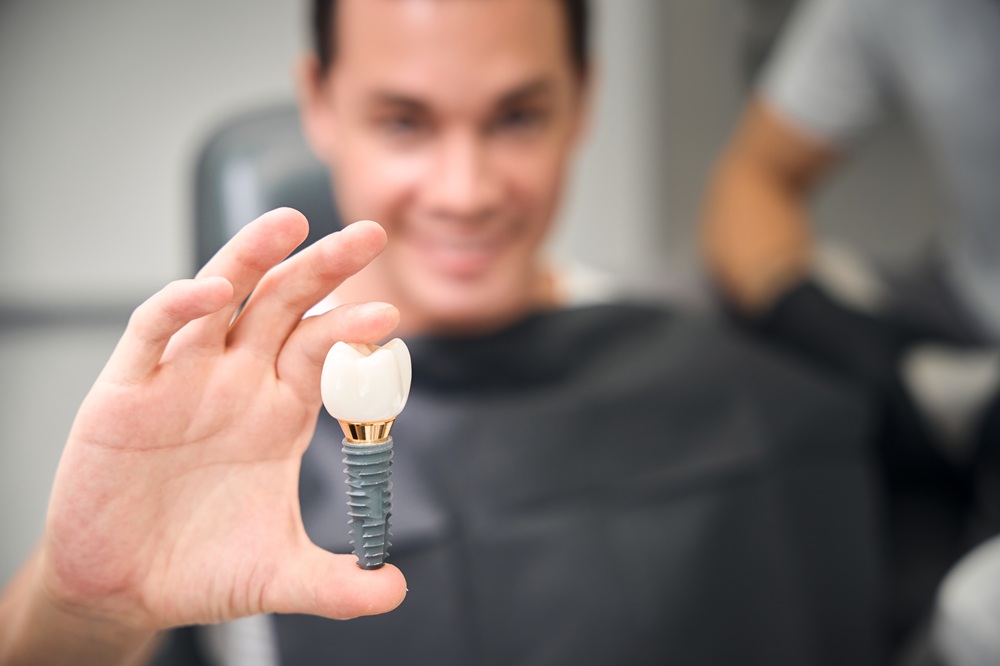
Understanding What “One-Day Dental Implants” Really Means
Patients throughout the Tidewater Virginia area often hear the term “one-day” or “same-day” tooth replacement and assume the entire implant process is completed in a single visit. In reality, the phrase can describe different steps of treatment rather than a finished result. At The Foleck Center, clarity is a key part of restorative dentistry, especially when discussing modern dental implants.
Traditional dental implants usually involve placing the implant first, allowing time for healing, and then attaching the final restoration later. Some same-day procedures allow a temporary tooth to be placed shortly after surgery, giving patients an immediate cosmetic improvement. However, the long-term success of dental implants still depends on proper healing, bone support, and individualized planning.
Marketing terms like “one day” can be misleading without context. While certain patients may qualify for immediate solutions, others need a staged approach to protect oral health and durability. The Foleck Center focuses on personalized restorative dentistry, ensuring that each treatment plan balances convenience with long-lasting results.
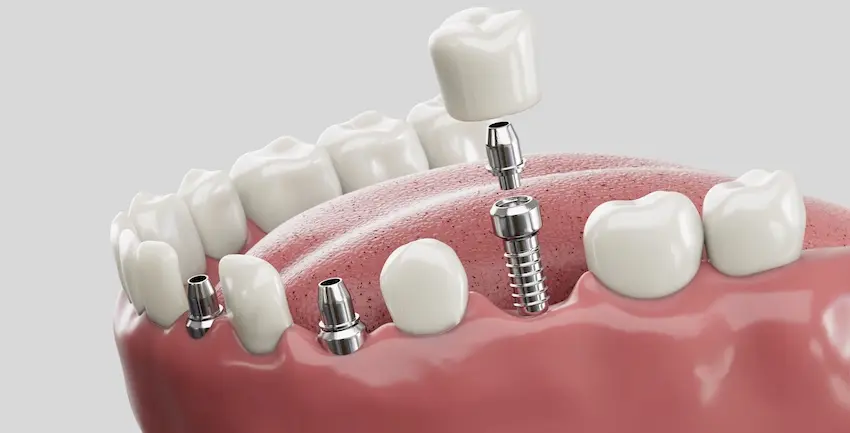
The Technology That Makes Same-Day Implants Possible
Advances in modern dentistry have made it possible for some patients to receive dental implants and temporary restorations in a much shorter timeframe than in the past. These innovations do not change the biological foundations of healing, but they do improve precision, efficiency, and patient experience. At The Foleck Center, technology plays a central role in delivering predictable results through advanced restorative dentistry.
Digital Imaging and 3D Treatment Planning
Same-day implant procedures rely heavily on detailed digital imaging. Three-dimensional scans allow the dental team to evaluate bone density, nerve positioning, and bite alignment before treatment begins. This level of planning supports safer implant placement and helps determine whether a patient is a candidate for immediate solutions. Digital planning is now a cornerstone of high-quality restorative dentistry, especially when coordinating dental implants with aesthetic outcomes.
Guided Implant Placement Systems
Guided placement technology translates digital plans into precise surgical execution. Custom guides help position implants at the correct depth and angle, reducing variability and supporting long-term stability. For patients receiving dental implants, this approach enhances accuracy while minimizing trauma to surrounding tissue, an important factor in same-day and staged procedures alike.
Temporary Prosthetics and Immediate-Load Techniques
In certain cases, temporary prosthetics can be attached shortly after implant placement. These provisional restorations are designed to protect healing implants while restoring appearance and basic function. Immediate-load techniques are carefully selected based on bone quality and bite forces, reinforcing the principle that successful dental implants depend on individualized planning within comprehensive restorative dentistry.
Who Is a Candidate for One-Day Dental Implants
Same-day solutions can be an excellent option for the right patient, but they are not appropriate for everyone. Successful outcomes depend on careful evaluation, precise planning, and an honest assessment of oral and overall health. At The Foleck Center, candidacy for dental implants is determined through a comprehensive approach grounded in advanced dentistry, not marketing promises.
Bone Density and Jaw Structure Requirements
Adequate bone support is one of the most important factors when considering one-day implant procedures. The jaw must be strong enough to stabilize the implant immediately without compromising healing. Patients with sufficient bone volume and favorable jaw anatomy are more likely to qualify for immediate-load dental implants, while others may benefit from preparatory treatments as part of a phased restorative dentistry plan.
Oral Health and Gum Condition Factors
Healthy gums and a stable oral environment are essential for implant success. Active gum disease, untreated infections, or unresolved dental issues can interfere with healing and long-term stability. Before placing dental implants, providers evaluate gum tissue health, bite alignment, and existing restorations to ensure the foundation supports predictable results within modern dentistry standards.
Medical Considerations That Affect Eligibility
Overall health also plays a role in determining candidacy. Certain medical conditions, medications, or lifestyle factors may influence healing time and implant integration. These considerations do not automatically disqualify patients, but they may affect whether a same-day approach or a more gradual process is recommended. At The Foleck Center, treatment plans for dental implants are customized to align oral health goals with individual medical needs.
How the One-Day Implant Process Works
A same-day implant approach follows a carefully planned sequence designed to balance efficiency with long-term success. While the timeline may feel shorter to patients, the process relies on detailed evaluation and precise execution. At The Foleck Center, each step is guided by advanced restorative dentistry principles to ensure that dental implants placed in a single visit support lasting oral health.
Initial Consultation and Diagnostic Planning
The process begins with a comprehensive consultation that includes digital imaging and a detailed review of oral and medical history. These diagnostics help determine whether a patient is a candidate for immediate placement and guide the design of the restoration. Thorough planning is a key part of successful restorative dentistry, ensuring that dental implants are positioned for both function and aesthetics.
Implant Placement and Temporary Restoration
On the day of treatment, the implant is carefully placed into the jaw, followed by the attachment of a temporary restoration when appropriate. This provisional tooth is designed to restore appearance while protecting the implant during early healing. Even in same-day cases, dental implants are placed with long-term stability in mind, reflecting the careful standards of modern dentistry.
Post-Procedure Stabilization and Care Planning
After placement, attention shifts to stabilization and ongoing care. Patients receive guidance on oral hygiene, dietary adjustments, and follow-up visits to monitor healing. This phase ensures that the implant integrates properly and that the final restoration can be placed at the right time. At The Foleck Center, post-procedure planning is an essential part of the restorative dentistry process, helping patients achieve durable, confident results with their dental implants.
Situations Where One-Day Implants Are Not Recommended
Same-day treatment can be an excellent option for some patients, but clinical factors sometimes make a staged approach the better choice. Long-term success with dental implants depends on stability, healthy tissues, and balanced bite forces—key principles of effective restorative dentistry. At The Foleck Center, recommendations are based on these fundamentals rather than speed alone.
One-day implant procedures may be postponed or avoided when the following conditions are present:
- Insufficient bone support or bone loss that prevents immediate implant stability, often requiring grafting or site development before placing dental implants
- Active infection or gum disease must be treated first to create a healthy foundation for implant integration within comprehensive dentistry
- Complex bite or alignment concerns that could place excess force on newly placed implants, increasing the risk of complications
In these situations, a phased treatment plan allows the jaw, gums, and bite to be optimized before implant placement. This approach supports predictable healing and helps ensure that dental implants perform comfortably and reliably over time. The Foleck Center prioritizes long-term success in restorative dentistry, guiding patients toward the option that best protects their oral health and investment.
One-Day Implants vs. Traditional Implant Timelines
Choosing between an accelerated approach and a conventional schedule depends on biology, goals, and long-term planning. Both paths rely on the same fundamentals of dentistry, but they differ in timing and sequencing. At The Foleck Center, patients receive clear guidance on how each option supports durable results with dental implants.
Healing Phases and Osseointegration
Traditional timelines allow a dedicated healing period for osseointegration—the process where bone bonds to the implant—before any biting forces are introduced. One-day protocols may place a provisional tooth sooner, but they still respect healing biology by carefully managing load and stability. In both approaches, successful dental implants depend on controlled healing and precise placement within comprehensive restorative dentistry.
Temporary Versus Permanent Restorations
Same-day treatments typically use a temporary restoration designed to protect the implant while restoring appearance. Traditional schedules delay restoration until healing is complete, then place the final crown. The difference is not the result, but the sequence. Permanent restorations follow once tissues stabilize, ensuring dental implants function comfortably and predictably over time.
Long-Term Stability Considerations
Long-term success hinges on bone quality, bite forces, and maintenance—not speed alone. For some patients, immediate temporization fits well; for others, a staged plan reduces risk. By aligning timelines with individual anatomy and goals, The Foleck Center applies restorative dentistry principles that prioritize longevity, comfort, and confidence with dental implants.
Safety, Success Rates, and Long-Term Outcomes
Advances in modern treatment planning have significantly improved outcomes for patients considering implant-based solutions. Safety and longevity depend less on speed and more on careful evaluation, precise execution, and ongoing care. At The Foleck Center, every treatment plan is built around these principles to support reliable results in comprehensive restorative dentistry.
Clinical Success Factors
Successful outcomes rely on a combination of proper case selection, accurate placement, and controlled healing. Bone quality, gum health, bite balance, and overall oral hygiene all play meaningful roles. When these factors align, dental implants can provide predictable function and appearance over the long term. Attention to these fundamentals helps reduce complications and supports stable integration.
Risk Management and Complication Prevention
Managing risk begins before treatment even starts. Thorough diagnostics and individualized planning allow providers to anticipate challenges and adapt techniques accordingly. During treatment, precision and adherence to established protocols help protect surrounding structures and promote healing. These safeguards are central to high-quality restorative dentistry, ensuring that implant-based care remains both safe and effective.
The Importance of Follow-Up Care
Long-term success does not end once treatment is complete. Routine follow-up visits allow providers to monitor healing, evaluate bite forces, and address minor concerns before they become larger issues. Consistent maintenance and professional oversight help extend the lifespan of dental implants and preserve oral health. At The Foleck Center, ongoing care is viewed as a critical part of achieving lasting outcomes in restorative dentistry.
Planning the Right Implant Approach for Your Needs
Choosing the right approach is less about finding the fastest option and more about finding the option that fits your health, goals, and long-term expectations. Every patient’s situation is different, which is why treatment decisions should be based on clinical findings rather than generalized timelines. At The Foleck Center, planning focuses on clarity, comfort, and outcomes that hold up over time when considering dental implants.
Personalized Treatment Strategies
Effective care begins with a thorough evaluation of oral health, bone structure, bite alignment, and overall medical history. These factors guide whether an immediate solution, a phased approach, or preparatory care makes the most sense. By tailoring the plan to the individual, implant treatment can be aligned with both functional needs and aesthetic goals, rather than forcing a one-size-fits-all solution.
Balancing Speed, Safety, and Long-Term Results
While some patients value a shorter treatment timeline, long-term success remains the priority. In certain cases, moving too quickly can compromise stability or healing. A well-planned approach weighs convenience against biological readiness, ensuring that dental implants are placed in a way that supports comfort, durability, and predictable performance years down the line.
Setting Realistic Expectations
Clear expectations help patients feel confident throughout the process. Understanding what happens during each phase, what results to expect, and how long healing may take reduces uncertainty and supports better outcomes. At The Foleck Center, education is part of treatment planning, empowering patients to choose an implant path that reflects their needs while supporting lasting oral health.
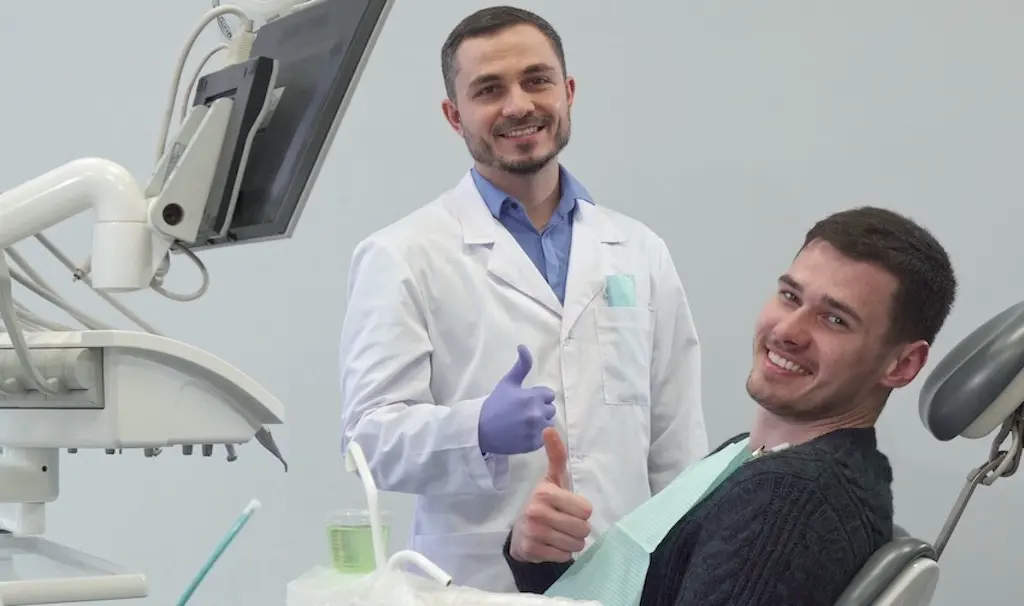
How The Foleck Center Guides Patients Through Implant Decisions
Deciding on the right approach for dental implants involves thoughtful planning and clear communication. Patients across the Tidewater Virginia area—including Virginia Beach, Norfolk, Chesapeake, and communities along I-64—often seek guidance on timing, comfort, and long-term outcomes. At The Foleck Center, implant decisions are guided by education, precision, and personalized care rooted in advanced restorative dentistry.
Each patient begins with a comprehensive evaluation that considers oral health, bone support, bite alignment, and individual goals. Clear explanations help patients understand how dental implants work, what different timelines involve, and which options best support lasting results. Technology such as digital imaging and guided planning enhances accuracy, while ongoing support—from consultation through recovery—helps protect healing and long-term success.
If you are considering dental implants and want guidance tailored to your needs, contact The Foleck Center to schedule a consultation at [phone]. A personalized evaluation can help you explore your options and choose an implant approach designed for comfort, durability, and confidence.