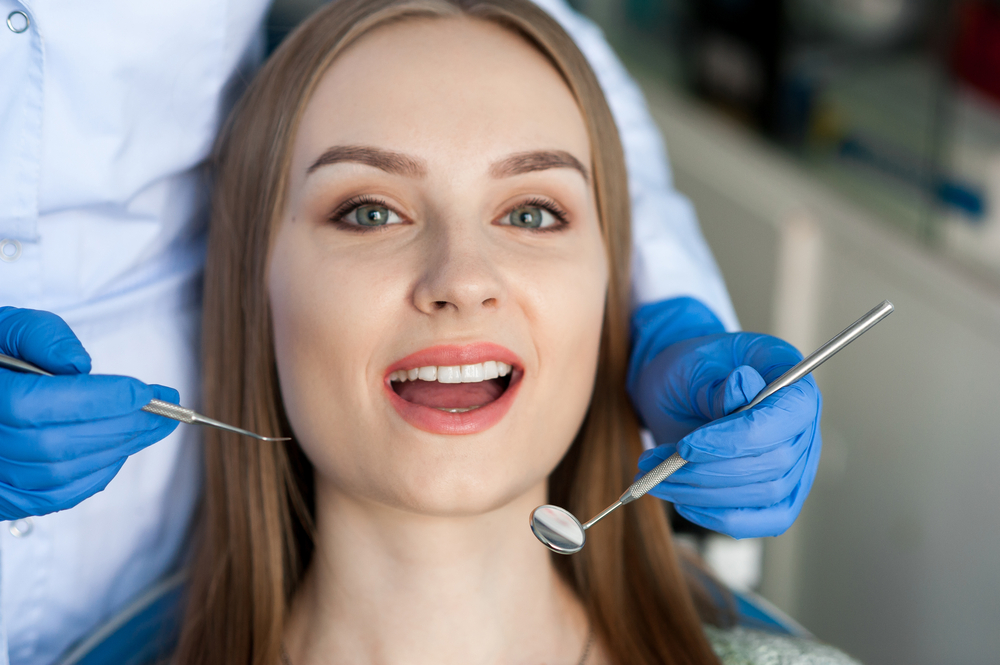
Endodontics

At The Foleck Center, Dr. Adam Foleck, DMD, and his team specialize in endodontics, the branch of dentistry focused on treating the inside of your tooth, specifically the pulp that houses nerves and blood vessels. When this pulp becomes infected by deep decay or damaged by a crack or fracture, root canal therapy removes the compromised tissue and seals the tooth to prevent further infection.

This treatment lets you keep your natural tooth rather than face an extraction, helping you avoid the gaps, shifting, and bone loss that often follow tooth loss. We serve patients from Norfolk, Virginia Beach, Hampton Kecoughtan, and Hampton Coliseum, offering convenient access to comfortable, effective root canal therapy close to home.


Do you have a sharp, persistent toothache that doesn’t go away?

Tooth pain tends to get attributed to whatever seems most obvious: a recent filling, something you ate, a cold coming on. Below is a more reliable way to read what your tooth is actually telling you.

Is a root canal right for you?

Tooth pain that lingers, worsens when you bite down, or flares with hot and cold can be more than a passing irritation. Recognizing these signals early helps you understand whether the issue lies inside the tooth itself. Here’s what to consider before deciding on your next step.

Benefits of Endodontics

The case for a root canal is usually framed around avoiding extraction. The advantages extend well past that single comparison. Here’s the fuller picture.

Immediate, Lasting Pain Relief

Persistent tooth pain rarely resolves on its own, and it can disrupt eating, sleeping, and daily life. Root canal therapy removes the source of that pain directly, giving you noticeable relief as soon as the infected tissue is gone. Most patients feel dramatically better within a day or two. You get your comfort back without waiting weeks for a problem to run its course.

Keeps Your Natural Bite and Smile Intact

Your natural tooth fits your bite and matches your smile in a way no replacement can fully copy. Root canal therapy preserves the tooth’s original shape, color, and position, so nothing about your smile changes. Neighboring teeth stay put instead of shifting into a gap. It’s the closest thing to your tooth simply healing itself.

Treatment and Crown Placement Under One Roof

Because The Foleck Center has an in-house dental lab, your root canal and the crown that follows it can often be handled without bouncing between offices. This keeps your care coordinated and cuts down on the number of separate appointments you need to schedule. You spend less time managing logistics and more time getting back to normal.

Fewer Follow-Up Procedures Down the Road

A properly treated and restored tooth typically needs nothing more than the same checkups and cleanings as the rest of your teeth. Replacement options like bridges and implants, by contrast, often need adjustments or replacement over the years. Choosing endodontics now can mean a simpler dental routine later. Less upkeep means more time focused on your life, not your dental calendar.

Backed by Advanced Training and Experience

Root canal therapy is a precise procedure, and outcomes depend heavily on the skill of the person performing it. Dr. Adam Foleck and the team at The Foleck Center bring decades of combined clinical experience and ongoing training to every case. That experience shows up in more predictable outcomes and a smoother visit for you. You’re not just getting a procedure, you’re getting a team that has done this many times before.

Inside Your Root Canal Appointment

Knowing what each part of the appointment is actually for makes the whole experience easier to navigate. Here’s what Dr. Foleck and the team are doing at each step, and why.

Examining the Affected Tooth

Dr. Adam Foleck begins with a thorough examination and digital x-rays to carefully assess the extent of infection or damage inside your tooth. He discusses your symptoms, including pain, sensitivity, swelling, or discoloration, to determine the best course of treatment for your situation. This initial visit helps confirm whether endodontic therapy is the right solution to save your natural tooth.

Building Your Treatment Roadmap

After your examination, our team creates a treatment plan tailored specifically to your tooth’s condition and the extent of the infection present. We explain each step of the process clearly, including anesthesia options, timeline, and what you can expect during recovery afterward. If dental anxiety is a concern, ask us about our sedation dentistry options. This personalized approach ensures you feel informed, confident, and comfortable before treatment ever begins.

Removing the Infection

During the procedure, we numb the area completely and place a dental dam to keep the treated tooth clean and isolated throughout. Our team carefully removes the infected pulp, then cleans and shapes the canals to eliminate all traces of bacteria. The tooth is then filled with gutta-percha and sealed to prevent reinfection from returning.

Healing After Your Visit

Dr. Foleck provides clear instructions for managing any mild soreness that may follow your root canal procedure at home. Most patients return to normal eating within a day or two, though avoiding hard or sticky foods on the treated side is recommended initially. Maintaining good oral hygiene and attending regular checkups helps protect your restored tooth for years to come.

Restoring Full Function

We schedule a follow-up visit to monitor healing progress and place a permanent crown on the tooth if needed. This appointment allows us to confirm the infection has fully cleared and that your tooth is functioning properly again. Ongoing checkups ensure your treated tooth remains healthy for years after your endodontic therapy is complete.

Dr. Adam Foleck, DMD, dental implant dentist serving Virginia Beach, Norfolk, and Hampton, VA

Meet the Doctor

Dr. Adam Foleck, DMD, leads the team at The Foleck Center with nearly three decades of clinical experience. He earned his undergraduate degree from the University of North Carolina at Chapel Hill and graduated from Temple University School of Dentistry in 1997, later completing advanced training in general dentistry at the University of Mississippi Medical Center. His post-graduate work included implant placement, bone and gum grafting, and full mouth rehabilitation, giving him a well-rounded foundation for treating complex dental conditions, including infections that require root canal therapy.

Dr. Foleck holds Diplomate status in the American Board of Oral Implantology and Fellow status in the American Academy of Implant Dentistry, and he has lectured nationally and internationally on advanced dental techniques. He is a member of the Tidewater Dental Association, Virginia Dental Association, American Dental Association, and Academy of Osseointegration, and he’s proud to give back to his community through the Rotary Club of Norfolk. Dr. Foleck is supported by a full team of skilled doctors and staff at The Foleck Center, all committed to treating every patient with care, precision, and honesty.

Learn About Your Doctor!

Options for Endodontic Treatment

Which path makes sense depends largely on the tooth’s history and how much viable structure remains. Here’s how the two approaches differ and what typically drives the choice between them.

Nonsurgical Root Canal Therapy

Nonsurgical root canal therapy is the standard approach for most infected or damaged teeth. It involves accessing the tooth from the chewing surface, removing the infected pulp, and sealing the canals from the inside, preserving as much natural tooth structure as possible. For most patients it’s a highly reliable option: a long-term retrospective study published in Clinical Oral Investigations found a 97% tooth survival rate at 10 years.

Not every situation is the same, however, and your dentist will evaluate the specific condition of your tooth before recommending a treatment plan. In cases where a tooth is too structurally compromised to restore, extraction followed by an implant may be the more appropriate path, a determination made based on a clinical exam and X-rays specific to your tooth. The earlier a problem is caught, the more options are typically available.

Endodontic Retreatment or Surgical Apicoectomy

When a previously treated tooth becomes reinfected, or when infection persists at the root tip despite treatment, retreatment or a surgical apicoectomy may be recommended. Retreatment reopens and recleans the canals, while an apicoectomy accesses the root tip through the gum tissue to remove infected tissue and seal the root from below.

Some patients and providers consider extraction at this stage. While research from a Swedish public dental service notes that extraction can appear less costly in the short term, it also found that the eventual need to replace the missing tooth (through an implant or bridge) often shifts the long-term cost calculation back in favor of preserving the natural tooth. The decision ultimately comes down to how much healthy tooth structure remains and what the patient prioritizes.

Why choose root canal therapy over the alternatives?

Endodontic treatment lets you keep your natural tooth, while the main alternative, extraction, creates a gap that typically needs replacement with an implant or bridge. A cost-effectiveness study published through the National Institutes of Health’s PMC database followed patients for one year and found that those who kept their tooth through root canal treatment reported a meaningful improvement in health-related quality of life, while extraction alone was only cheaper if the tooth was never replaced.

Once replacement is factored in, that same study found extraction plus a replacement tooth cost nearly double the price of root canal treatment. Choosing endodontics first can mean fewer procedures, less long-term expense, and a tooth that functions like your own, and you can learn more about that option on our tooth extraction page.

The Real Cost of Leaving an Infection Untreated

An infected tooth isn’t a stable situation, it’s an active one. The longer it goes without treatment, the more ground it can cover, in your mouth, your budget, and in rare cases, well beyond both.

FAQs

What is endodontics?

Endodontics is the area of dentistry that treats problems inside the tooth, particularly the pulp that contains nerves and blood vessels. When this pulp becomes infected or damaged, endodontic treatment, most commonly root canal therapy, removes the diseased tissue and seals the tooth. This approach saves your natural tooth structure while eliminating pain and stopping the spread of infection to surrounding areas.

How long does a root canal take?

Most root canal procedures take between 60 and 90 minutes, depending on the tooth’s location and the severity of infection present. Molars with multiple canals may require a bit more time than front teeth with simpler root structures. In some cases, treatment is completed in a single visit, while more complex cases may require a short follow-up appointment.

How much does a root canal cost?

The cost of a root canal varies based on which tooth is affected, the severity of the infection, and whether a crown is needed afterward. Molars typically cost more to treat than front teeth due to their additional canals and complexity. Our team can provide a detailed estimate during your consultation and discuss options, including insurance coverage, to help make treatment affordable.

Do root canals hurt?

Modern root canal therapy is designed to relieve pain, not cause it, thanks to effective local anesthesia used throughout the procedure. Most patients report feeling no more discomfort than they would during a routine filling appointment. Some mild soreness or sensitivity is normal for a few days afterward, but it typically resolves quickly with over-the-counter pain relief.

How do you know if you need a root canal?

Common signs you may need a root canal include persistent tooth pain, prolonged sensitivity to hot or cold, swelling around the gums, or a darkening tooth. Pain that worsens when chewing or biting down is another key indicator of infected pulp inside the tooth. If you notice any of these symptoms, schedule an exam so we can determine whether endodontic treatment is necessary for you.

Stop Living With Tooth Pain

A toothache doesn’t get better with time, it only gets worse. Dr. Adam Foleck, DMD, and the team at The Foleck Center can often see you within days, numb the area, and get your infection under control in a single visit. Schedule online at any of our four Virginia locations, and check us out on Facebook, Instagram, TikTok or YouTube for more dental tips.

Request Appointment