Occlusal Issues

When your upper and lower teeth don’t come together the way they should, everyday things like chewing, speaking, and even resting your jaw can feel off. This kind of misalignment, known as an occlusal issue, happens when your bite doesn’t line up correctly, often due to genetics, missing teeth, old dental work, injury, or nighttime grinding.

Left alone, an uneven bite forces your jaw muscles to work harder than they should, which can lead to tension headaches, aching jaw joints, and premature tooth wear that adds up gradually and often goes unnoticed until it becomes bothersome. Dr. Adam Foleck, DMD, has spent years helping patients at The Foleck Center identify and correct these issues before they turn into bigger problems.


Dental model used to explain implant placement at The Foleck Center in Virginia Beach

Wondering if your bite is causing the problem?

Symptoms like jaw pain or headaches can have several possible causes, and bite alignment is one that’s often overlooked. Here’s how to tell if it’s worth investigating further.

Is occlusal issues treatment right for you?

Not every ache or click means you need treatment right away, but some patterns are worth a closer look. The questions below walk through who benefits, what to expect, and when timing matters, so you can decide if now is the right moment to get evaluated.

Benefits of Occlusal Issues Treatment

Correcting a misaligned bite tends to have effects that reach beyond your jaw. Here’s what patients typically notice once the underlying imbalance is addressed.

Relief From Jaw Pain and Tension

Correcting your bite takes pressure off the muscles and joints that control your jaw. Many patients feel less clenching, fewer headaches, and noticeably less facial tension within just a few weeks of starting treatment. Your jaw gets to rest naturally instead of constantly working overtime to compensate for a poor fit between your upper and lower teeth. That relief often carries over into your neck, shoulders, and overall quality of daily life.

Protection for Your Natural Teeth

An even bite means chewing forces spread across your whole mouth instead of concentrating on just a few teeth. This lowers your risk of cracked fillings, chipped enamel, and premature wear that can sneak up over the years. Treating occlusal issues early helps preserve your natural teeth for the long run, saving you from more invasive and expensive dental work later on, including crowns or extractions you might otherwise need.

Improved Chewing and Digestion

When your teeth meet properly, chewing becomes easier, faster, and far more efficient. Food gets broken down more thoroughly before it reaches your stomach, which supports healthier digestion overall. Patients often notice meals feel more comfortable once their bite is corrected, without the awkward shifting, favoring one side, or careful chewing they used to rely on just to get through a meal.

Better Sleep Quality

Occlusal issues are closely tied to nighttime grinding and clenching, both of which quietly disrupt restful sleep. Correcting your bite can reduce these habits, easing tension in your jaw and face while you sleep through the night. Many patients report waking up with less soreness, fewer headaches, and an overall more rested feeling after just a short course of treatment.

Long-Term Cost Savings

Addressing occlusal issues now helps you avoid costly repairs down the road, like crowns, root canals, or even jaw surgery in severe cases. Small adjustments made early tend to prevent bigger structural problems from developing later, which keeps your treatment simpler and more affordable overall. Investing in bite correction today is a practical, budget-friendly way to protect both your smile and your finances for years to come.

Options for Treating Occlusal Issues

Treatment isn’t one-size-fits-all, and the right approach depends on what’s driving your specific symptoms. Here’s a look at the two most common paths and how they differ.

Occlusal Splints and Night Guards

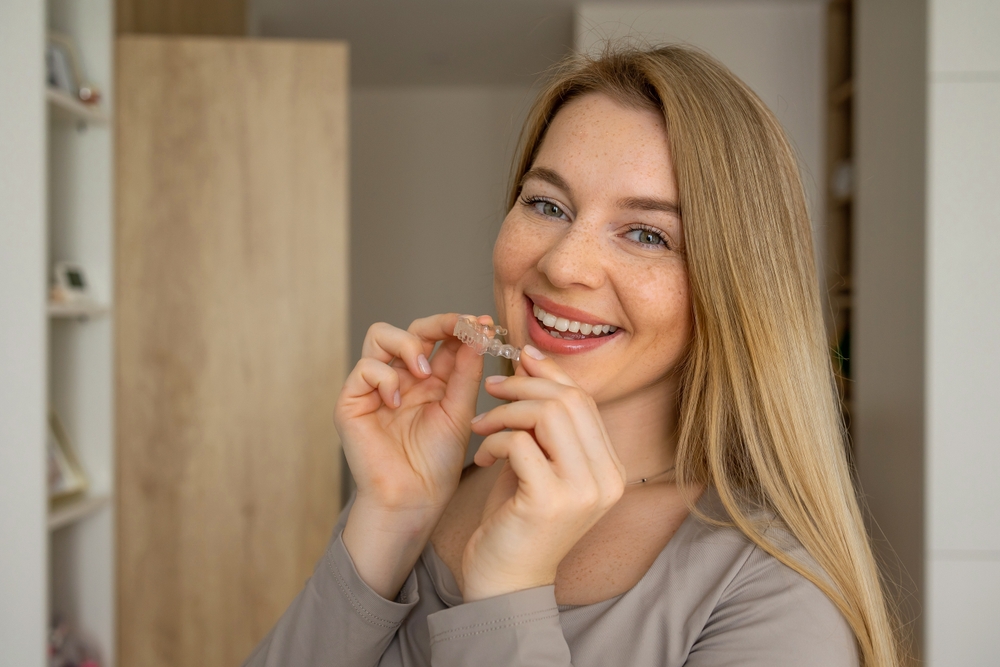
A custom occlusal splint, often called a night guard, is a removable appliance worn over your teeth to reduce grinding pressure and let your jaw muscles relax. It’s typically the first line of treatment because it’s noninvasive, reversible, and can be adjusted as your symptoms change. Most patients wear it at night, though some benefit from daytime use during high-stress periods.

Opposing Perspectives

Splint therapy isn’t universally superior. A peer-reviewed review published in PMC found no clear evidence that occlusal splints outperform physiotherapy for temporomandibular disorders, noting the two approaches were equally effective at long-term follow-up. This means splints work well for many patients, but they aren’t a guaranteed fix for everyone.

Occlusal Equilibration and Adjustment

Occlusal equilibration involves reshaping small areas of tooth enamel so your bite meets evenly across all your teeth. Unlike a removable appliance, this approach is a more permanent correction, done chairside over one or more visits. It’s often considered when a specific high spot or uneven contact is clearly driving symptoms.

Opposing Perspectives

This approach isn’t without debate. A 1996 National Institutes of Health technology assessment panel concluded that no clinical trials had demonstrated occlusal adjustment to be superior to noninvasive therapies for temporomandibular disorders. Because the change is permanent, many practitioners reserve it for cases with clear, identifiable bite discrepancies rather than using it as a first-line treatment.

What to Expect From Your Occlusal Treatment

Treatment unfolds in stages, from your first exam through the follow-ups that keep your results in place. Here’s what that looks like from start to finish.

Meet the Doctor

Dr. Adam Foleck, DMD, leads care at The Foleck Center with a background built on advanced training and a genuine passion for restorative dentistry. He earned his undergraduate degree from the University of North Carolina at Chapel Hill and graduated from Temple University School of Dentistry in 1997, later completing post-graduate training in general dentistry at the University of Mississippi Medical Center, where he focused on full mouth rehabilitation, implant placement, and bone and gum grafting.

Since then, he has earned Diplomate status in the American Board of Oral Implantology, lectured internationally on implant dentistry and CAD/CAM surgical integration, and authored a chapter in Modern Implant Dentistry, a leading textbook in the field. Alongside a team of skilled doctors and hygienists at The Foleck Center, Dr. Foleck brings that same depth of experience to every patient dealing with occlusal issues, blending careful diagnostics with a personal, patient-first approach.

Learn About Your Doctor!

Dr. Adam Foleck, DMD, dental implant dentist serving Virginia Beach, Norfolk, and Hampton, VA

Risks of Untreated Bite Imbalance

A bite imbalance rarely stays a minor issue if it’s left alone. The strain tends to spread, affecting more than just your jaw, and the longer it goes unaddressed, the more it can touch your finances and your health.

Financial Implications

Putting off treatment rarely saves money. Conservative care costing a few hundred to a few thousand dollars can, if delayed, escalate into surgery costing tens of thousands once joint damage becomes severe, and insurance coverage for advanced treatment is often inconsistent.

Health Implications

An untreated bite imbalance doesn’t stay contained to your jaw. Over time, the extra strain can damage cartilage and bone in the joint, wear down or crack teeth, and trigger chronic headaches or neck pain. A peer-reviewed review in Frontiers in Medicine notes that untreated joint degeneration “may result in joint fusion,” a severe and largely irreversible outcome.

Safety Implications

Untreated occlusal issues carry real safety concerns too. Progressive jaw joint damage can eventually restrict how wide you’re able to open your mouth, affecting eating, speaking, and routine dental care.

Misdiagnosis is also common, since symptoms are often mistaken for headaches or ear problems. The National Institute of Dental and Craniofacial Research confirms this directly, noting that “patients with TMDs are often misdiagnosed or receive delayed or ineffective treatment.”

FAQs

How to cure TMJ permanently?

There’s no single permanent cure for TMJ, but consistent, well-targeted treatment can bring lasting relief for most patients. Correcting the underlying bite issue, using a properly fitted night guard, and addressing grinding or clenching habits often reduce symptoms significantly over time. Working closely with your dentist to monitor progress and adjust treatment as needed gives you the best realistic chance at long-term, day-to-day comfort.

What causes TMJ?

TMJ disorders often stem from an uneven bite, a jaw injury, arthritis, or chronic teeth grinding and clenching, especially during sleep. Stress can also play a significant role by increasing muscle tension around the jaw joint and surrounding muscles. In many cases, a combination of these factors contributes to the problem, which is why a full evaluation is important before starting any treatment plan.

Can TMJ cause ear pain?

Yes, TMJ disorders frequently cause ear pain because the jaw joint sits directly next to the ear canal. Inflammation or muscle tension in this area can radiate outward, causing aching, ringing, or a feeling of fullness or pressure in the ear. If you notice ear discomfort showing up alongside jaw pain or clicking, it’s worth having your bite evaluated by a dentist.

How long does TMJ last?

The duration of TMJ symptoms varies widely depending on the underlying cause and how quickly treatment begins. Mild cases triggered by temporary stress or habits may improve within a few weeks, while untreated bite issues can cause symptoms to persist for months or even longer. Getting an accurate diagnosis early tends to shorten how long the discomfort ultimately lasts.

What does TMJ feel like?

TMJ often feels like a dull, persistent ache near the jaw joint, sometimes accompanied by clicking or popping when you open your mouth wide. Many people also experience headaches, ear discomfort, or stiffness that feels worse first thing in the morning. Symptoms can range from mild irritation that’s easy to ignore to sharp pain that makes chewing or talking genuinely uncomfortable.

Stop Living With a Bite That’s Working Against You

Living with jaw pain, clicking, or a bite that never quite feels right takes more from your day than it should. Dr. Adam Foleck and the team at The Foleck Center want to find out exactly what’s causing it and fix it for good. Connect with our team to book your visit, or see real patient results on our Facebook, Instagram, TikTok, and YouTube before you come in.

Request Appointment

Woman smiling confidently outdoors after dental implant treatment in Virginia Beach