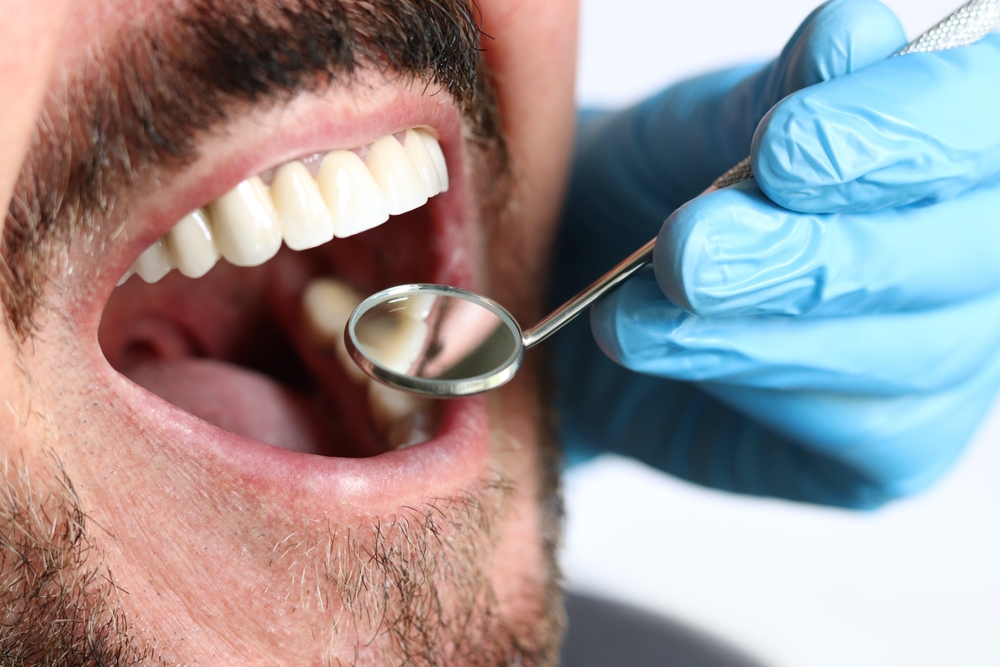
Dental Crowns

A cracked tooth or a deep cavity can throw off your whole bite, and it often leaves you second-guessing every bite of food you take. Dr. Adam Foleck, DMD, and the team at The Foleck Center understand how much a damaged tooth can affect your daily comfort and confidence.

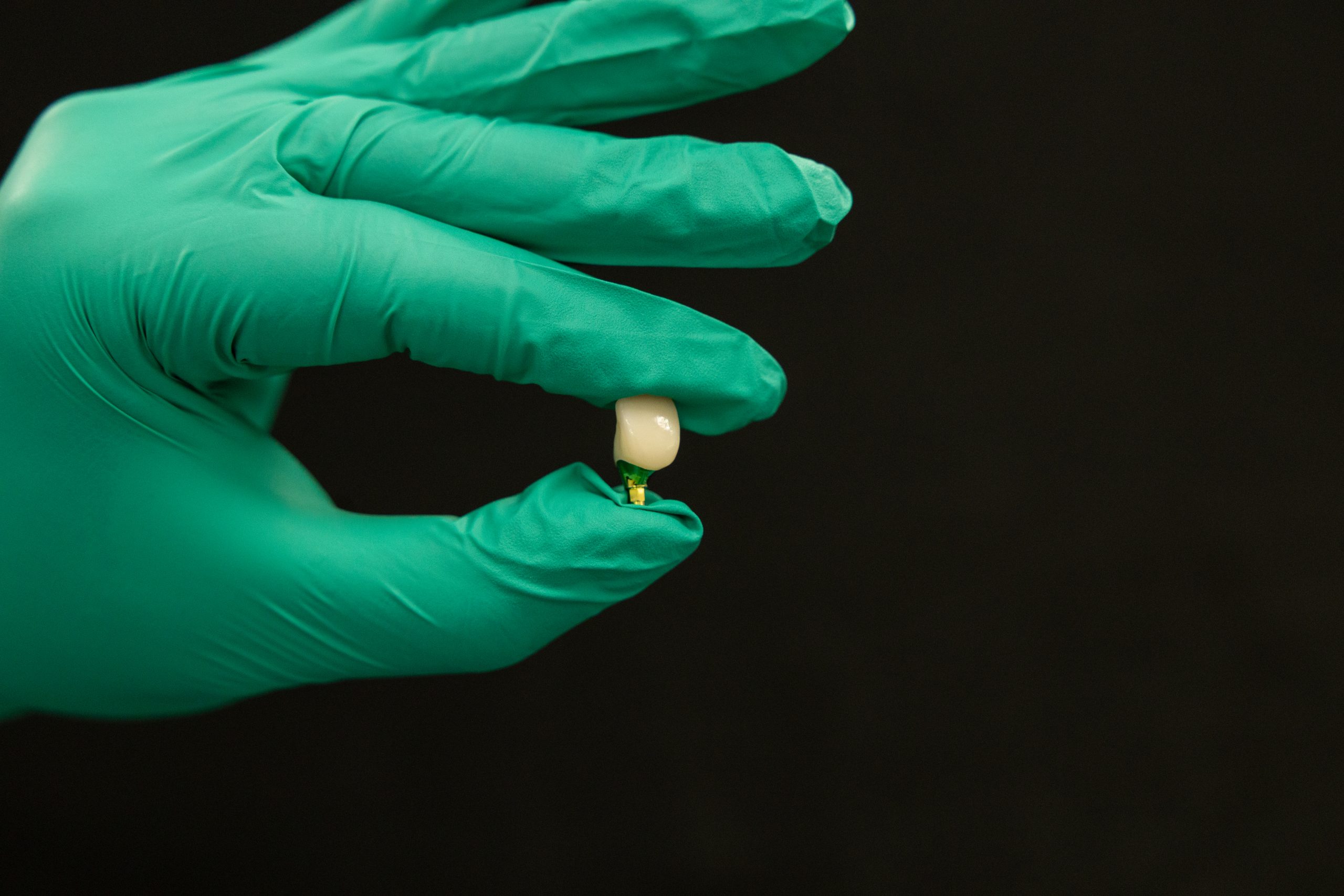
A dental crown is a custom-made cap that fits over a damaged or weakened tooth, restoring its shape, size, and strength. Crowns are commonly used after root canals, on teeth with large fillings, or to protect a tooth that has cracked under pressure, and they can also cover a dental implant or anchor a dental bridge in place. Once bonded, a well-made crown looks and feels like a natural part of your smile, made from a material chosen to balance strength, appearance, and cost for your specific situation.

Struggling with a cracked tooth?

Cracks, recurring sensitivity, and fillings that keep failing aren’t random. They’re usually your tooth signaling that surface-level repairs have reached their limit. Whether a crown is the answer depends on a few specific factors worth walking through.

Is a crown right for you?

Tooth pain, a visible crack, or a filling that keeps breaking down are signs your tooth may need more support than it’s currently getting. These symptoms often mean the underlying structure is compromised, not just the surface.

It’s worth noting that a lack of pain doesn’t mean a crown isn’t necessary. Pain is usually indicative of the need for more extensive treatment, such as a root canal or extraction. The goal of crowning a tooth is to address an existing problem (a crack, decay, or a failing filling) before it progresses to that point. The questions below can help you figure out whether a crown fits your situation.

Benefits of Dental Crowns

Most patients come in focused on saving one tooth. What they often don’t expect is how much a well-placed crown affects the teeth around it. Here’s what the bigger picture looks like.

A Custom Fit, Not a Generic Solution

Every crown starts with an impression or digital scan of your own tooth, not a one-size-fits-all mold. That means the crown fits precisely against your bite and neighboring teeth from the moment it’s placed, without an extended adjustment period. A precise fit also means less uneven wear on the crown and the teeth around it over time.

One Coordinated Treatment Plan

If your tooth needs a root canal, a filling repaired, or gum tissue addressed before your crown is placed, that care is planned as one connected process rather than handled piecemeal. You’ll know upfront which steps come first and why. That coordination keeps your treatment on track and reduces the chances of delays or surprises along the way.

A Proactive Step, Not a Reactive One

Placing a crown while the damage is still limited to one tooth keeps a manageable repair from turning into something more involved down the road. It’s a way of getting ahead of the problem instead of waiting for it to force your hand. Addressing the tooth now protects both your smile and your future treatment options.

Planning Built Around Your Whole Bite

Dr. Foleck’s background in full mouth rehabilitation means your crown is planned with your entire bite in mind, not just the one tooth in front of him. That broader view helps catch related issues early, like a shifting bite or a neighboring tooth under strain. The result is treatment built to hold up alongside the rest of your smile.

Getting Your Dental Crown: What Happens at Each Visit

The two-visit structure isn’t just scheduling convenience. Each appointment has a distinct purpose. Here’s what’s actually being accomplished at each one.

Assessing the Damaged Tooth

Your visit starts with a thorough exam and digital X-rays to see exactly how much of the tooth is compromised. Dr. Foleck reviews your dental history and talks through what led to the damage, whether it’s decay, a crack, or a worn-down filling. This evaluation determines whether a crown is the right fix or if another step needs to happen first.

Choosing the Right Material and Approach

Once a crown is recommended, we build a plan around your tooth’s specific condition and your priorities. We walk through material options that best balance strength, appearance, and cost based on where the tooth sits in your mouth. You’ll leave this appointment knowing exactly which material we’re using and why.

Shaping, Fitting, and Bonding the Crown

The affected tooth is gently reshaped to make room for the crown, and precise impressions or digital scans are taken to guide the lab. A temporary crown protects the tooth while your permanent one is crafted to match your bite and surrounding teeth. Dr. Adam Foleck checks the fit, shade, and alignment closely before bonding the final crown in place.

Protecting Your Crown Long-Term

After your permanent crown is placed, we check your bite and make any small adjustments so nothing feels off. Brushing twice daily and flossing carefully around the crown keeps the surrounding gum tissue healthy. Avoiding excessive pressure on the tooth, like chewing ice or hard candy, helps the crown hold up for years.

Dr. Adam Foleck, DMD, dental implant dentist serving Virginia Beach, Norfolk, and Hampton, VA

Meet Dr. Adam Foleck, DMD

Dr. Adam Foleck earned his undergraduate degree at the University of North Carolina at Chapel Hill before completing his dental training at Temple University School of Dentistry in 1997, followed by an Advanced Education in General Dentistry program at the University of Mississippi Medical Center focused on dental implants, bone and gum grafting, and full mouth rehabilitation.

He went on to complete a year-long implant program at the Medical College of Georgia, earn Diplomate status in the American Board of Oral Implantology, and become an Honored Fellow of the American Academy of Implant Dentistry. Dr. Foleck lectures nationally and internationally on implant dentistry and authored a chapter in Modern Implant Dentistry, a leading textbook in the field. At The Foleck Center, he brings this depth of training to every dental crown he places, with a focus on results that look natural and hold up over time.

Learn About Your Doctor!

How Delaying Crown Treatment Affects Your Health and Wallet

At the point a crown is recommended, the tooth has already told you something. Putting that recommendation on hold doesn’t reset the clock; it just gives the underlying problem more time to run.

Financial Implications

Skipping a recommended crown rarely saves money in the long run. A tooth that could be restored today, often at a cost partially covered by insurance, may eventually require extraction and replacement with an implant or bridge, procedures that typically cost several times more. The longer decay or a crack goes untreated, the more likely the tooth will need a root canal before a crown can even be placed, turning a moderate repair into a far more expensive one.

Industry cost data shows that extraction followed by a dental implant commonly runs between $3,000 and $6,000 per tooth, compared to typical crown costs in the $500 to $2,000 range. That gap illustrates why addressing a damaged tooth early, rather than waiting, tends to be the more affordable path over time. If cost is a concern, our financing and insurance options can help make treatment more manageable.

Health Implications

A cracked or decayed tooth that goes untreated doesn’t stay the same; it tends to get worse. Bacteria can reach the inner pulp of the tooth, leading to infection, and untreated decay has been linked to broader health concerns beyond the mouth. This connection is one more reason a damaged tooth shouldn’t be left unaddressed.

According to the CDC, the effects of untreated tooth decay reach well beyond oral health, with research linking chronic dental infections to broader chronic diseases. The CDC also estimates that dental disease costs the U.S. more than $45 billion in lost productivity each year, underscoring how closely oral health and overall health are connected.

Safety Implications

An untreated tooth infection can occasionally become a genuine medical emergency. Bacteria from an abscess can spread beyond the tooth into the jaw, face, or bloodstream if it isn’t treated in time. Serious complications are uncommon, but they’re significant enough that dental and medical professionals take any sign of a spreading infection seriously.

The Mayo Clinic explains that if a tooth abscess doesn’t drain on its own, the infection may spread to the jaw and surrounding areas of the head and neck, and in rare cases can lead to sepsis, a life-threatening condition. This risk increases for people with weakened immune systems, which is part of why prompt treatment is recommended.

FAQs

How long do dental crowns last?

Most dental crowns last between ten and fifteen years with proper care, and many last even longer. Their lifespan depends on the material used, your oral hygiene habits, and how much pressure the tooth handles daily. Regular checkups help catch wear early, allowing for timely repairs or replacement when needed.

How much does a dental crown cost?

The cost of a dental crown varies based on the material chosen, the tooth’s location, and any additional treatment needed beforehand. Porcelain and zirconia crowns typically cost more than metal options due to their appearance and durability. Our team provides a clear cost estimate during your consultation, and we’re happy to discuss payment options.

Can mri be done with dental crowns?

Yes, most dental crowns are safe for MRI scans since they’re typically made from materials that don’t interfere with the imaging process. It’s still a good idea to inform your MRI technician about any dental work beforehand. This helps ensure accurate imaging and addresses any rare exceptions based on crown material.

What are dental crowns made of?

Dental crowns can be made from porcelain, zirconia, metal alloys, or a combination of porcelain fused to metal. Each material offers different benefits in terms of strength, appearance, and cost. Dr. Foleck will recommend the best material for your tooth’s location and your aesthetic preferences.

How long does a dental crown procedure take?

The initial appointment to prepare the tooth and take impressions usually takes about sixty to ninety minutes. Once the lab has completed your permanent crown, a second appointment is scheduled to place and adjust it for a comfortable fit.

Ready to fix that cracked or aching tooth?

A cracked tooth, a nagging ache, or a filling that won’t hold up doesn’t have to stay on your to-do list. Dr. Adam Foleck and the team at The Foleck Center can determine whether a crown is the right fix and walk you through every step, from your first exam to your final fitting. Reach out online to schedule your consultation, and follow The Foleck Center on Facebook, Instagram, TikTok, and YouTube channel for more smile tips and updates from our practice.

Request Appointment