Technology

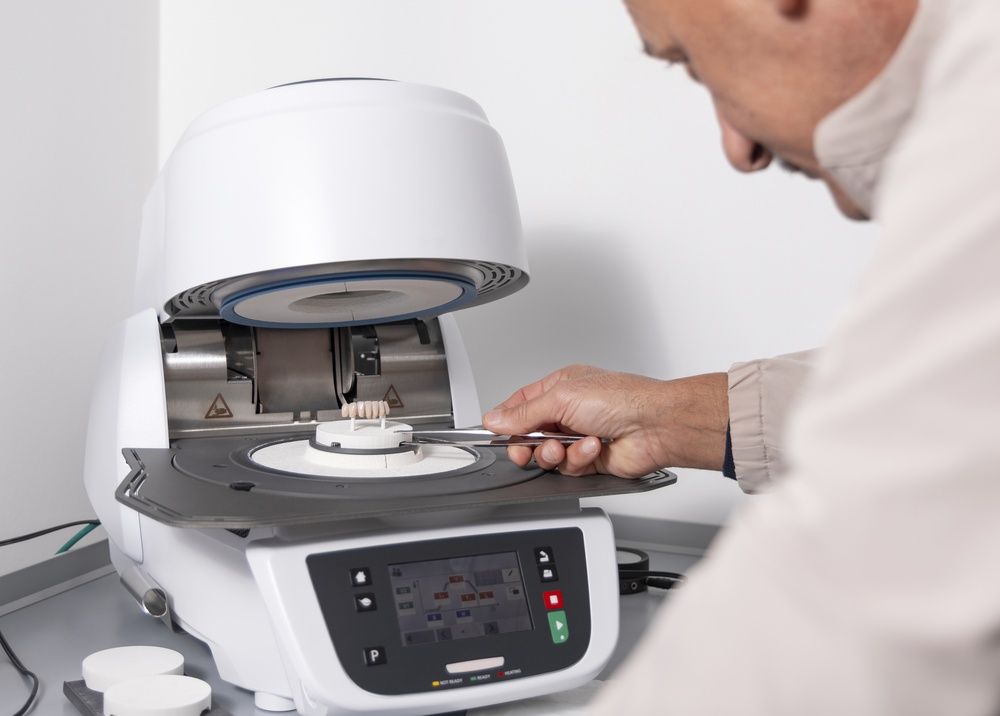
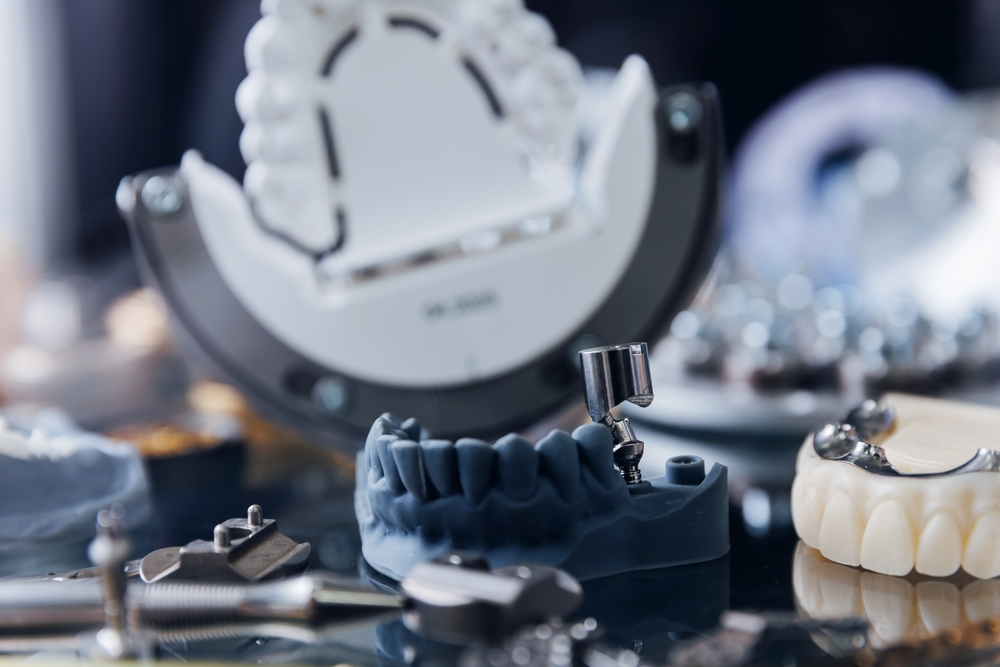
Dental technology covers the instruments, imaging systems, and software that help your dentist diagnose problems sooner and treat them with more precision, replacing guesswork with a clear picture of what’s happening beneath the surface, whether that’s a hairline fracture, early decay, or bone loss you’d never notice on your own. Newer tools tend to be gentler too: digital scanners skip the messy impression trays, and laser treatments often reduce or remove the need for anesthesia altogether.

For you, this means shorter appointments, more accurate treatment plans, and fewer surprises down the road. It also means better communication, since many of these systems let you view your own X-rays and scans right alongside your dentist, so you always understand why a particular treatment makes sense for your smile.

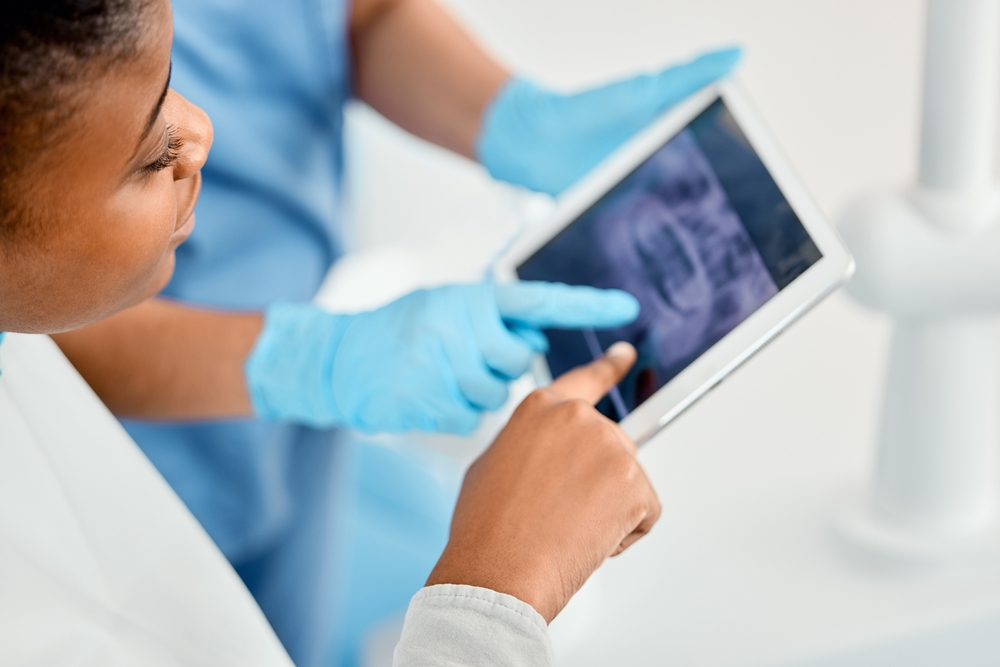
Wondering if your dentist is seeing the full picture?

Technology like AI-assisted imaging and CBCT scans can catch details a visual exam alone might miss. Here’s how to know if it applies to your situation, what it looks like in practice, and when it’s worth bringing up.

A Closer Look at Our Diagnostic and Treatment Tools

We’ve invested in a range of diagnostic and treatment tools designed to make care more accurate, more comfortable, and less stressful. Here’s a closer look at the technology you’ll encounter during your visits.

VELscope

VELscope uses a special light to examine the soft tissue inside your mouth for changes that aren’t visible to the naked eye. This quick, painless screening helps your dentist spot early warning signs of oral cancer and other tissue abnormalities long before symptoms show up. Catching these changes early gives you more treatment options and significantly better long-term outcomes for your health, and it takes only a couple of extra minutes during your regular checkup.

BIOLASE Waterlase

BIOLASE Waterlase combines focused light energy with a fine water spray to treat both soft and hard tissue with remarkable precision. Because it skips the heat, pressure, and vibration of traditional drills, many procedures require little to no anesthesia at all. Patients heal faster, feel less discomfort, and often leave their appointment more relaxed than they expected, even after procedures that once caused real anxiety.

CBCT Scans

Cone beam computed tomography, or CBCT, captures a detailed 3D image of your teeth, jaw, and surrounding bone in a single scan. This gives your dentist a complete view for planning implants, evaluating root canals, or assessing bone density before treatment begins. The scan takes just seconds and uses a low dose of radiation while delivering far more detail than a standard X-ray, which helps avoid unnecessary guesswork later on.

Intraoral Cameras

An intraoral camera is a small, pen-sized tool that captures close-up, high-resolution images of your teeth and gums in real time. It lets you see exactly what your dentist sees, from a cracked filling to early gum inflammation, right on the screen beside you. This visual clarity builds trust and helps you make informed decisions about your care.

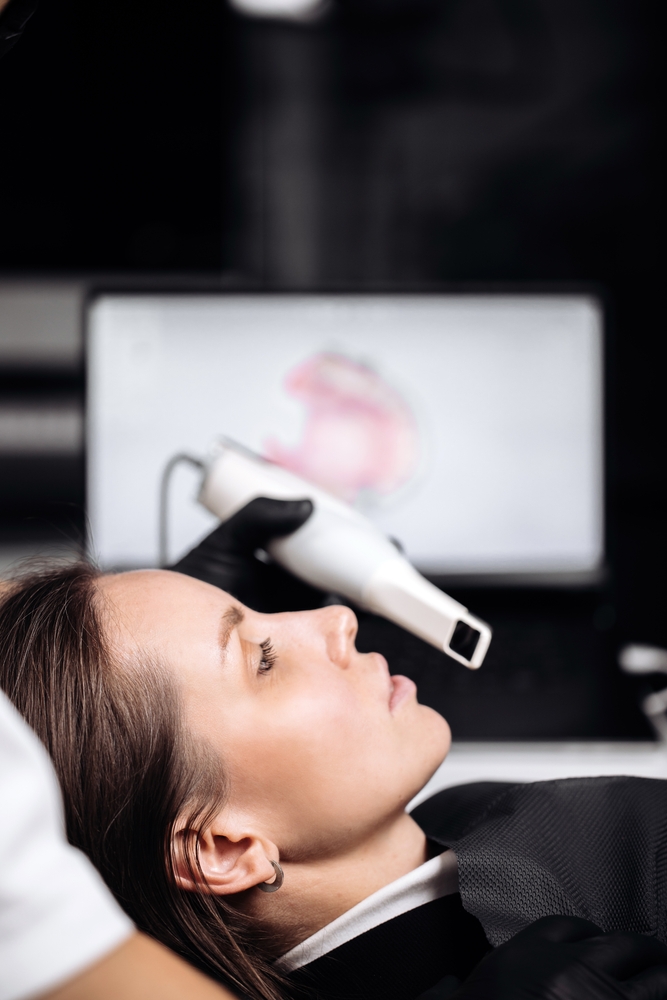
Intraoral Scanners

Intraoral scanners create a precise digital map of your mouth without the messy putty trays used in traditional impressions. The scan is faster, more comfortable, and often more accurate, which matters when it comes to crowns, aligners, or other custom dental work. You spend less time in the chair and get a better-fitting result.

AI-Assisted Radiographs

Our AI-assisted radiograph technology, powered by Pearl AI, analyzes your digital X-rays and flags subtle signs of decay, bone loss, or infection that can be easy to miss. It acts as a second set of eyes alongside your dentist’s trained judgment, not a replacement for it. This added layer of review supports earlier detection and more transparent, confident treatment planning.

What Your Visit Looks Like With Us

No two visits are exactly alike, since your care is built around what your specific smile needs. Here’s how that process unfolds from your first conversation through your follow-up.

We Start With Your Concerns, Not a Checklist

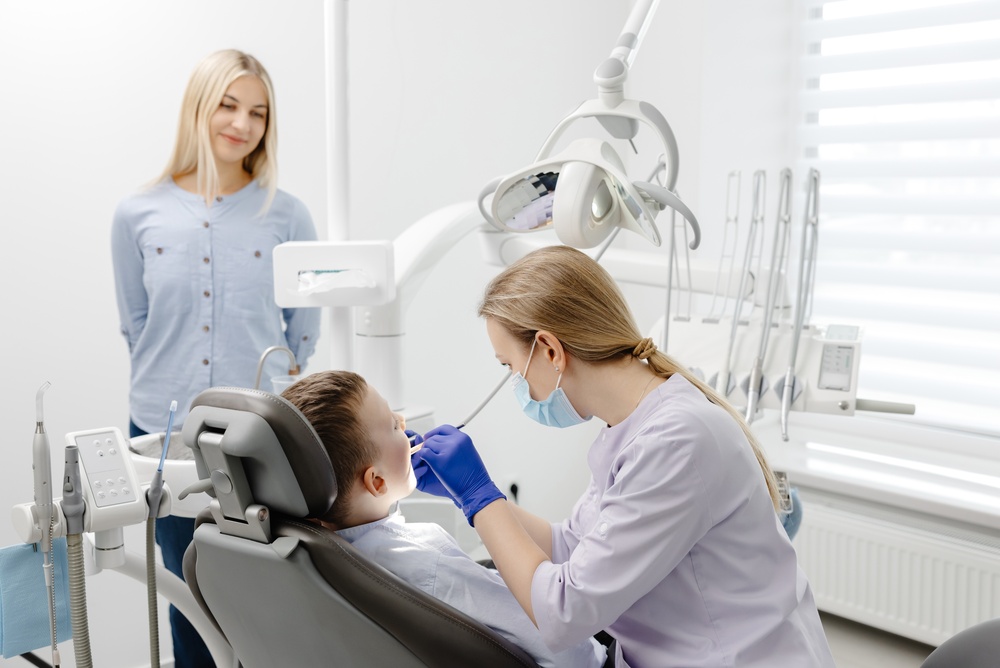
Every visit starts with a conversation about your dental history, concerns, and goals for your smile. Dr. Adam Foleck or a member of the team will review your symptoms and determine which diagnostic tools will give the clearest picture of your oral health. This first step sets the foundation for everything that follows.

Your Scans Become Your Treatment Plan

Once we’ve gathered scans and images, we build a treatment plan tailored specifically to what we find. Rather than applying a one-size-fits-all approach, we match the right technology and technique to your specific situation. You’ll review this plan together with your dentist so every recommendation makes sense before treatment begins.

The Right Instrument for Your Procedure

With your plan in place, we move forward using the tools best suited to your procedure, whether that’s a laser, a digital scanner, or precision imaging. Dr. Foleck oversees each step to ensure accuracy and comfort throughout. Many patients are surprised by how quick and manageable the process feels compared to traditional methods.

What to Do Once You Get Home

After your treatment, we walk you through simple steps to protect your results and support healing. This might include guidance on diet, oral hygiene, or how to manage any mild sensitivity. Following these tips helps your treatment last longer and keeps future visits easier.

Confirming Everything Healed the Way It Should

We schedule a follow-up to confirm your treatment is healing as expected and to address any lingering questions. Dr. Adam Foleck and the team use this visit to catch anything that might need extra attention early. Consistent follow-up is part of how we protect your long-term oral health.

Dr. Adam Foleck, DMD, dental implant dentist serving Virginia Beach, Norfolk, and Hampton, VA

Meet the Doctor

Dr. Adam Foleck, DMD leads The Foleck Center with more than two decades of hands-on experience in restorative and implant dentistry. He earned his undergraduate degree from the University of North Carolina at Chapel Hill and his dental degree from Temple University School of Dentistry in 1997, followed by advanced training in implant placement, bone and gum grafting, and full mouth rehabilitation at the University of Mississippi Medical Center.

He holds Diplomate status in the American Board of Oral Implantology, a distinction earned by only thirteen dentists in North America, and Honored Fellow status in the American Academy of Implant Dentistry. Dr. Foleck lectures internationally on implant dentistry and authored a chapter in Modern Implant Dentistry, the field’s leading textbook. That same depth of training shapes how technology gets used at The Foleck Center, where every scan and image supports a plan built on real expertise.

Learn About Your Doctor!

What It Really Costs to Wait

Delaying care can feel like the lower-risk option at the moment, but the numbers tell a different story. Here’s a closer look at what that delay tends to cost, beyond just dollars.

Financial Implications

Putting off updated diagnostics and treatment rarely saves money in the long run. Small, early-stage problems that could be addressed with a simple filling or a quick laser procedure often turn into root canals, extractions, or restorative work that costs significantly more once decay or infection has spread. If cost is part of what’s holding you back, it’s worth looking at our financing and insurance options before delaying care further.

According to the National Institute of Dental and Craniofacial Research, untreated oral disease was responsible for an estimated $45.9 billion in lost productivity in the United States in a single year, ranking the country highest among 195 nations measured.

Health Implications

Beyond cost, untreated dental issues tend to compound. A small cavity left unchecked can progress into a deeper infection, and gum disease that goes unaddressed can eventually contribute to tooth loss and other health complications.

The CDC reports that roughly one in five adults ages 20 to 64 currently have at least one untreated cavity, and that these conditions can lead to pain, infection, and eventual tooth loss if left unaddressed.

Safety Implications

Some conditions carry more than financial or comfort consequences. Oral cancer, for example, is far more treatable when caught early, which is part of why regular soft-tissue screening matters even when nothing seems wrong.

Data from the National Cancer Institute’s SEER program, cited by the National Institute of Dental and Craniofacial Research, shows that diagnosing oral cancer at an early, localized stage considerably increases five-year survival rates compared to diagnoses made after the disease has advanced.

FAQs

What does dental technology do?

Dental technology helps your dentist see, diagnose, and treat oral health issues with far greater accuracy than tools used in the past. Imaging systems reveal decay, bone loss, or infection long before symptoms appear, while tools like lasers and digital scanners make treatment faster and more comfortable. Together, these tools support earlier intervention and better long-term outcomes for your smile.

How has technology changed dental hygiene?

Modern tools have made preventive care more precise and far less invasive than older methods. Digital scanners have replaced messy impression trays, and AI-assisted imaging can catch early decay or gum issues before they progress. These advances mean routine cleanings and checkups now focus more on prevention and less on reacting to problems that have already developed.

What does a CBCT scan show?

A CBCT scan produces a detailed 3D image of your teeth, jawbone, and surrounding structures in one pass. It reveals things a standard X-ray can’t, including precise bone density, nerve positioning, and the exact anatomy needed for planning implants or root canal treatment. This level of detail helps your dentist plan procedures with greater accuracy and confidence, reducing the chance of surprises once treatment is underway.

How does VELscope work?

VELscope shines a special light onto the soft tissue in your mouth, causing healthy and abnormal cells to appear differently under that light. Your dentist uses this contrast to spot early tissue changes that aren’t visible during a standard visual exam. It’s a quick, painless screening that adds an extra layer of protection against oral cancer and other tissue concerns.

What is an intraoral camera?

An intraoral camera is a small, wand-like device that captures magnified, high-resolution images inside your mouth. It lets you see the same view your dentist sees, whether that’s a cracked tooth, early decay, or gum inflammation, right on a screen beside you. This visual transparency helps you understand your treatment recommendations and feel more confident in your care.

Ready for a more comfortable visit? Schedule Today

Modern dental technology means smaller problems get caught before they become bigger ones, and treatment feels more comfortable from start to finish. Dr. Adam Foleck and the team at The Foleck Center are ready to show you what precise, transparent dental care looks like. Follow us on Facebook, Instagram, TikTok, and check out our YouTube channel to see our technology in action, then book your appointment online.

Request Appointment